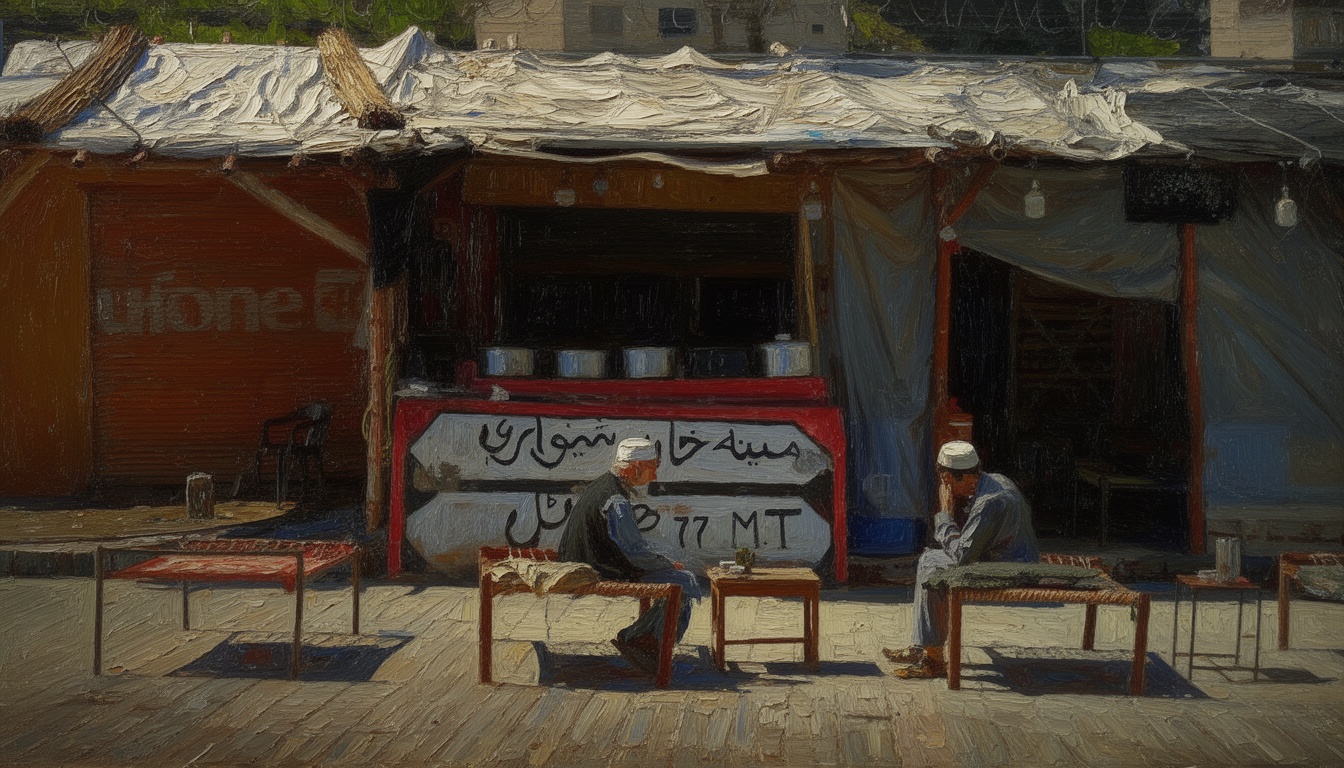
Afghanistan-Pakistan border stays shut as tensions persist
Strategic stalemate along the Afghanistan-Pakistan frontier persists after six months of total border closure. Diplomatic mediation has failed to unlock the impasse, amplifying regional instability and humanitarian pressure. The closure compounds security concerns, disrupts trade, and deepens displacements across border communities.
Theborder between Afghanistan and Pakistan remains closed after six months of uninterrupted shutdown, a stark symbol of the Kabul-Islamabad rift. Despite multiple mediation efforts, negotiators have failed to produce a lasting framework for reopening the crossing points. The closure has become a hardened feature of the regional crisis, constraining movement for civilians and pressing border economies into a fragile standstill.
Background tensions intensified as diplomatic channels frayed in the wake of renewed clashes and distrust between Kabul and Islamabad. Military patrols and security checkpoints line the frontier, creating a high-friction environment for cross-border commerce and humanitarian aid. External actors have urged restraint, but practical steps toward de-escalation remain elusive, locking in a status quo that fuels mutual suspicion.
Strategically, the closure acts as a pressure valve and a warning signal in a volatile corridor critical to both states’ stability and broader regional power dynamics. Islamabad seeks leverage over security concessions and border governance, while Kabul seeks assurances on militant safe havens and cross-border operations. The stalemate also complicates counterterrorism coordination, with limited intelligence exchange and joint planning capability across the frontier.
Operationally, the border controls affect formal ports of entry, informal crossing routes, and supply lines for both countries. Officials have reported diminished trade volumes, strained transport logistics, and rising prices for essential goods in adjacent towns. Humanitarian groups warn that the unresolved blockage threatens food security and health access for communities already strained by conflict and displacement.
Looking ahead, the current trajectory suggests a prolonged tacit stand-off unless external mediation yields new negotiation parameters. A breakthrough is unlikely without credible security assurances, trade facilitation, and a tested framework for cross-border movement. In the meantime, the border remains a volatile liability for both Kabul and Islamabad, with spillover risks to regional stability and international aid efforts.