US Expands Missile Deployments in Philippines, Signaling Strategic Shift in Indo-Pacific
The United States is enhancing missile deployments in the Philippines as part of a broader strategy to reinforce regional alliances and counteract rising Chinese influence. This strategic move following the Philippines-US Bilateral Strategic Dialogue emphasizes Washington's commitment to the First Island Chain and regional security dynamics.
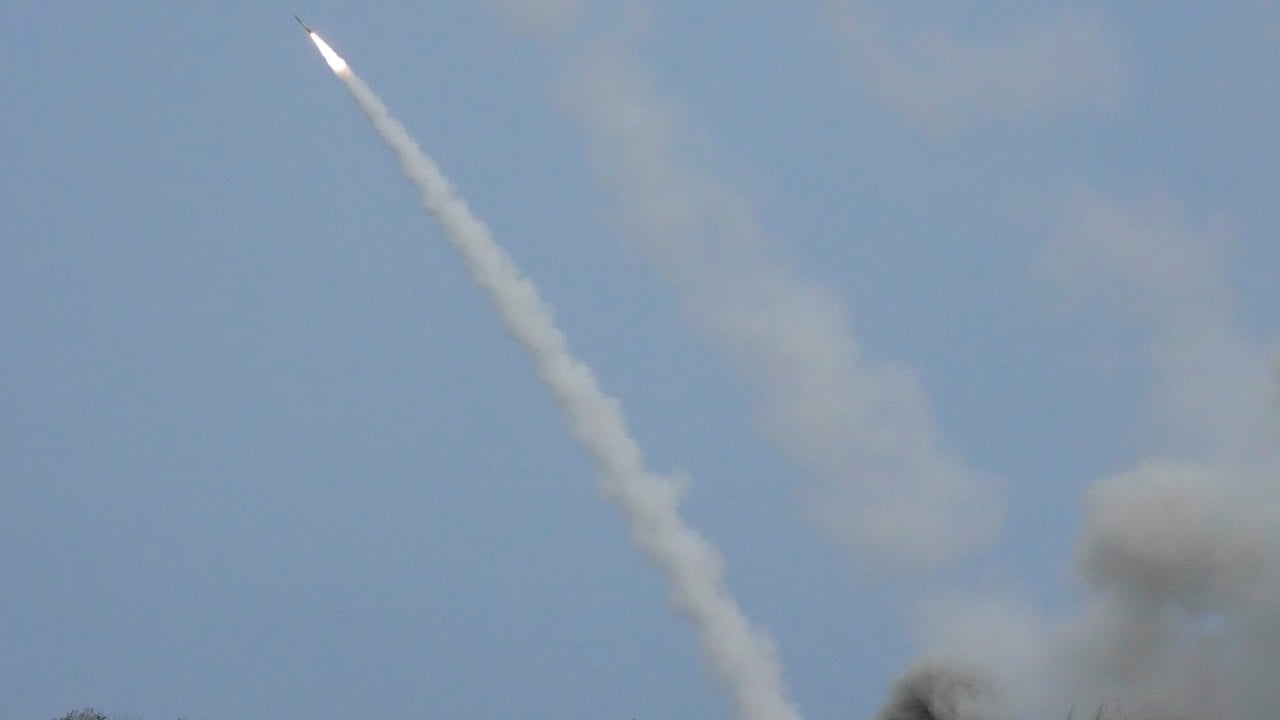
The United States recently announced an expansion of its missile deployments and unmanned platforms in the Philippines, a development highlighted during the 12th Philippines-US Bilateral Strategic Dialogue. This initiative aims to enhance the defensive capabilities of the Philippines, focusing on advanced missile systems that can be positioned strategically across the region to deter aggression, particularly from China. The specifics of the hardware involved remain less significant than the geographical implications of these deployments, which underline a tactical realignment in U.S. military presence in Southeast Asia.
Strategically, this bolstered military posture serves as a critical counterbalance to China's assertive maritime claims in the South China Sea and its ongoing military advancements. The Philippines is key to maintaining access and freedom of navigation within the region, which is vital for U.S. interests and regional allies. This initiative signals Washington's commitment to ensuring stability and security along the First Island Chain, which is pivotal in any potential conflict scenario involving major powers in the Pacific.
The key players in this development are the United States and the Philippines; both nations have been strengthening their military cooperation in response to heightened tensions in the region. The U.S. seeks to reassure its allies and deter potential adversaries, while the Philippines aims to bolster its defense capabilities against external threats, especially from China. Both governments recognize the necessity of a strong defense arrangement, particularly given ongoing territorial disputes in the South China Sea.
Regionally, this move could escalate tensions as China may view the enhanced U.S. military presence as a direct threat to its national interests and territorial claims. The deployment not only impacts U.S.-China relations but also influences the strategic calculus of other Southeast Asian nations, which might feel pressured to reassess their own defense ties amidst a shifting power dynamic. Additionally, this could incite military enhancements from China, leading to an arms race in the region.
Historically, the Philippines has hosted U.S. military assets and has played a critical role in U.S. security strategies since the Cold War. The continued reliance on Philippine bases underlines the Philippines' importance as a strategic ally in Southeast Asia, particularly as China extends its influence. This development recalls past military collaborations and highlights the importance of alliances in managing regional security architectures.
Analyst assessment indicates that this move represents a long-term shift in U.S. strategy towards a more globally distributed military presence, enabling rapid response to emerging threats. Looking forward, this expansion is likely to provoke countermeasures from China, resulting in a more militarized and competitive environment in the Indo-Pacific, making clear the need for ongoing diplomatic efforts to mitigate potential conflicts.