Activists Urge COP31 to Address Military Emissions Impact
Climate activists highlight the substantial carbon footprint of military operations and fossil fuel reliance in armed conflicts such as the Iran crisis. They call for COP31 to integrate defense-related carbon emissions into global climate strategies to support energy transition goals.
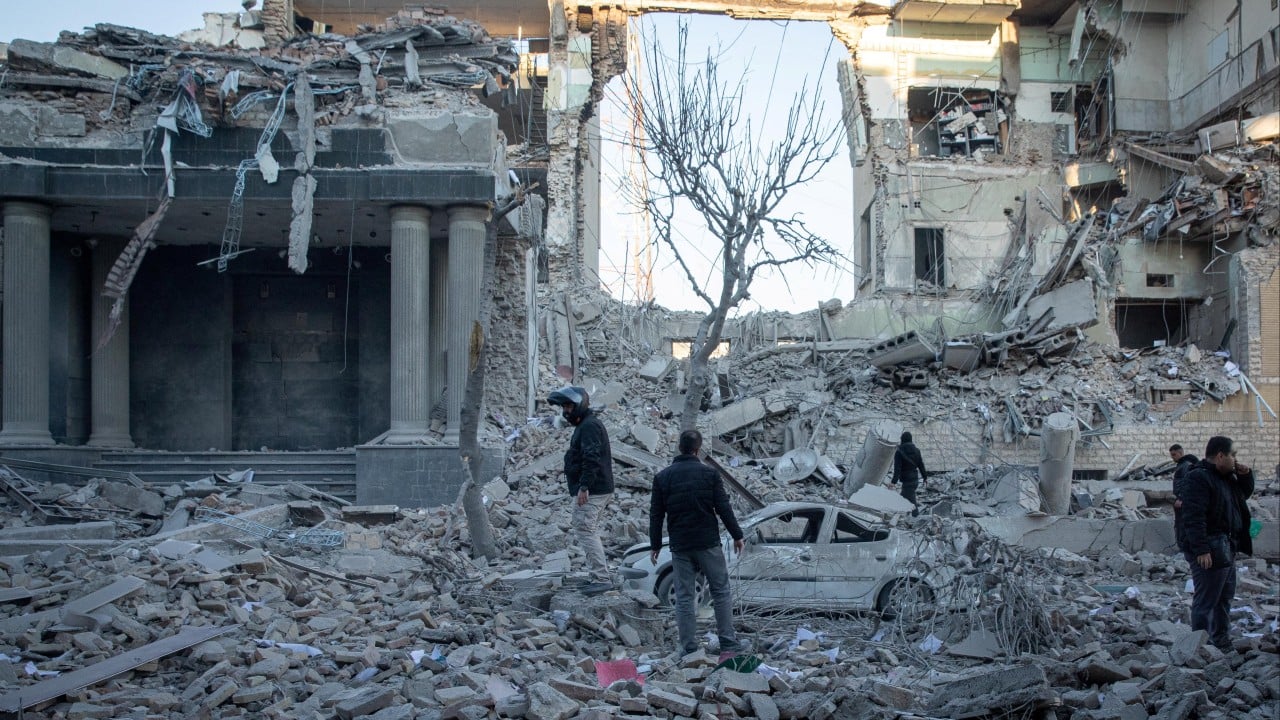
Recent activist gatherings, including the Climate Action Network Southeast Asia and Oxfam, have spotlighted the critical but often overlooked environmental impact of military activities on global climate change. The ongoing conflict in Iran exemplifies how war intensifies fossil fuel demand, thereby increasing carbon emissions and hampering efforts to transition to sustainable energy.
Military operations contribute significantly to global greenhouse gas emissions through fuel consumption, munitions production, and logistical support. Despite this, defense-related emissions remain largely absent from international climate policy frameworks. Advocates argue that COP31 must explicitly address this sector to align defense spending and activities with net-zero targets.
The Southeast Asia-South Asia Preparatory Meeting in Kuala Lumpur served as a platform for stakeholders to strategize inclusion of military emissions in forthcoming climate negotiations. Emphasizing comprehensive approaches, they call for transparency in defense-related carbon accounting and integration of sustainable technologies in military infrastructure and operations.
Manufacturers and defense suppliers face increasing pressure to innovate low-emission solutions, signaling a potential shift towards greener military technologies. Strategic incorporation of such measures could significantly mitigate the climate impact of defense sectors worldwide, enhancing global security and environmental sustainability.
In conclusion, as climate challenges intensify alongside geopolitical conflicts, addressing military carbon emissions at COP31 emerges as a pivotal step toward a holistic global energy transition.