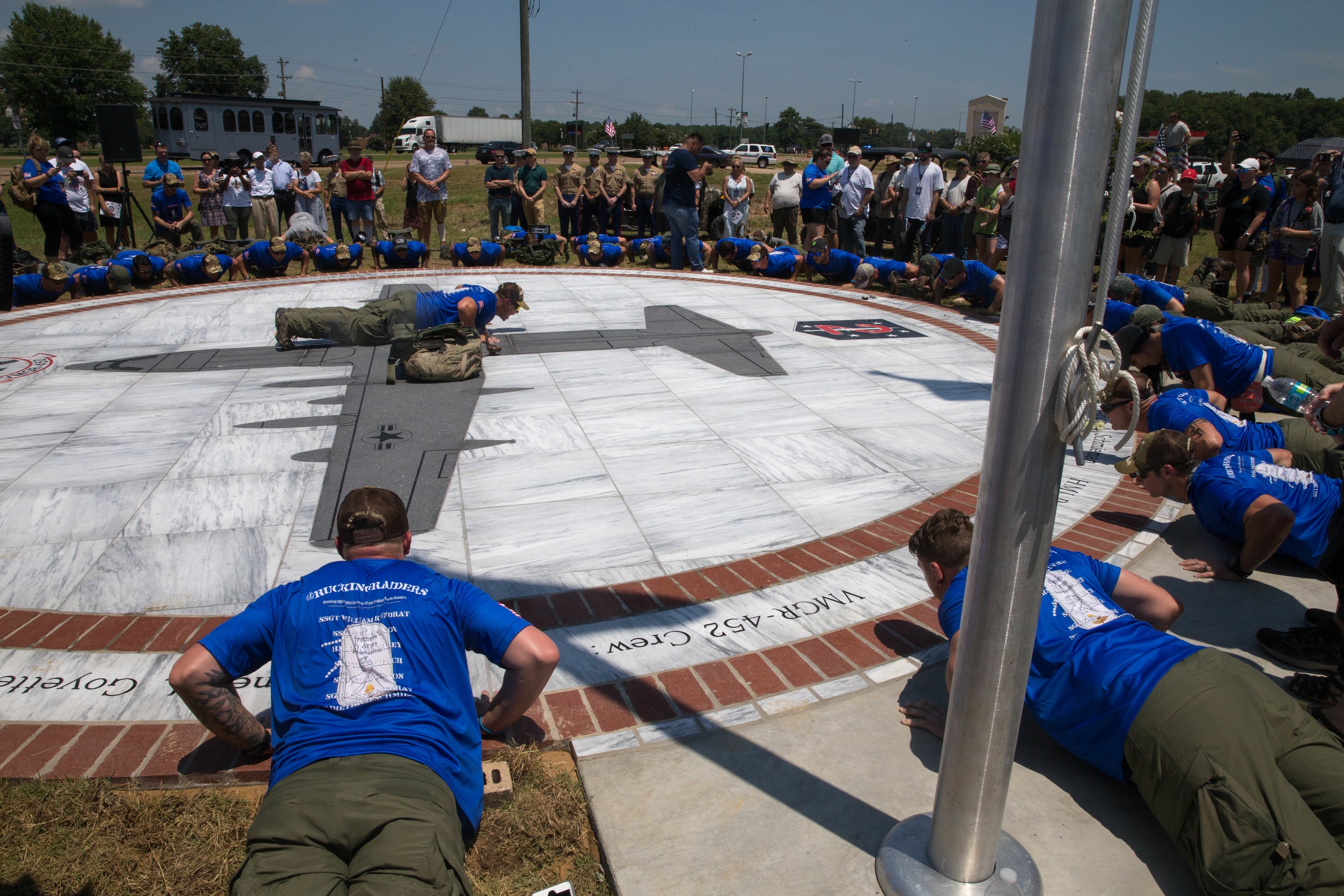
Acquittal in Fatal 2017 Marine Plane Crash Raises Safety Concerns
The acquittal of a key figure in the criminal probe into the 2017 Marine plane crash highlights critical failures in military oversight and accountability. This decision could undermine future safety protocols and signal a lack of accountability within the military-industrial complex.
A former Air Force engineer has been acquitted of charges stemming from the investigation into the fatal 2017 Marine plane crash, which claimed the lives of 16 service members. The engineer faced accusations of making false statements and obstructing justice, allegations that have now been dismissed by the court, raising questions about the integrity of the military investigative process.
The crash involved a KC-130T Hercules aircraft, which went down shortly after takeoff from Marine Corps Air Station Cherry Point in North Carolina. Investigators had sought to determine whether mechanical failure, pilot error, or maintenance negligence played a role in the tragedy. However, the engineer’s acquittal casts a shadow on the thoroughness of the inquiry, suggesting potential gaps in oversight and accountability mechanisms in the U.S. military.
This ruling is significant as it exposes vulnerabilities in military safety protocols and investigative processes. If airworthiness concerns and maintenance issues go unpunished, it sets a dangerous precedent that could compromise future air operations and jeopardize the safety of personnel. The acquittal may embolden other military personnel under investigation, undermining the legitimacy of future inquiries into crashes.
Key actors in this case include the military justice system, which has struggled with transparency and accountability for accidents involving military aircraft. The Air Force and Marine Corps may now face increased scrutiny regarding their internal investigations and the adequacy of their safety measures. The acquittal could reflect a culture of complacency within military ranks regarding maintenance and operational oversight, prompting further investigation into similar incidents.
Operationally, the KC-130T Hercules is a vital aircraft for aerial refueling and transport missions, with a history of being involved in critical operations. The acquittal of a key figure associated with its maintenance raises serious questions about the aircraft's operational readiness. The lack of accountability could allow safety deficiencies to persist, endangering both aircrew and missions related to national security.
The consequences of this decision could lead to decreased morale among military personnel who prioritize safety and accountability. It may also trigger heightened public scrutiny regarding military spending on safety training and equipment upgrades. The potential for future incidents might increase if lessons aren’t learned from past failures, leading to a cycle of negligence.
Similar historical precedents have shown that a lack of accountability in military aviation can lead to catastrophic accidents. Previous incidents involving the military's handling of maintenance issues have sparked reforms, but this acquittal risks reversing those hard-won gains in safety and oversight.
Moving forward, watchers should monitor how the military responds to this acquittal. Indicators such as changes in safety regulations, transparency in future investigations, or public statements from military leaders will signal whether this case represents a reckoning or a continuation of systemic failures. The military must prioritize accountability to safeguard the lives of its personnel and restore public trust in its operational integrity.