A peek into munitions spending, and a chat with Sweden’s DefMin
Global defense budgeting is shifting toward missiles as Sweden outlines priorities for its armed forces. The discussion with Sweden’s defense minister highlights strategic emphasis on deterrence, interoperability, and industrial resilience. This episode frames how defense spending trajectories may influence Nordic security and broader European defense postures.
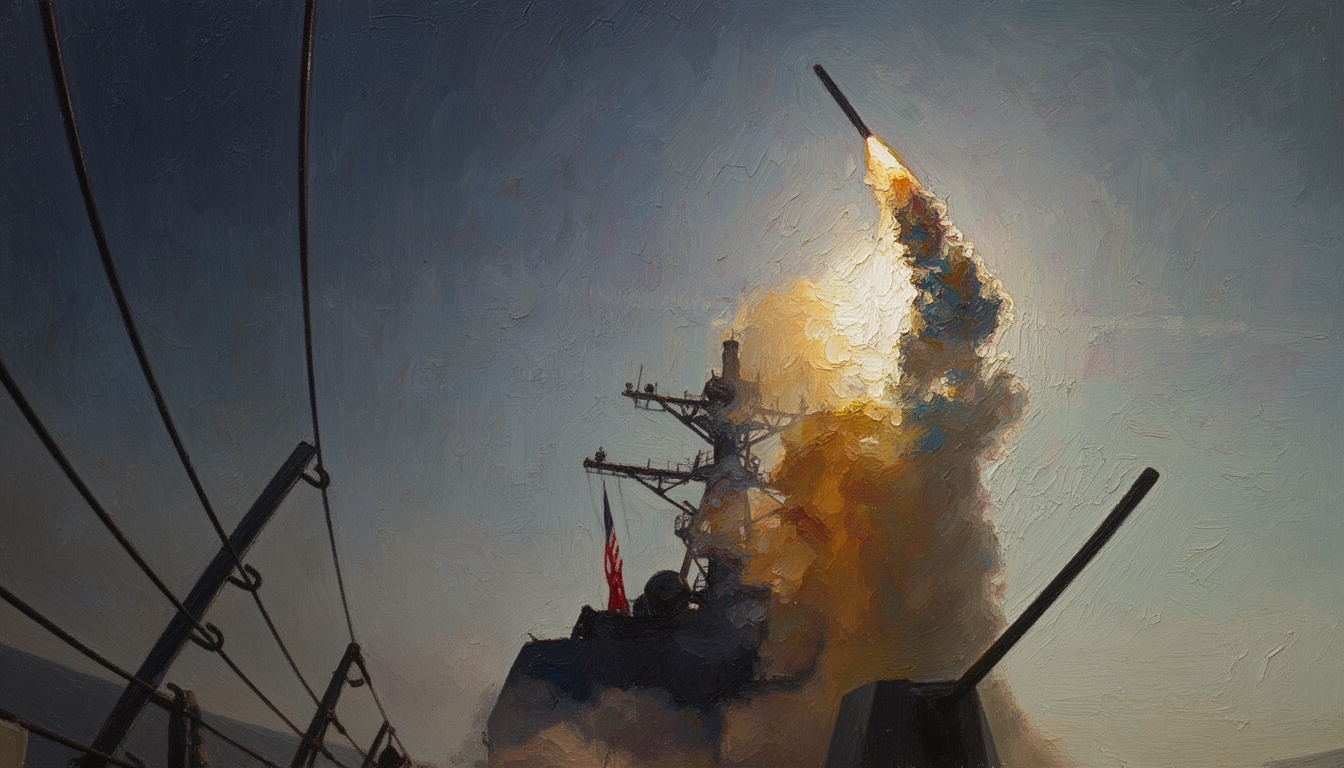
A sharp surge in munitions spending dominates this week’s breakdown, with billions earmarked for missiles and related systems. The segment places Sweden in the spotlight as Stockholm signals a recalibration of defense priorities. The conversation with Sweden’s defense minister reveals a sustained push to modernize stockpiles, accelerate procurement, and strengthen industrial capacity to sustain deterrence over the long term.
Context matters. Sweden has walked a nuanced line on defense modernization, balancing NATO-compatible interoperability with domestic industrial growth. The current budget orientation appears to seek both rapid capability boosts and longer-term resilience in supply chains. Analysts view this as a signal that Stockholm intends to harden deterrence in a region where security dynamics remain fluid and where allied burden-sharing is increasingly scrutinized.
Strategic significance centers on deterrence credibility and alliance cohesion. Missile pipelines, precision strike potential, and air-defense modernization feed into Sweden’s broader role as a regional security anchor. The spending trajectory may influence neighboring states' defense postures, particularly in the Baltic and Nordic theatres, where interoperability with allied forces is a constant objective. Observers will watch for how this budget aligns with longer-range force structure and strategic mobility needs.
Operational detail remains high-level in this episode but points to a pattern: larger budgets for munitions, steady modernization of launchers and interceptors, and priority given to stockpile replenishment. The minister frames the push as essential to sustaining readiness, reducing existential risk from supply shocks, and enabling rapid escalation response if tensions rise. The forward-looking assessment suggests Sweden will intensify industrial partnerships and accelerate procurement cycles to keep pace with evolving threats.
Looking ahead, this budgetary emphasis is likely to tighten the security calculus in Northern Europe. A missile-centric modernization path raises questions about alliance defense planning, regional containment plans, and the speed of interoperability improvements. As Stockholm articulates its priorities, Nordic and European security environments will adjust to a more assertive procurement tempo and a sharper focus on deterrence-based strategies.