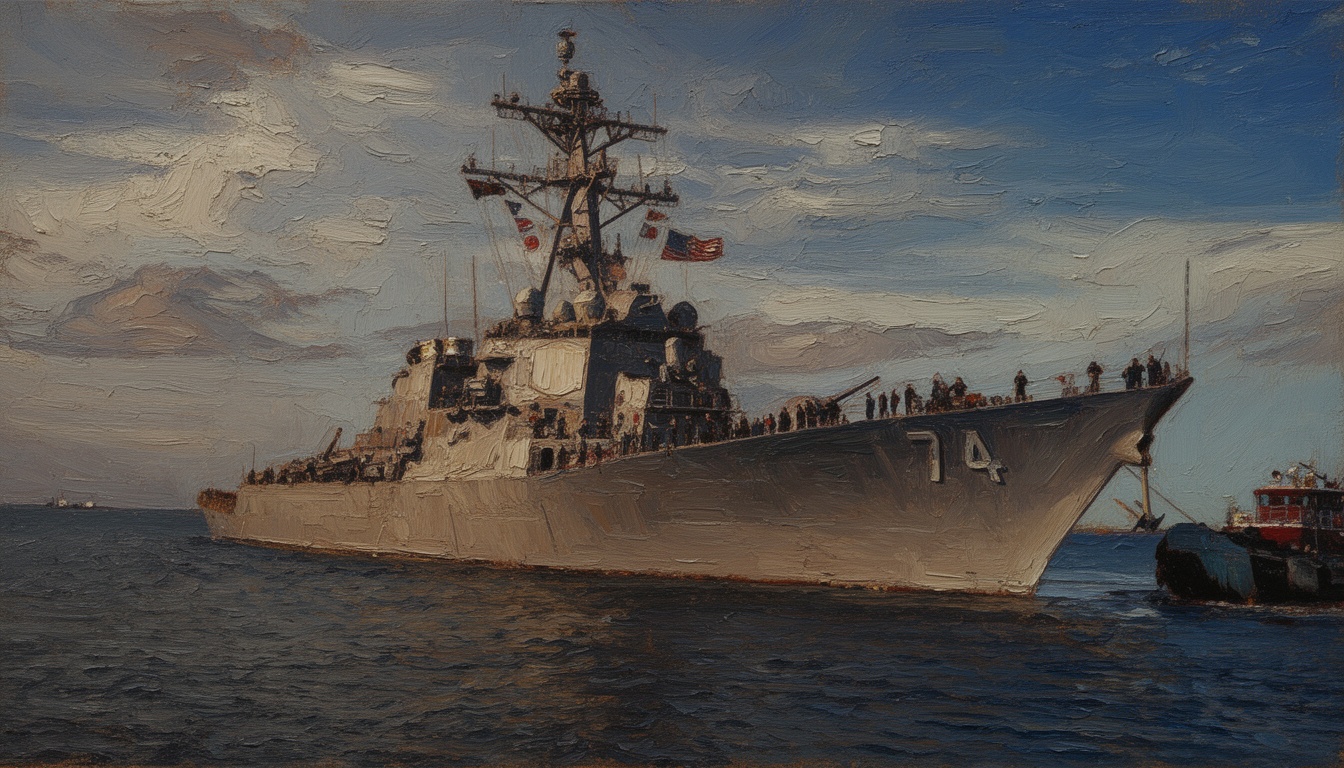
A new F/A-XX timeline and many, many MUSVs at Sea Air Space Day 1
Day 1 of Sea Air Space showcases a refreshed F/A-XX timeline and a surge of unmanned surface vehicles. The displays underscore U.S. Navy emphasis on next‑generation fighters and lethal, autonomous surface craft. The conference signals intensified industrial momentum around future combat systems and joint domain competition.
Day 1 of Sea Air Space laid out a sharper trajectory for the U.S. Navy's future air and sea combat fleet. A primary focus was the evolving F/A-XX program timeline, highlighted by officials and industry partners during panels and exhibits. Attendees encountered early concept discussions and sticky questions about funding, risk, and integration with existing platforms.
Background context: Sea Air Space serves as a barometer for defense procurement and industrial capability, with Congress and services watching closely. The F/A-XX timeline has long been a point of strategic interest as the U.S. moves to replace or complement the F-35 and F/A-18 lines. Meanwhile, the MUSV segment underscores a broader push toward distributed, autonomous maritime assets that can operate at risk from traditional guardrails.
Strategic significance: The emphasis on a clear F/A-XX roadmap signals Washington's intent to preserve air superiority while expanding naval autonomy. The proliferation of MUSVs at the show reflects a shift in force posture toward scalable, unmanned platforms that can complicate an adversary’s integrated air and sea denial. Together, these trends suggest a bifurcated modernization path: a high-end manned aircraft program alongside a parallel, autonomous maritime fleet.
Technical/operational details: Exhibitors and speakers outlined a multi-year progression for the F/A-XX, including milestones for internal propulsion, open architectures, and sensor fusion that must integrate with carrier operations. On the water, vendors showcased a range of MUSVs—small and mid-sized unmanned surface vessels designed for ISR, minesweeping, and naval lethality. Investment figures and procurement schedules were discussed, albeit with the usual caveats on budget cycles and congressional input.
Likely consequences and forward assessment: The Day 1 lineup reinforces a dual-track modernization doctrine that emphasizes readiness for near-peer competition and the need to saturate maritime domains with autonomous assets. If funding aligns, expect accelerated demonstrations and potential early production concepts for MUSVs, paired with a more concrete F/A-XX timeline. The balance of risk will hinge on integration challenges, industrial base capacity, and alliance interoperability in future joint operations.