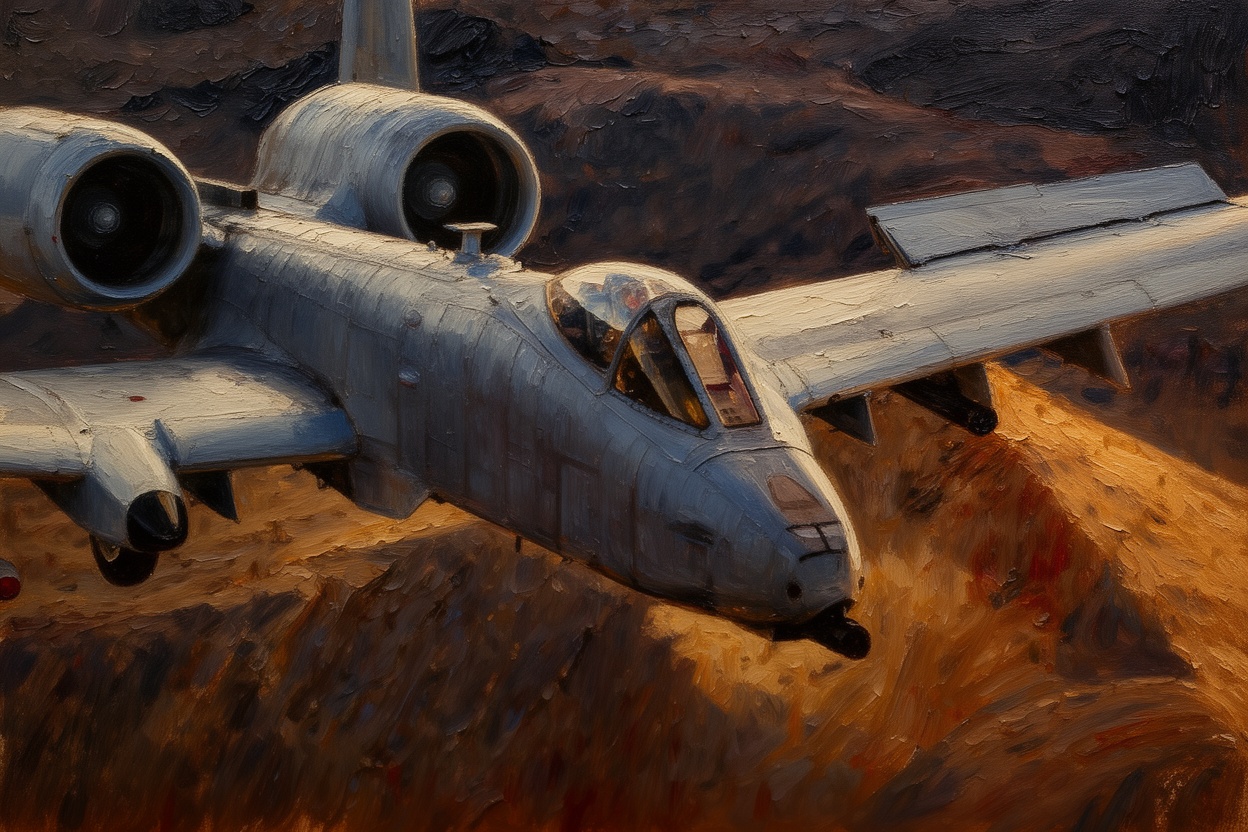
A-10 retirement forces rethink of combat search-and-rescue future
The U.S. Air Force is accelerating plans to retire the A-10, depriving CSAR of a long-proven platform. The service now faces hard choices about how to maintain responsive combat search-and-rescue capability amid modernization and budget pressures. Key questions revolve around replacement platforms, interservice roles, and regional risk hedges for allied contingents.
The combat search-and-rescue mission is entering a period of strategic uncertainty as the Air Force moves toward retirement of the A-10 Thunderbolt II. For decades, the A-10 paired rugged survivability with close air support to enable effective CSAR in contested environments. With the platform aging and budget priorities tightening, leadership is signaling a shift away from a dedicated CAS-forward fighter-bomber toward joint, multi-mission rescue assets. The looming transition raises questions about how quickly and how robustly the service can sustain human-removal and recovery operations in high-threat theaters. The result could be a tactical gap in rescue response during crisis or hostilities that involve heavy air defenses and complex terrain.