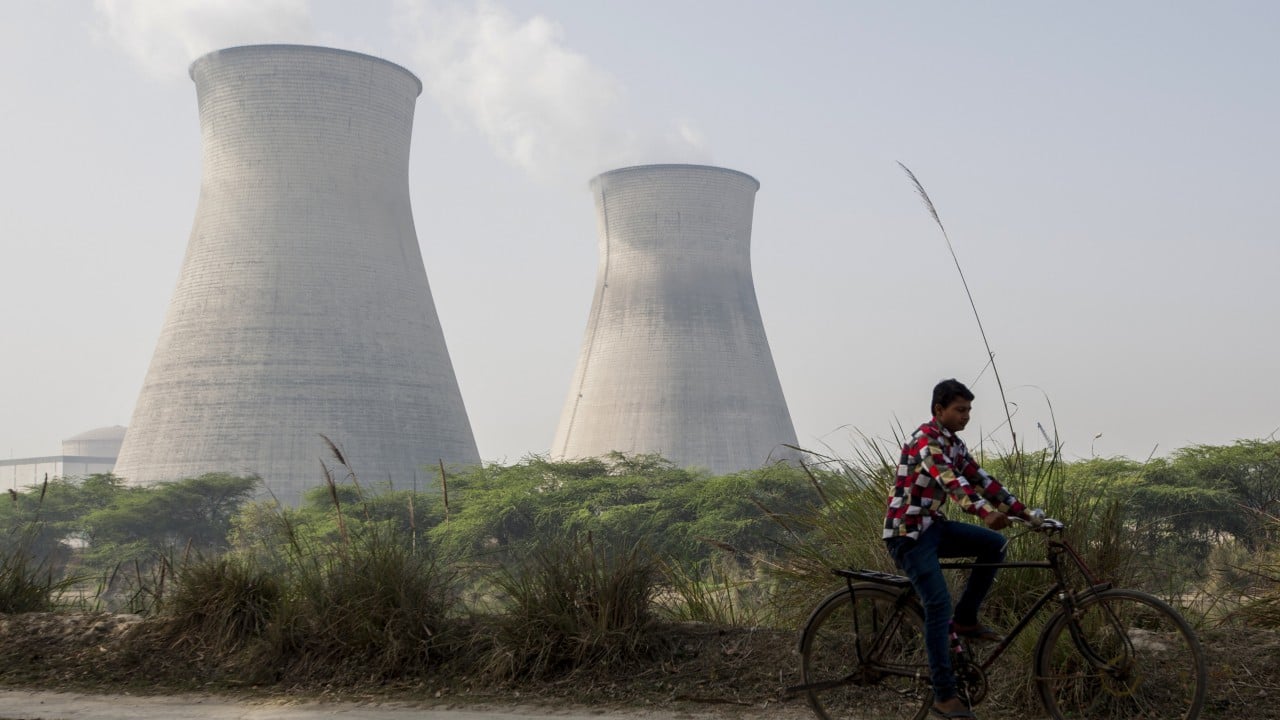
India Secures 10-Year Uranium Deal, Fueling Nuclear Ambitions Amid Energy Crisis
India's nuclear capacity expansion faces a critical boost with Canada's uranium supply agreement, crucial amid a growing energy crisis. This development significantly enhances India's strategic energy independence and nuclear capabilities.
India's ambitions to achieve 100 gigawatts (GW) of nuclear energy by mid-century received a major boost following the signing of a 10-year uranium supply agreement with Canada. This deal was formalized during a meeting between Canadian Prime Minister Mark Carney and Indian Prime Minister Narendra Modi in New Delhi. Despite possessing only 8GW of nuclear capacity currently, India's commitment to expand its nuclear power infrastructure hinges on securing reliable fuel sources, and this agreement is a critical element of that strategy.
The backdrop to this development includes India's historical reliance on imports for its energy needs, particularly in the nuclear sector. As global tensions and energy demand rise, India has faced increasing pressure to diversify its energy sources beyond fossil fuels and to enhance its energy security. The 100GW target is part of a broader strategy to reduce greenhouse gas emissions and meet the Paris Agreement targets, yet achieving this lofty goal requires substantial investment and, crucially, a steady supply of uranium.
The significance of this agreement extends beyond mere economic implications. It reflects India's shifting energy strategy while also signaling Canada’s intent to position itself as a key player in the global nuclear energy market. This partnership not only mitigates potential vulnerabilities in India's energy supply chain but also reinforces strategic relations between Canada and India amidst the growing competition in the Indo-Pacific region. The agreement showcases how nuclear energy becomes a focal point of geopolitical strategy in a world grappling with energy security.
Key actors in this unfolding scenario include India's government, which has an essential strategic motive: to become less dependent on external oil and gas markets while fostering its technological prowess in nuclear energy. For Canada, this uranium deal reinforces its status as a reliable supplier in the global market and strengthens its diplomatic ties with India, an emerging market for nuclear technology and fuel. Both nations aim to capitalize on mutual interests, although underlying tensions about trade regulations and non-proliferation persist.
Operationally, the details of the agreement include the provision of enriched uranium from Canadian sources, which will be necessary for fueling India's planned reactors. With India planning new reactors, including designs like the EPR (European Pressurized Reactor), the successful implementation of this uranium supply could eventually lead to operational capacities surpassing current projections. Analysts estimate the deal could facilitate approximately 15,000 tons of uranium over the decade, significantly bolstering India's nuclear fuel stock.
The likely consequences of this agreement may include accelerating India's nuclear development timeline and enhancing its autonomy in energy production. However, this could also invite increased scrutiny from global powers wary of nuclear proliferation. Should tensions rise, particularly with neighboring Pakistan or China, the implications of a stronger Indian nuclear capability could provoke strategic recalibrations in the region, potentially spiraling into an arms race.
Historically, parallels can be drawn with several nuclear agreements made in the past, such as the U.S.-India civil nuclear deal of 2008 which significantly altered regional dynamics. The Canada-India uranium pact could usher in a new era of strategic partnerships, mirroring how such agreements previously influenced not just energy policies but also geopolitical alignments through shared technology and resources.
Looking forward, observers should monitor subsequent developments around India’s nuclear reactor projects and any response from regional adversaries. Key indicators include new contracts for reactor construction, international oversight of uranium supply chains, and regional security dialogues that may arise in response to India's enhanced nuclear capabilities. The operational timeline for new reactors will also reveal the pace at which India can realize its nuclear ambitions, setting the stage for a potentially transformative phase in its energy landscape.