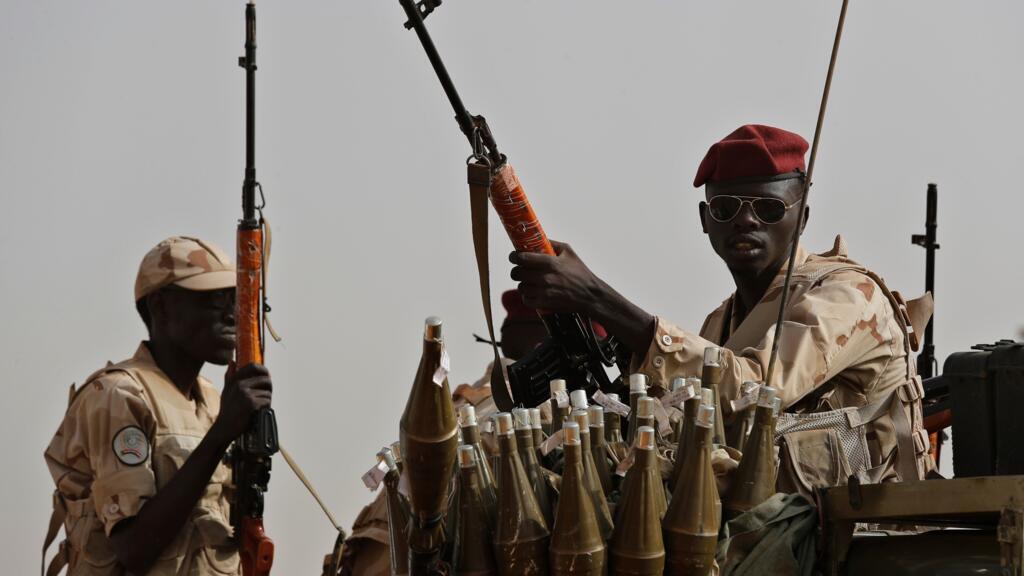
UN Report Indicates Potential Genocide Against Non-Arab Civilians in Sudan's El-Fasher
The UN's latest report reveals alarming mass killings of non-Arab civilians in El-Fasher by the RSF, constituting potential acts of genocide. This escalation intensifies the humanitarian crisis and poses significant risks to regional stability.
Recent findings from the UN Independent International Fact-Finding Mission for Sudan indicate that mass killings of non-Arab civilians have occurred in El-Fasher, following its capture by the paramilitary group Rapid Support Forces (RSF). The report outlines specific incidents involving systematic violence against these civilians, providing detailed eyewitness accounts and corroborating evidence suggesting genocidal intent. Following the RSF's takeover, the area has experienced significant unrest and targeted attacks, emphasizing a discernible pattern of ethnic violence.
This situation is of critical importance in the broader context of Sudan's ongoing conflict and the potential ramifications for regional stability. The actions of the RSF not only threaten the lives of civilians but also exacerbate ethnic tensions within Sudan, which has historically faced divisions between Arab and non-Arab groups. The international community is closely monitoring this situation, as it may set a precedent for international intervention under the Responsibility to Protect (R2P) doctrine if deemed necessary.
Key players involved include the RSF, which aims to consolidate power in the wake of Sudan's political upheaval, and various local and international stakeholders advocating for civilian protection and humanitarian assistance. The Sudanese government appears to be complicit or at least unwilling to address the violence perpetrated by the RSF, complicating international responses. NGOs and humanitarian organizations are urging for increased pressure on the Sudanese authorities and the RSF to halt these atrocities.
The implications of these developments are vast. If the situation escalates further, it may provoke a broader humanitarian crisis, potentially spilling into neighboring countries. A significant influx of refugees could destabilize border regions and prompt regional conflicts, drawing in neighboring states and exacerbating existing tensions in the Horn of Africa. The international community's response, particularly from major powers, will be pivotal in determining the trajectory of the conflict and whether accountability measures will be pursued.
Historically, Sudan has experienced numerous ethnic and political conflicts, with previous incidents in Darfur in the early 2000s leading to widespread international condemnation and interventions. This recent assertion of potential genocide evokes not only the historical context of Darfur but also a moral and legal responsibility for the international community to act decisively to prevent further atrocities.
Analyst assessment indicates that without immediate and concerted international efforts, the situation in El-Fasher could further deteriorate, potentially leading to widespread atrocities and loss of civilian life. Forward-looking strategies could involve diplomatic pressure, sanctions against the RSF, or even a UN-led peacekeeping mission aimed at stabilization and protection of civilians in the region.