Death Toll Rises to 178 in South Sudan's Surprise Attack Crisis
The rising death toll from a surprise attack in South Sudan indicates a severe humanitarian crisis. This escalation signals ongoing instability in a region already fraught with conflict and violence.
A deadly surprise attack in South Sudan has resulted in a staggering death toll of 178, as confirmed by local officials. The assault primarily targeted civilians, triggering widespread chaos and prompting thousands to seek medical attention. The brutality and scale of the violence suggest a deliberate escalation rather than random acts of aggression, reflecting deep-seated tensions in the region.
Historically, South Sudan has been plagued by intermittent violence since its secession from Sudan in 2011. The latest attack is a culmination of escalating ethnic conflicts and competition for dwindling resources in an environment still recovering from years of civil war. The region has seen rising tensions as various armed factions vie for control, exacerbated by the frail governance structures in place.
This incident is significant not only due to the high casualty figures but also because it underscores the complete breakdown of state control and the alarming humanitarian implications that follow. The continued violence may deter international investments and disrupt any ongoing peace processes, thereby further entrenching instability in the already volatile nation. As medical aid groups work amid a humanitarian catastrophe, the international community is left questioning how to respond to this latest crisis.
Key actors in this tragic event include local militias and rebel factions that have historically exploited ethnic divisions for territorial control. Their motivations stem from a combination of economic desperation and political power struggles, with little regard for civilian casualties. The South Sudanese government has yet to effectively address these issues, reflecting its own weaknesses and challenges in maintaining security.
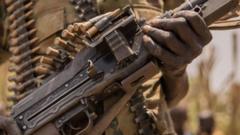
Operational details surrounding the attack remain murky, but eyewitness accounts suggest the use of small arms and heavy weapons in the assault. The government’s inability to prevent such attacks raises questions about military readiness and the efficacy of security forces funded by both domestic and international sources. With South Sudan ranked among the world's most dangerous countries, the potential for further violence looms large.
The likely consequences of this attack will manifest as increased displacement of civilians and a humanitarian crisis that could escalate rapidly. International responses may include calls for peacekeeping forces or humanitarian aid, but past measures have often been ineffective in curbing violence or stabilizing the region. Additionally, the increase in casualties could lead to retaliatory attacks, further fueling a cycle of violence.
Historically, similar incidents in South Sudan have resulted in prolonged periods of unrest, often requiring prolonged international intervention. The massacre at Malakal in 2016, which left hundreds dead, serves as a grim reminder of how quickly the situation can devolve and the challenges facing any sustainable resolution.
Going forward, the intelligence community should closely monitor troop movements and political declarations from both the South Sudanese government and armed factions. Key indicators to watch for include potential escalation of violence, movements of displaced populations, and changes in international diplomatic engagement regarding South Sudan. As the situation unfolds, the international community must brace for an imminent humanitarian crisis that threatens to destabilize not only South Sudan but the larger East African region.