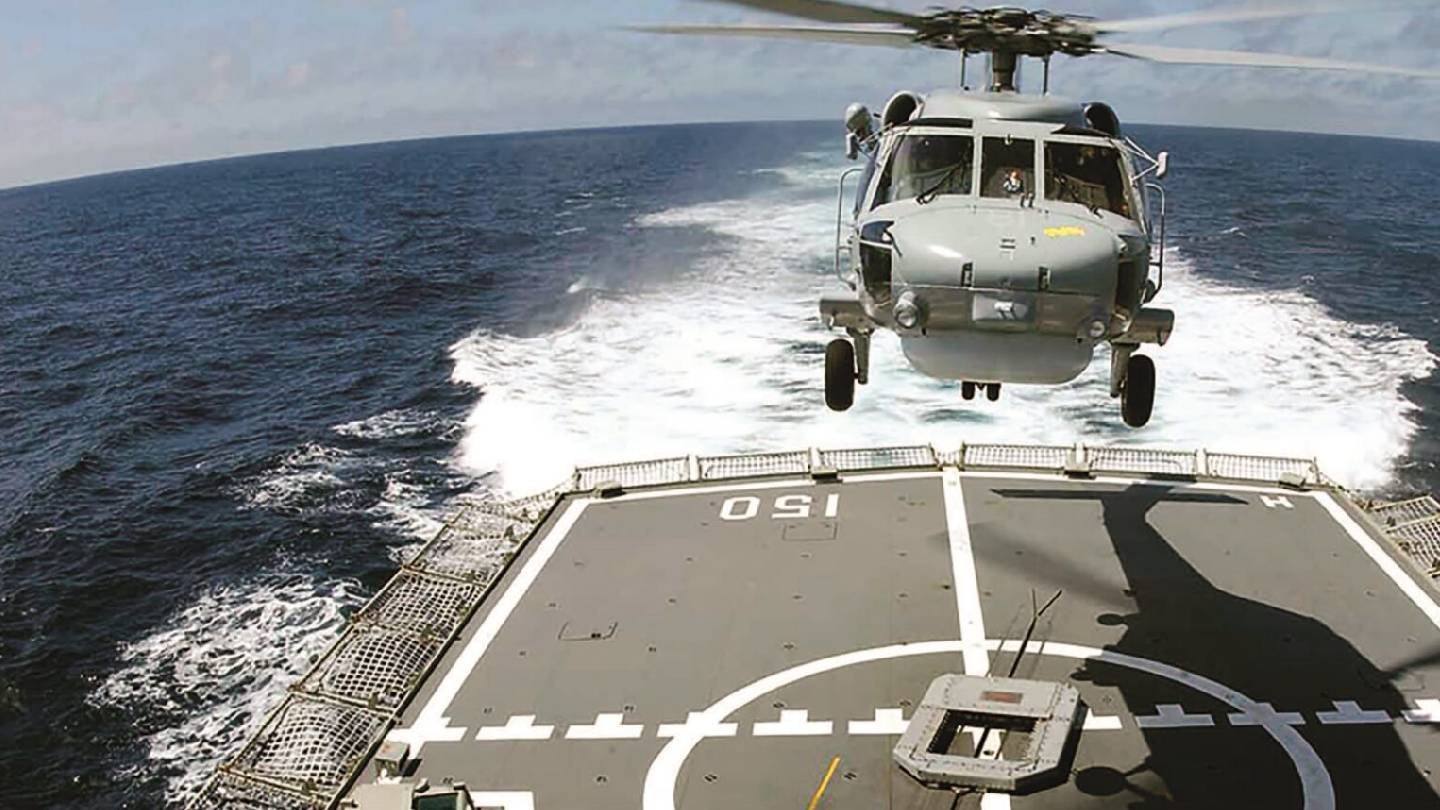
Canada Secures Four-Year Contract for Military RAST Systems to US DoD
Canada's CCC is set to supply advanced recovery systems to the US Navy, reflecting increasing defense interdependence amidst global military tensions.
The Canadian Commercial Corporation (CCC) has been awarded a significant four-year contract to supply Recover Assist Securing and Traversing (RAST) systems for the US Department of Defense, specifically the Naval Air Warfare Centre (NAWC). This strategic procurement decision underscores the reliance of the US military on foreign defense capabilities as it seeks to enhance its operational efficacy in recovery missions.
This contract comes on the heels of escalating military engagements and heightened operational demands placed on the US Navy due to increasing global security threats. As threats from state and non-state actors have surged in recent years, particularly in contested environments, the need for advanced recovery systems like RAST has exploded. Historically, the US has often relied on domestic production, but reliance on Canada signals a tactical shift in defense procurement.
The significance of this contract cannot be underestimated. As military forces globally grapple with rapid technological advancements and complex operational challenges, partnerships with allies like Canada may become more critical. The move points to a potential shift in the defense procurement landscape, where countries increasingly rely on each other's technologies to maintain military readiness.
Key actors in this deal include Canada's defense industry, striving for international footholds, and the US DoD, which is under pressure to modernize its operational capabilities. The CCC's successful bid indicates a recognition of the RAST system's advanced technology and the unique capabilities it brings to US military operations. The motivations here align with broader defense cooperation initiatives, but also underscore the necessity for the US to diversify its supply chains in an ever-volatile strategic environment.
The RAST systems to be supplied are designed for rapid recovery operations, enhancing the US Navy's capability to secure and traverse various terrains. Specifications for the RAST systems indicate a focus on modularity and adaptability, essential for different operational environments. The financial aspect of this contract is also noteworthy, expected to be in the multi-million dollar range, reflecting the importance placed on these technological advancements.
The immediate consequences of this deal may include bolstered operational capabilities for the US Navy, but it can also spark new dialogues on defense spending and international partnerships within NATO and beyond. As global tensions rise, the enhancement of existing systems could serve as a deterrent against potential adversaries, but could also provoke reactions from nations observing this military reinforcement.
Historically, similar defense procurement strategies have proven to be double-edged swords. The reliance on allies for critical components can create vulnerabilities; however, it can also lead to stronger unified military fronts. Past partnerships in defense have often evolved into tighter collaborations, raising the stakes in global power dynamics.
Looking ahead, observers should monitor the broader implications of this contract, especially how it influences US-Canada defense relations. Intelligence indicators to watch include follow-up contracts for additional RAST systems, potential expansions into other cooperative defense projects, and shifts in procurement strategies from other allied nations, as they adapt to the evolving security landscape.