North Korea's Congress Unveils Strategic Military Doctrine Amid Succession Speculation
North Korea's 9th Workers' Party Congress commenced in Pyongyang, highlighting significant military developments and raising succession questions concerning Kim Jong-un’s daughter, Kim Ju-ae. The congress' outcomes are poised to influence regional security dynamics on the Korean Peninsula.
North Korea's ninth Workers' Party of Korea Congress began this weekend in Pyongyang, attended by 5,000 delegates and approximately 2,000 observers. Supreme Leader Kim Jong-un is expected to formalize a new military doctrine addressing contemporary threats, although the specifics remain undisclosed. The congress takes place only once every five years and serves as a key venue for shaping national security strategy. State media characterized the event as unfolding 'with splendour,' underscoring its significance in the regime's propaganda efforts.
The strategic context of this congress is crucial as North Korea's military posture directly affects stability in Northeast Asia. As regional tensions remain high, particularly with regard to South Korea and the United States, any formal declaration from Kim could escalate military readiness in the region. The updated doctrine may impact future military exercises conducted by South Korean and allied forces, leading to heightened alert statuses. Moreover, North Korea's continued missile testing and nuclear capabilities will remain a focal point for international scrutiny.
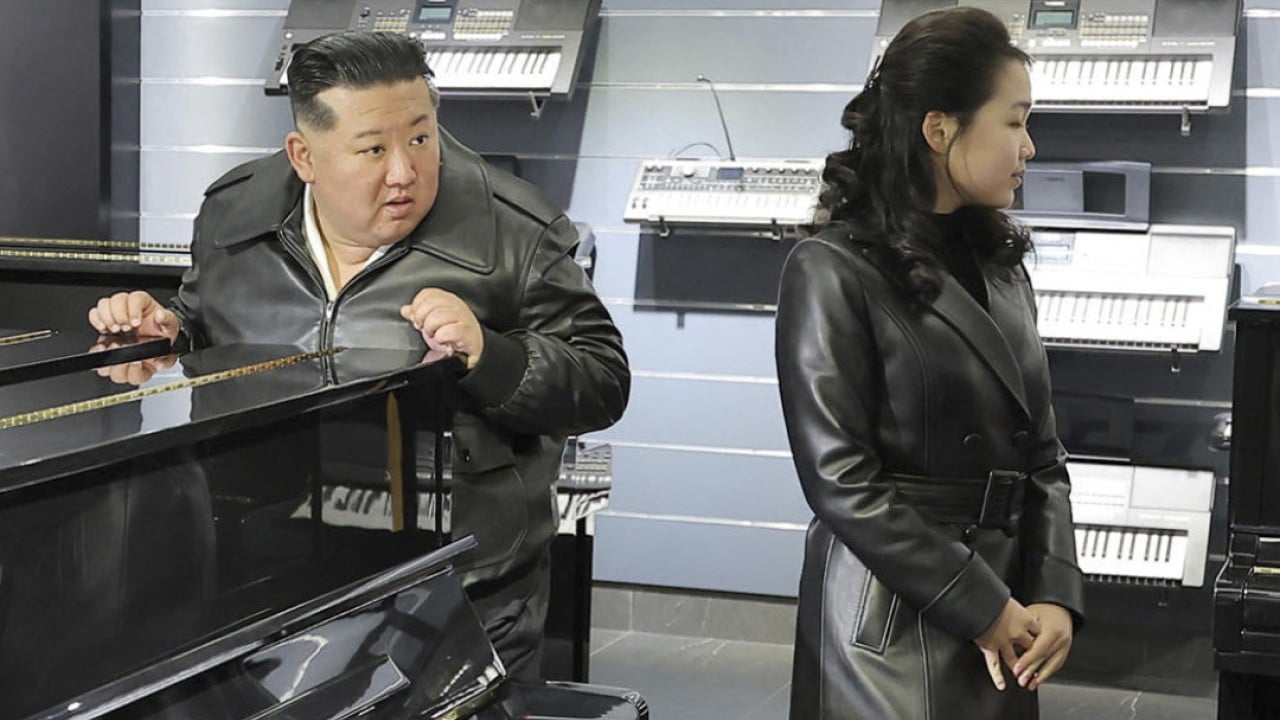
Key players in the current landscape include Kim Jong-un, who is consolidating power and seeking to assert his authority, and mention of his daughter, Kim Ju-ae, raises speculation about succession plans. Analysts are closely watching her involvement in this congress, which may indicate the regime's long-term succession strategy. This potential power transition could influence decision-making processes, particularly regarding military policies. The international community remains wary, given the opaque nature of the Kim regime and its unpredictable behavior.
The implications of this congress are broad and can significantly alter the geopolitics of the region. Should North Korea adopt aggressive military postures or provocative actions following the congress, it could prompt increased military support for South Korea from the United States and tension with China, as Beijing may feel pressured to intervene to maintain regional stability. Furthermore, any advancements in missile or nuclear capabilities following the congress would likely be met with international condemnation and potential sanctions.
Historically, North Korean party congresses have been used as platforms to declare strategic shifts and consolidate internal unity. The proceedings mark a potential pivot towards heightened militarization amidst ongoing sanctions and diplomatic isolation. Precedents suggest that such declarations can lead to escalations in military provocations, as seen in previous congress outcomes, particularly during times of economic strife in North Korea.
Overall, the outcomes and discussions at this congress warrant close monitoring by international stakeholders. Analysts should prepare for possible shifts in North Korea's policies and military posturing following this significant event, closely linked to domestic and foreign challenges faced by the regime.