China Remains Passive as US-Iran Conflict Escalates, Exposing Strategic Weaknesses
China's inaction during US-Iran hostilities reveals its prioritization of self-interest over military alliances. This decision risks further isolating Tehran while bolstering US influence in the region.
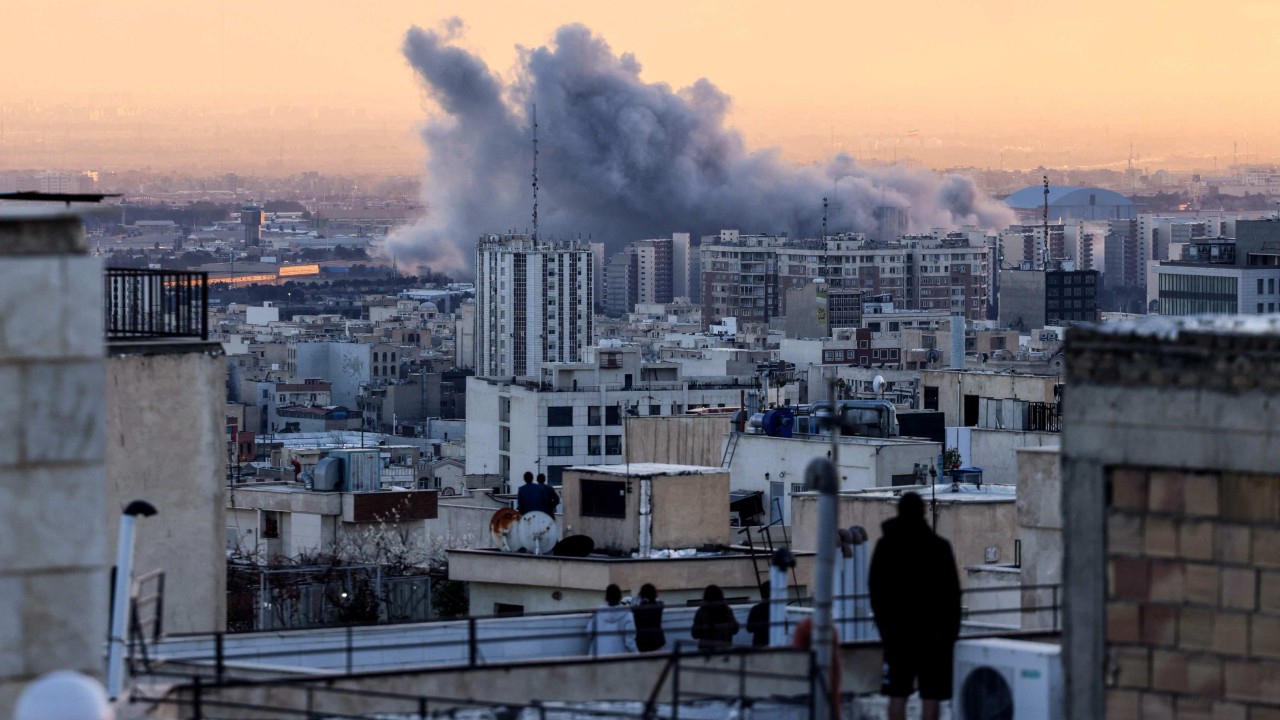
China's passive stance amid the escalating conflict between the US and Iran has raised eyebrows globally. Following significant US and Israeli strikes on Iranian targets, notably on military assets and facilities purportedly linked to nuclear efforts, Beijing has refused to extend any form of support to its long-time ally. Instead, the Chinese government has limited its response to diplomatic statements, effectively sidelining itself and demonstrating a worrying reluctance to engage militarily, even for a partner under attack.
Historically, China's support for Iran has been part of a broader strategy to counter US dominance in the Middle East and maintain access to critical energy supplies. However, the recent attacks mark a critical moment in which Beijing chose not to intervene militarily, echoing previous instances where it refrained from direct involvement, such as during the US special operations targeting Venezuela earlier this year. This consistent pattern of calculated restraint suggests a significant recalibration of China’s foreign policy priorities.
The significance of this scenario lies in the strategic vacuum it creates in the region. With China failing to secure its interests in Iran amidst a direct confrontation, it exposes vulnerabilities in its global standing. The lack of military support not only emboldens US posture in the region but could also set a precedent for other adversaries to perceive China as a less dependable ally, potentially undermining its influence in future geopolitical maneuvers.
Key actors in this situation include the Chinese Communist Party, which appears to be prioritizing relations with the US and other nations over backing a militarily compromised Iran. The underlying motivations highlight Beijing’s risk-averse approach, choosing to mitigate military and financial exposure instead of deepening commitments to Tehran during its time of crisis. This prudence, while rooted in realist statecraft, starkly contrasts with the expected dynamics of a traditional ally under siege.
The operational details surrounding the recent conflict are alarming. The US utilized advanced precision strike capabilities, likely including missiles from aircraft carriers within the Persian Gulf, targeting a range of installations that Iran uses to bolster its defense capabilities. Details of the damage are still emerging, but reports suggest numerous casualties among Iranian personnel and substantial damage to military infrastructure, marking a significant escalation of hostilities.
Likely consequences of China’s inaction could include increased isolation for Iran, compromising its military and diplomatic leverage. Should Tehran seek to retaliate against the US or its allies without the backing of a major power like China, it risks further armed conflict. Moreover, should this punitive attack scenario unfold, the dynamics of power in the Middle East could sharply pivot, making US alignment with regional partners — especially Israel and Saudi Arabia — even more pronounced.
Historical precedents show that periods of inaction can lead to rapid escalations amid regional conflicts. Notably, during the Gulf Wars, regional powers found themselves drawn into conflicts they initially sought to avoid. Beijing's decision to step away from direct involvement may mirror previous pathways from passive engagement to active involvement, though Beijing strives to maintain its current stance.
Looking ahead, observers should closely monitor China's diplomatic engagements following the escalating violence. Signals of any shift in strategy, including potential arms collaborations with Tehran or alterations in energy trade agreements, could indicate a recalibration of Beijing's approach to its Middle Eastern commitments. The broader implications of these decisions will certainly shape the geopolitical landscape, particularly as US and Iranian hostilities continue to intensify.