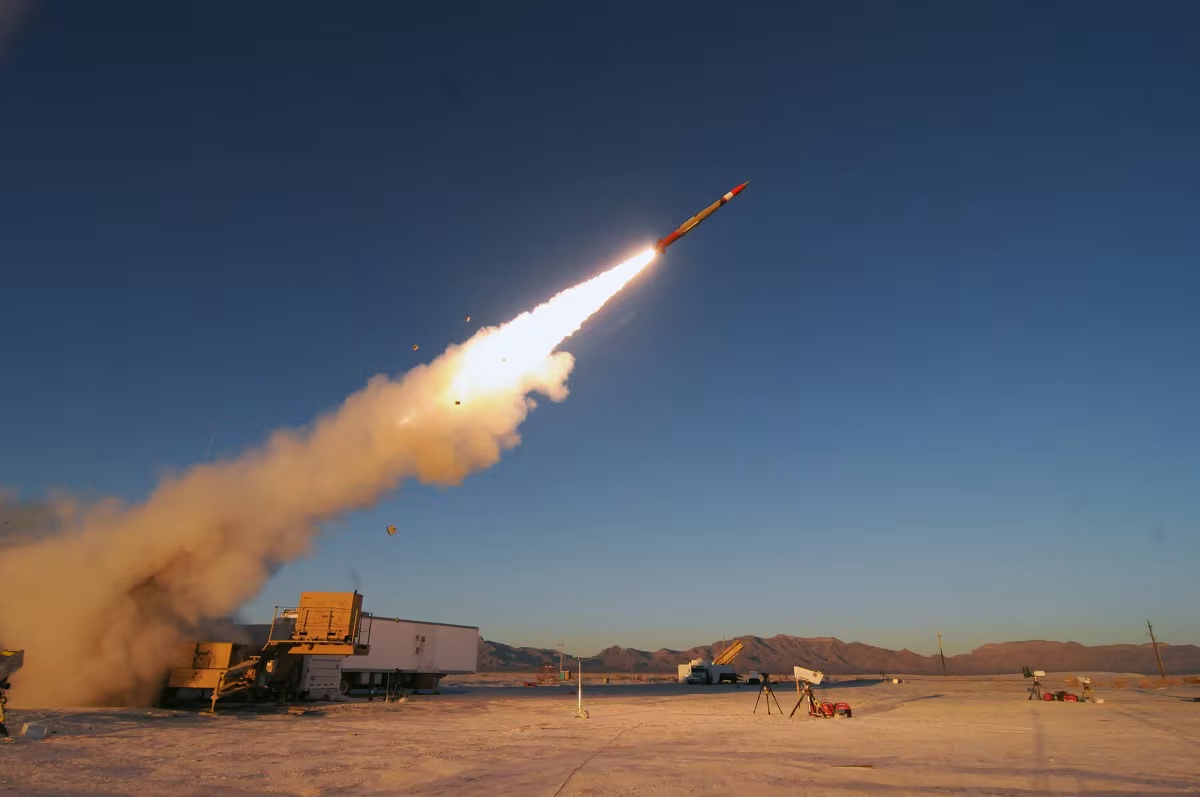
800 Patriot Missiles Depleted in 3 Days Amid Rising Tensions
The rapid depletion of 800 Patriot missiles in three days highlights the urgent demand for air defense amid escalating conflicts in the Middle East. Ukraine's discontent over their limited access to these critical interceptors exposes the inequalities in defense resources among U.S. allies.
During a critical period of regional instability, 800 Patriot missiles were expended within just three days to counter aerial threats in the Middle East. This unprecedented rate of missile usage raises alarms about the strain on U.S. air defense capabilities, particularly as various actors contest air supremacy in volatile areas such as southern Iraq and Syria. The operational tempo has reached alarming levels, underlining not only immediate risks but also long-term implications for U.S. defense stockpiles globally.
Historically, Patriot missile systems have been a cornerstone of U.S. air defense strategy, extensively deployed across Europe, the Indo-Pacific, and the Middle East. Their use in combat highlights the ongoing tensions in these regions, particularly against backdrop of Iranian aggression and proxy engagements via groups like Hezbollah. Recent escalations suggest that regional actors are testing the resolve and capacity of U.S. defenses, spurring a rush to utilize available assets like the Patriot systems at any opportunity.
The rapid consumption of these missiles signifies much more than an isolated event; it indicates a significant strategic risk. With 800 interceptors deployed, much of the Middle Eastern airspace remains vulnerable, especially as adversaries analyze U.S. missile inventory limits. Additionally, the disparity in access to advanced systems like Patriots creates a severe imbalance among U.S. allies, particularly as Ukraine openly expresses frustration over their inability to secure such vital technology in the face of their own existential threats.
Key actors, including the U.S., Israel, and various Gulf states, are motivated by differing defense priorities. U.S. policymakers must respond to a complex security environment where Iranian missile threats loom large, while Kyiv's dependence on Western military aid for survival leads to growing tensions over perceived inequities. Ukraine's complaints stem from the pressing necessity for advanced air defense systems to counter Russian missile attacks, alongside their realization that immediate air threats are competing for limited U.S. defense resources.
Operationally, the Patriot missile system, which includes the MIM-104 configuration, has long been lauded for its long-range capabilities, capable of engaging aerial targets at distances exceeding 160 kilometers. However, the rapid expenditure of missiles raises concerns regarding the U.S. military's logistics and readiness to provide sustained support across multiple theaters of conflict simultaneously. The current pace of missile depletion suggests that U.S. stockpiles may not be sustainable without increased production or reassessment of current deployments.
The consequences of this massive drawdown are profound, with the potential for further escalation as adversaries observe the U.S. commitment levels erode. Should conflicts in the region flare up, or should Ukraine continue to feel neglected, the likelihood of a rift could widen, jeopardizing alliances essential for global security coordination. Additionally, nations previously inclined to withdraw support might feel emboldened to pursue aggressive postures.
Historical parallels can be drawn to the U.S. air campaigns in the Persian Gulf War, where rapid depletions of advanced munitions led to operational strains and an eventual reassessment of engagement strategies. Similarly, the over-reliance on a finite number of high-tech systems indicates a critical vulnerability, prompting call-outs for diversification in defense architectures.
Looking ahead, watch for shifts in defense spending priorities in the U.S. Congress, and potential strategic re-alignments in both European and Middle Eastern defense stances. Signals to monitor include any increases in production or alternative support mechanisms for allied nations like Ukraine, as well as potential adaptations to military strategy in response to regional threats and lessons learned from recent operational strains.