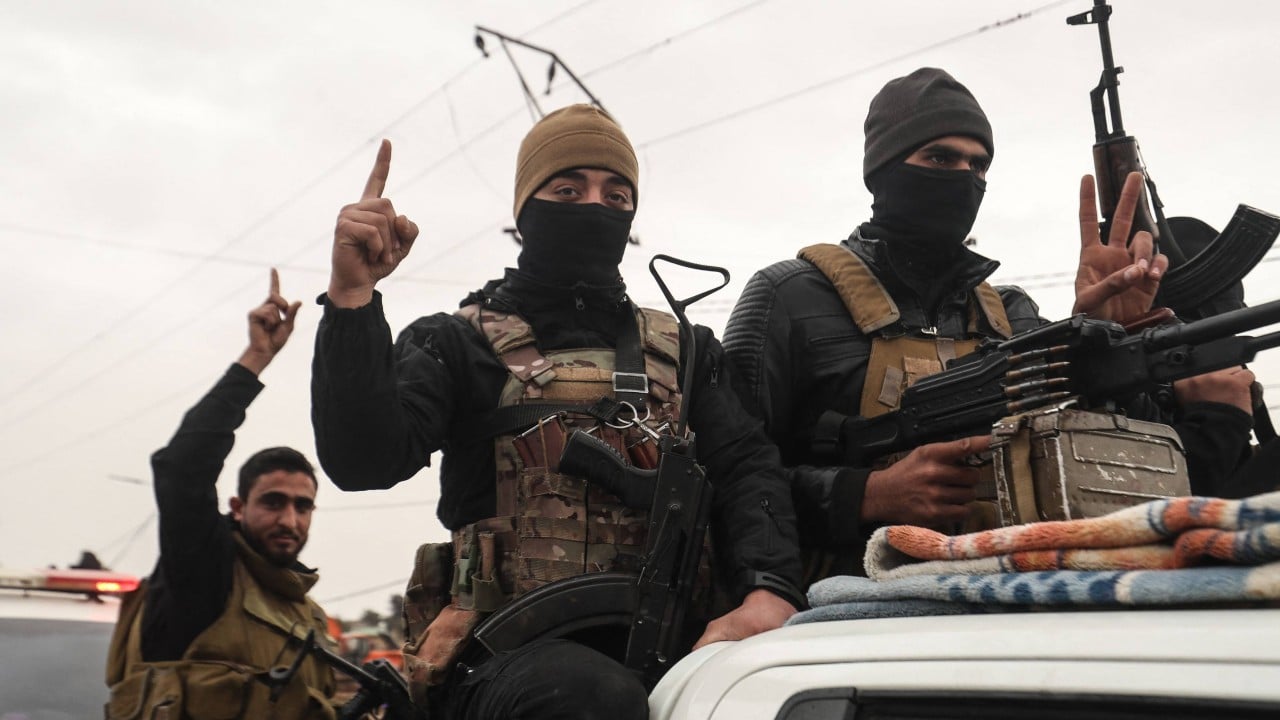
US Reduces Military Footprint in Syria Amid Shift in Government Control
The US is withdrawing forces from Syria as President Ahmed al-Sharaa's government solidifies control. This decision reflects a strategic recalibration in response to the evolving threat landscape, particularly regarding terrorism in the region.
The Trump administration has initiated the withdrawal of American military forces from Syria, citing a diminished need for a significant troop presence due to the emergence of President Ahmed al-Sharaa's government. According to an unnamed senior US official, this withdrawal is part of a broader strategic shift that recognizes the government's capacity to lead the fight against terror groups, including the remnants of the Islamic State.
This development has important implications in the context of US foreign policy and the broader geopolitical dynamics in the Middle East. The decision comes as regional stability is increasingly precarious, with various factions vying for control. The US’s reduction of military assets may signal a reorientation of its engagement model in Syria and nearby countries, possibly impacting alliances and counterterrorism efforts in the region.
Key players affected by this withdrawal include the Syrian government led by Ahmed al-Sharaa, the United States, and terrorist factions like the Islamic State. The Syrian government, reasserting its control, seeks to demonstrate effectiveness in combating extremism without foreign military presence, while the US is motivated to recalibrate its troop commitments amidst domestic priorities and the shifting threat perception in Syria.
The implications of this troop withdrawal could reverberate throughout the region. A decrease in US military presence might embolden various militias and extremist organizations, potentially leading to an uptick in violence or destabilization initiatives. Conversely, if the al-Sharaa government successfully consolidates power, it may invite re-evaluation of regional strategies by other powers, including Russia and Iran, and could change the stance of neighboring states regarding Syrian legitimacy.
Historically, such troop reductions have led to power vacuums, inviting external influence or increased conflict within the region. Past US withdrawals have often been followed by significant escalations in local conflicts or the resurgence of extremist entities, indicating that close monitoring of the situation will be essential as this strategic withdrawal unfolds.
In conclusion, while the US seeks to lessen its footprint in Syria, ongoing vigilance is necessary. The effectiveness of the al-Sharaa government in combating insurgent threats will be critical in determining whether this strategic shift fosters stability or descends into renewed chaos. Analysts will need to assess the longer-term impacts on regional security dynamics as this situation develops.