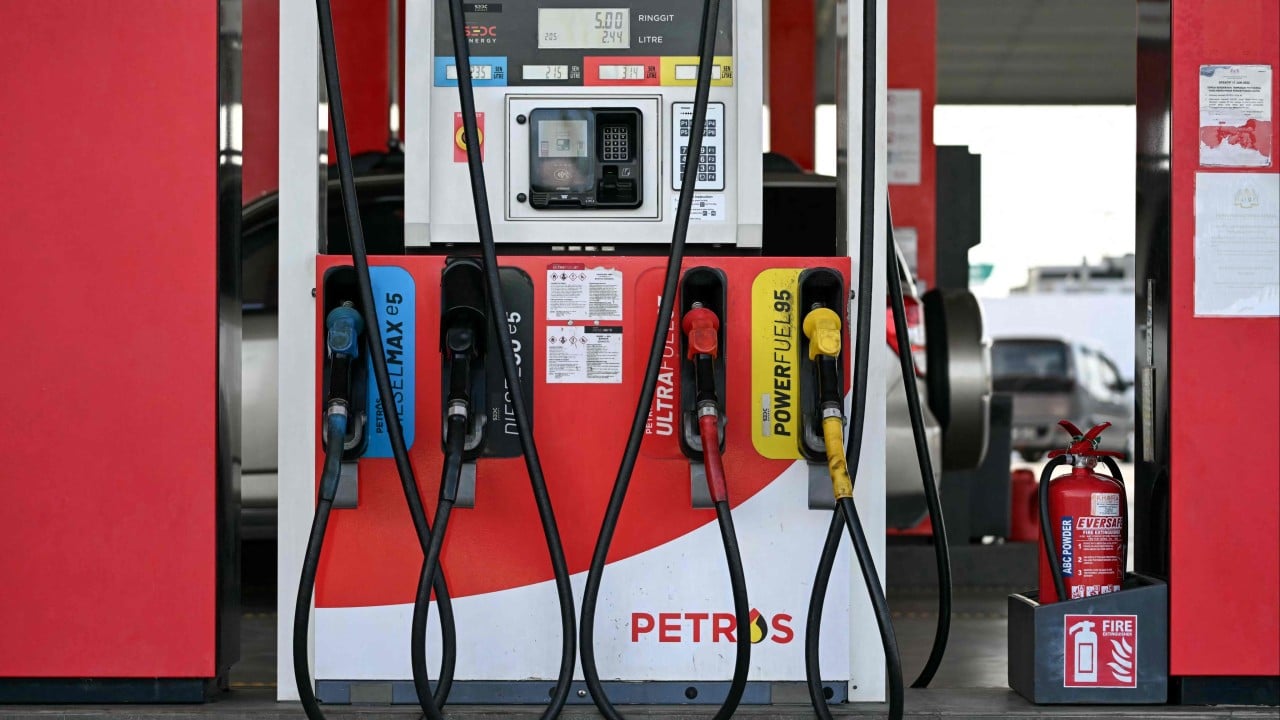
Malaysia Faces Crises as Fuel Smuggling Escalates Amid Global Energy Turmoil
Malaysia's tightening border controls signal an intensifying internal crisis driven by global energy market disruptions and rising fuel prices. The government's struggle to maintain subsidized fuel prices is fraught with implications for regional stability and economic security.
Malaysia has initiated stringent border enforcement measures to combat a burgeoning fuel smuggling crisis as global energy markets face unprecedented volatility. This action comes in the wake of escalating tensions stemming from the widening US-Israeli conflict with Iran, which has severely disrupted energy flows through the strategic Strait of Hormuz. The government's primary objective is to prevent the outflow of subsidized fuel, a move deemed crucial as it grapples with the rising domestic prices that mirror global trends.
Historically, Malaysia has maintained subsidized petrol prices as a means to stabilize its economy and curb inflation. However, the recent geopolitical turmoil, particularly the conflict between the US and Israel against Iran, has spurred fears of increased profitability for smuggling operations. Local supplies of subsidized fuel, pegged at approximately MYR 2.05 (USD 0.46) per liter, are now jeopardized as regional fuel prices surge, making illicit cross-border trade increasingly attractive to organized crime syndicates.
This development is significant as it exposes Malaysia to potential economic instability amidst a broader global energy crisis. The escalating price of oil, influenced by the ongoing conflict that has propelled Brent crude to over USD 90 per barrel, threatens to exacerbate inflationary pressures within Malaysia, which relies heavily on subsidized fuel to support its population and maintain economic stability. This crisis could heighten domestic unrest and threaten Malaysia's strategic position in ASEAN, potentially inviting interventions from neighboring countries.
Prime Minister Anwar Ibrahim’s government is driven by a need to maintain domestic order and economic resilience, but the measures taken may lead to diplomatic tensions with neighboring nations like Thailand and Indonesia, who could feel affected by Malaysia's border enforcement. The motivations behind tightening these borders are both economic and political; the government must balance fiscal responsibility with its role in ensuring the welfare of its citizens, while also steering clear of aggravating regional relations.
Operationally, Malaysia's enforcement agencies are enhancing patrols at key border crossings, employing additional personnel and resources to counteract burgeoning smuggling activities. Reports indicate that these areas, including the Peninsular Malaysia-Thailand border, are hotspots for illicit fuel trafficking. Moreover, the government is intensifying surveillance efforts with an estimated MYR 100 million push to bolster border security technology and intelligence sharing initiatives.
The likely consequences of this enforcement could spark retaliatory tactics from smuggling syndicates, leading to violence at the borders as illegal traders push back against increased scrutiny. Domestic fuel shortages could emerge if these smuggling operations are disrupted, resulting in supply shocks that further inflame local prices. The government's steadfastness will be closely monitored, as failure to resolve these issues could lead to civil unrest.
Historically, Malaysia's struggles with fuel smuggling echo past regional crises, particularly during bouts of price shocks in the mid-2000s. Those incidents saw the rise of organized smuggling networks, causing significant strains on Malaysia's economy and governance structures. The current situation suggests a troubling repeat of history, where state authority is challenged by pressing economic realities and illegal trade.
Moving forward, key indicators to watch include fluctuations in global oil prices, domestic consumer sentiment regarding fuel availability, and the effectiveness of Malaysia's border enforcement operations. The government's response in the coming months will likely shape not only its immediate economic prospects but also its long-term standing in the geopolitically charged Southeast Asian landscape.