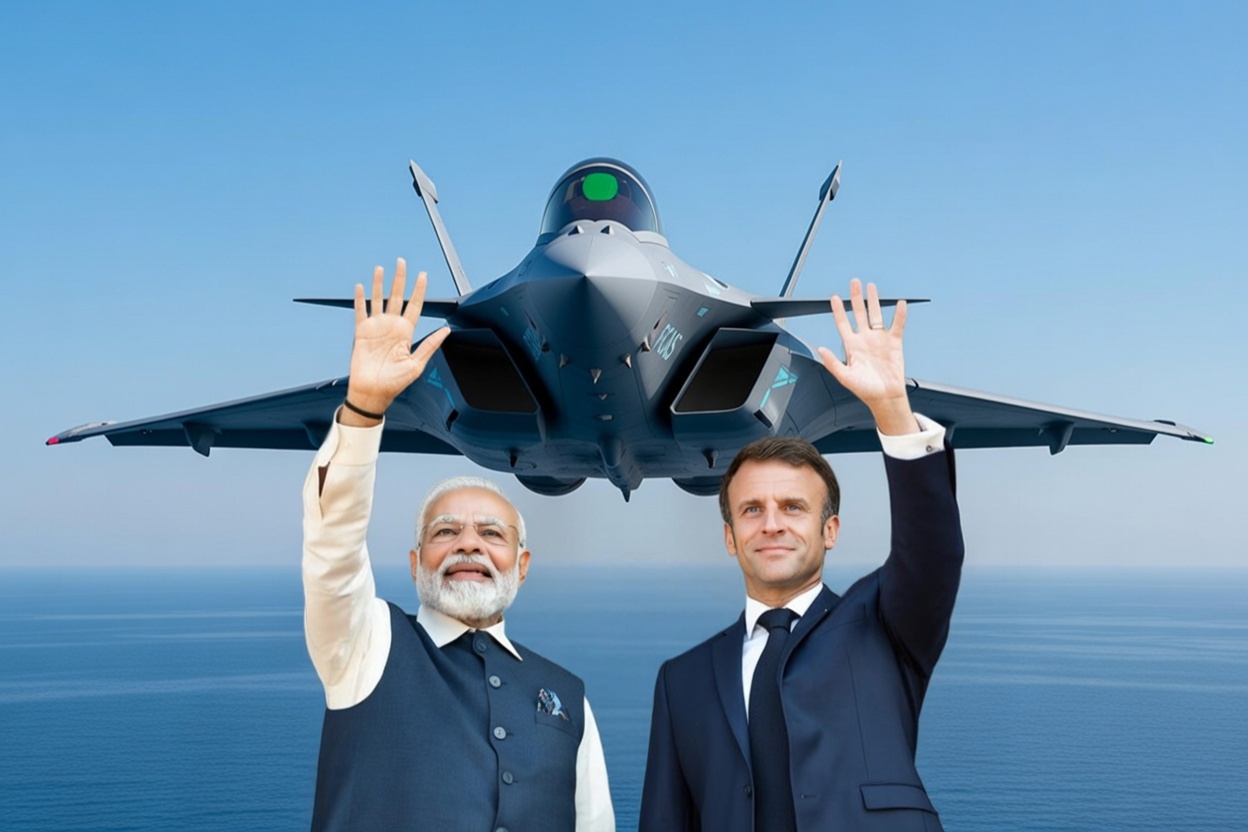
India Positions as Key Partner to Replace Germany in €100B FCAS Fighter Program
India's ambition in advanced fighter development intensifies, potentially reshaping Europe's sixth-generation combat aircraft landscape. With a significant investment in its indigenous AMCA project, India aims to enhance strategic partnerships while addressing European military capabilities.
India is positioning itself as a critical partner for Europe's Future Combat Air System (FCAS), an ambitious €100 billion project to develop next-generation fighter jets. With Germany facing numerous challenges including budget overruns and technical setbacks, Indian officials have suggested that India could step in to support the development of the FCAS, particularly as it advances its own sixth-generation Advanced Medium Combat Aircraft (AMCA) program. India's commitment includes allocating Rs 15,000 crore (approximately US$ 1.7 billion) towards developing prototypes for its indigenous fighter jet, currently in the conceptual phase.
This development holds significant strategic implications for Europe and the global military balance. The FCAS project, originally spearheaded by Germany, France, and Spain, is intended to unify European air capabilities and counter threats from emerging powers. If India successfully integrates into this ambitious program, it could enhance interoperability among NATO members and solidify India's position as a key military technology player on the international stage. Furthermore, fostering such partnerships would help address the operational capabilities gap within European missile defense systems amidst rising global tensions.
Key players in this evolving scenario include Germany, India, and France, which is currently spearheading the FCAS project alongside Germany. The motivations are diverse: Germany seeks to salvage a troubled project while maintaining its leadership role in European defense; France wants to reinforce its defense industrial base and engage in a collaborative defense framework; and India, aiming to diversify its defense partnerships, sees an opportunity to boost its technological prowess and secure its position as a defense exporter while fulfilling its own advanced fighter jet ambitions.
The regional implications are profound. If India becomes a core contributor to the FCAS project, it could result in increased Indian influence within European defense circles and encourage further collaboration in defense technology and joint exercises. This shift could reduce reliance on traditional defense suppliers while also bringing India closer to the forefront of military innovations. Consequently, challenges faced by European nations in developing competitive sixth-generation fighter jets could be ameliorated through shared expertise and resources.
Historically, India's aspirations in aerospace have faced hurdles due to technology transfer limitations and reliance on foreign systems. However, the increasing interdependence of global defense industries could provide a momentum shift, enabling India to elevate its indigenous capabilities. The potential for an international partnership with key European stakeholders could set a precedent for collaborative advancements in military aviation technology that align with global defense needs and strategic interests.
Analysts contend that if negotiations yield results, India could become a pivotal player in the FCAS project, leading to enhanced military capabilities on both sides. This alignment could subsequently influence defense procurement trends among other nations, who may seek to replicate such partnerships, further reshaping the landscape of global military capabilities going forward.