Cargo Plane Crash in Bolivia Leaves 15 Dead, Sparks Cash Rush Crisis
The crash of a C-130 airlifter in Bolivia highlights severe operational failures and raises urgent questions about transport safety in the region. This incident not only resulted in tragic civilian casualties but also signifies systemic vulnerabilities in handling sensitive materials.
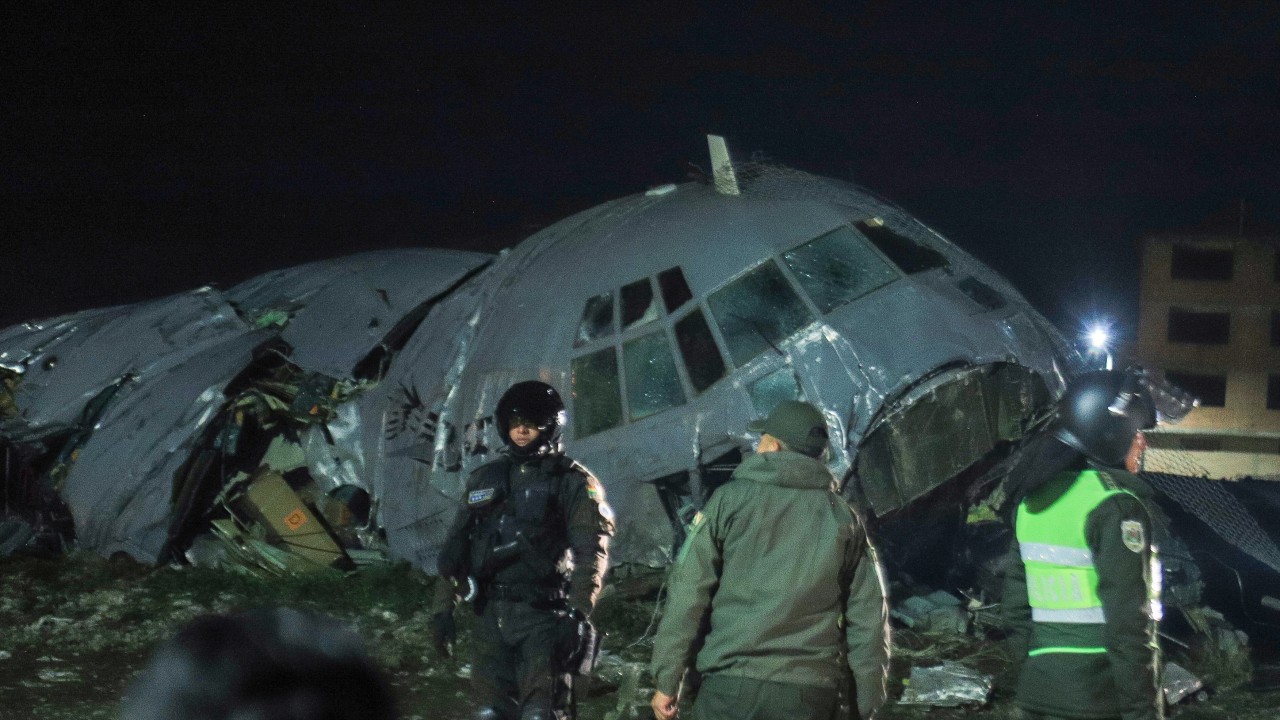
A military Hercules C-130 cargo plane crashed near El Alto, Bolivia, killing at least 15 people and injuring several others during its transport of newly minted Bolivian currency. The crash occurred when the aircraft lost control and veered off the runway at El Alto International Airport before plummeting into a nearby field, leading to the scattering of cash along highway routes. This tragic accident has prompted widespread chaos, with locals rushing to collect the bills strewn throughout the area, as authorities scrambled to control the situation.
This incident is a culmination of chronic issues facing Bolivia's transportation safety and military aviation. The C-130, a workhorse of many air forces globally, has a storied history, yet the Bolivian Air Force has faced scrutiny regarding its maintenance and operational protocols. Previous incidents and alarming reports suggest that aircraft safety measures have been disregarded, pointing to a troubling trend of negligence that raises concerns about the management of critical military and civilian assets.
The strategic implications of this crash extend beyond the immediate tragedy. Such incidents expose vulnerabilities in Bolivia’s logistical capabilities and governance, which could invite scrutiny from international oversight agencies. Additionally, the chaotic aftermath revealing rampant cash collection profoundly undermines public trust in the Bolivian government and military, showcasing a lack of control during crises.
Key actors in this scenario include Bolivia's military leadership, which must now confront the fallout from this disaster while handling both domestic dissatisfaction and international scrutiny. Defense Minister Marcelo Salinas called the crash an operational mishap, but deeper motivations tied to the poorly managed military logistics and potential corruption in material handling procedures beg for investigation.
The operational details are stark: the C-130 Hercules, a versatile cargo plane with a maximum payload of up to 45,000 pounds, is frequently used for transport missions in various countries. The Bolivian Air Force's apparent failure to maintain this aircraft and safely conduct its operations raises urgent questions about maintenance budgets, personnel training, and prioritization of safety standards within Bolivia’s military infrastructure.
In terms of likely consequences, this incident could lead to substantial public outcry and pressure on Bolivia's military to enhance safety protocols. Public sentiment could shift dramatically against military operations, especially given the tragic loss of life and the disregard shown by individuals rushing to collect cash. Furthermore, potential external aid and scrutiny from multinational regulatory bodies might intensify, forcing an assessment of Bolivian military aviation standards on a global stage.
Historically, in instances similar to this—where military aviation incidents have resulted in severe casualties and public disorder—the trajectory has often led to reviews and overhauls in regulatory measures. Bolivia may also witness a repeat of significant events from countries that faced similarly chaotic outcomes following military accidents, prompting widespread reform to restore public confidence and operational integrity.
Looking ahead, analysts will closely monitor Bolivia’s response and potential temporary suspension of military aerial operations. Specific indicators to watch include how quickly military leadership enacts safety reforms, whether there are calls for accountability regarding logistics mishaps, and if public sentiment steadily grows critical against military oversight. Heightened security measures at air bases and potential international reviews of Bolivian transport practices represent crucial developments in the aftermath of this crisis.