Taiwan Urged to Develop Drone Swarm for Asymmetric Defense Strategy
A recent report recommends that Taiwan develop drone swarms to counteract potential Chinese aggression by enhancing its military capabilities at lower costs. These systems could provide significant tactical advantages by executing high-risk missions with minimal personnel exposure.
The Center for New American Security has released a report advocating for Taiwan to prioritize the development of drone swarms as a strategic response to the ongoing threat from China. The proposed drone swarms are envisioned as a cost-effective means of expanding Taiwan's military capabilities and creating an 'asymmetric hellscape' that could complicate any potential invasion efforts by the People's Liberation Army (PLA).
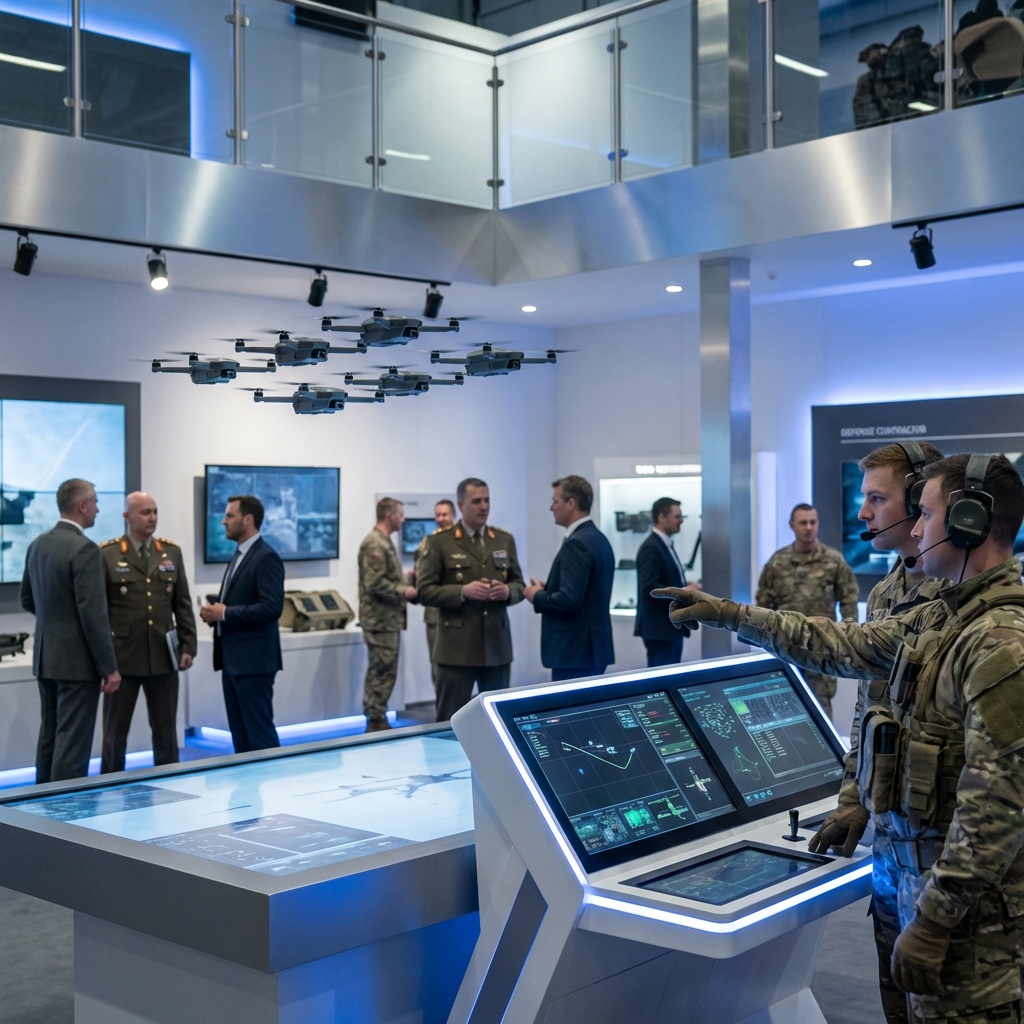
These drone swarms would not only increase Taiwan's defensive firepower but also reduce reliance on traditional, expensive weapon systems. The concept involves deploying numerous small, autonomous aerial vehicles that can operate collectively, allowing for diversified attack vectors and the ability to overwhelm enemy defenses. Each drone would be equipped with precision munitions and possibly electronic warfare capabilities, enabling them to conduct surveillance, target acquisition, and precision strikes on critical infrastructure with minimal risk to military personnel.
From a technical standpoint, the swarm would leverage advancements in artificial intelligence, swarm autonomy, and advanced communications technologies. This would allow for real-time coordination among drones, enabling them to execute complex missions that require sophisticated decision-making capabilities in a highly dynamic combat environment. The application of these technologies would not only enhance operational effectiveness but also increase the survivability of the platforms in the face of advanced enemy air defense systems.
Strategically, the implementation of drone swarms could alter the balance of power in the Taiwan Strait. By utilizing these systems, Taiwan can project a credible deterrent against larger military forces by creating an environment where adversary decision-making becomes increasingly complicated. This approach aligns with modern warfare principles that emphasize flexibility, rapid response, and the integration of unmanned systems into traditional military frameworks.
In terms of manufacturer and development considerations, partnerships with domestic tech firms specializing in UAVs and autonomy software would be critical. Such collaborations could foster innovation and production capabilities in Taiwan, thus promoting self-reliance in defense technology. Moreover, Taiwan could explore international cooperation with allies that have advanced drone technology, enhancing its defense posture while also contributing to broader regional stability efforts in the face of increasing military tension with China.