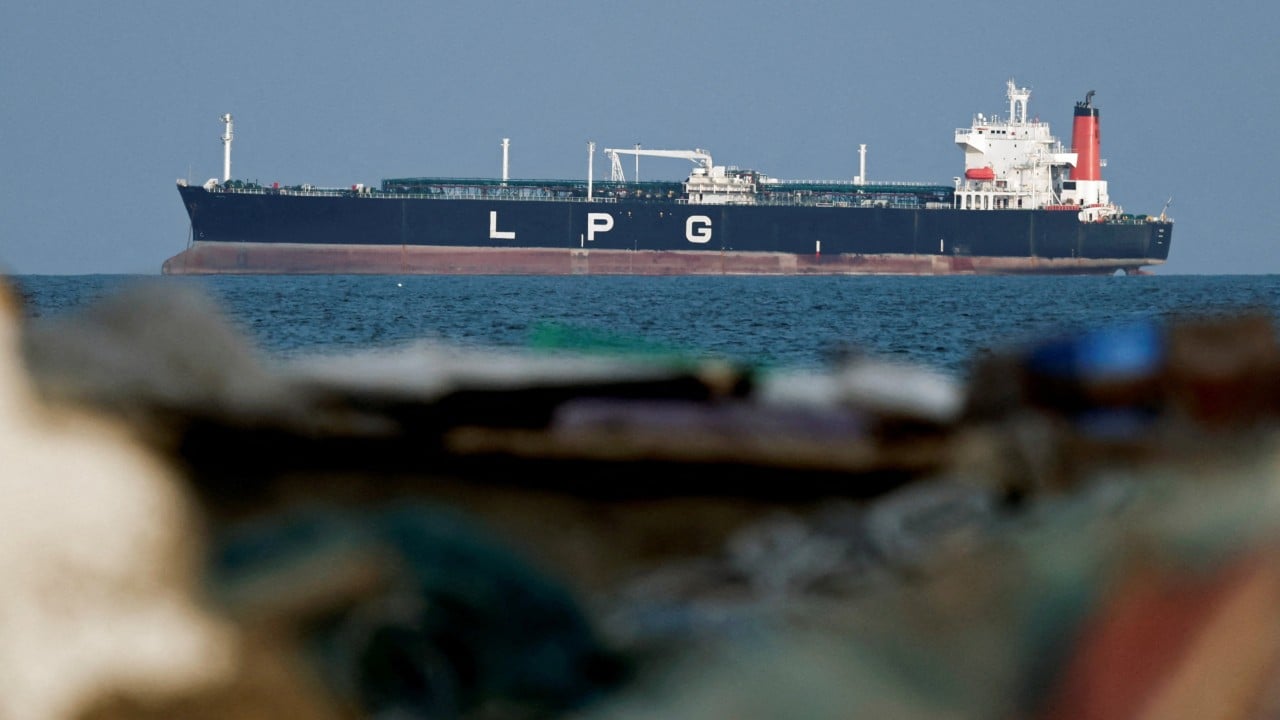
6,000 Filipino Mariners Trapped as Strait of Hormuz Crisis Intensifies
Over 6,000 Filipino sailors are trapped in escalating tensions in the Strait of Hormuz following missile attacks, highlighting severe risks to global maritime security. The situation exposes vulnerabilities in an area critical to international shipping, putting countless lives at immediate risk.
The Strait of Hormuz has become a lethal hotspot, with missile strikes affecting vessels and leaving more than 6,000 Filipino sailors stranded in a volatile conflict zone. The tugboat Mussafah 2 was struck this week, marking a significant escalation in military hostilities that have already claimed casualties among sailors in the region. George Miranda, a 46-year-old Filipino sailor, is reported missing, underlining the immediate dangers facing maritime workers in these waters.
The Strait of Hormuz is a strategic choke point, with approximately 20% of the world's petroleum passing through it. Historical tensions over territorial disputes and military presence, particularly by Iranian forces, have only intensified in the past few years. Previously, military incidents involving U.S. and Iranian naval forces hinted at the escalating brinkmanship, setting the stage for a potentially explosive confrontation that is now unfolding.
This crisis is critically significant as it exposes vulnerabilities in global maritime security, endangering not only the lives of thousands of sailors but also the flow of essential commodities vital for the world economy. With oil prices already unstable, further disruptions in the Strait could have far-reaching economic consequences, especially for countries reliant on oil imports.
Key actors in this situation include the Iranian military, which has demonstrated aggressive posturing by targeting shipping vessels. Iran maintains that its actions are in defense of sovereignty, but the reality suggests an increased willingness to confront international maritime operations. The U.S. and its allies, meanwhile, face mounting pressure to enhance naval security in the region to safeguard their interests and ensure the safety of maritime traffic.
Operationally, the destruction of assets like the Mussafah 2, alongside other vessels in the region, raises the urgency for military preparedness. Current naval capabilities, including U.S. aircraft carriers and allied destroyers stationed in nearby waters, underscore escalating tensions, signaling preparations for potential retaliation or continued engagement in naval confrontations.
The fallout from this crisis could lead to wider military engagement if provocations continue. The situation is likely to escalate as major maritime powers increase their naval presence in the Strait to manage security and deter further Iranian aggression. The risk of miscalculation in such a tense environment could provoke a military response, further complicating the situation.
Historically, this is reminiscent of the 1980s Tanker Wars, where similar attacks on shipping led to a significant military response from Western powers. The course of events may parallel earlier confrontations if current hostilities are not contained, reaffirming the cyclical nature of territorial maritime disputes in this strategic waterway.
Looking forward, intelligence analysts will closely monitor the movements of both Iranian naval assets and coalition forces in the region. Key indicators will include any increase in missile strikes, unexpected military maneuvers, or shifts in shipping patterns, all of which could point to an impending escalation or reveal intentions of initiating broader naval confrontations in the Strait of Hormuz.