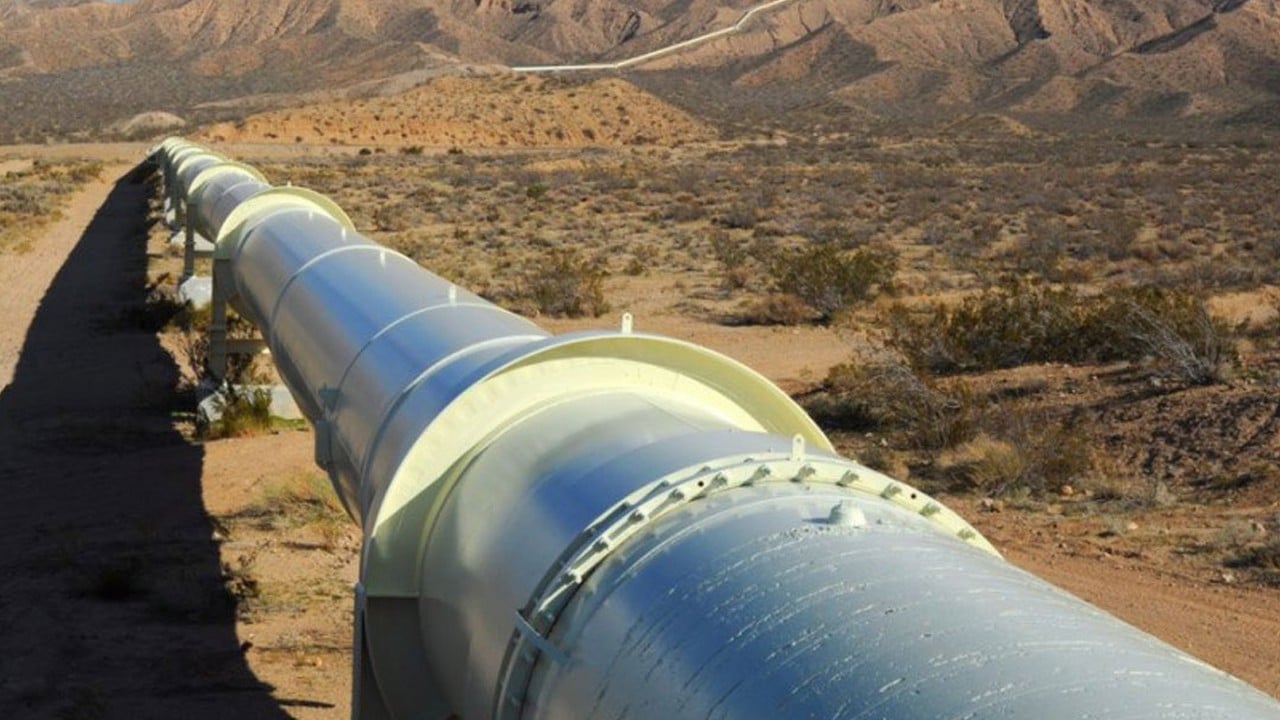
Rebels Escalate Attacks on Critical $4.5 Billion Niger-Benin Oil Pipeline
Rebel assaults on the Niger-Benin oil pipeline threaten regional stability and Chinese investments. China must confront escalating insurgents targeting its strategic infrastructure in Niger.
Rebels have launched a series of aggressive assaults on the $4.5 billion Niger-Benin oil pipeline, leading to heightened security concerns for Chinese nationals in the region. The situation escalated further with an Islamic State raid on the international airport in Niamey, Niger’s capital, on January 29. These coordinated attacks signify a dangerous trend against foreign investments in a region already fraught with instability.
The Niger-Benin oil pipeline is a critical component of China's Belt and Road Initiative, intended to bolster energy exports from Niger to international markets via Benin's coast. This project, which has seen significant Chinese financial input, is now under siege as insurgents intensify their efforts, exacerbating tensions stemming from longstanding regional conflicts involving various armed groups. Increasingly, the pipeline has become a symbol of foreign vulnerabilities amid a backdrop of rising jihadist violence.
The implications of these attacks resonate far beyond the immediate threats. They reveal a crucial weakness in the security architecture of Niger, placing at risk not only the investments but also the energy supplies that are pivotal for regional development. As Niger grapples with a deteriorating security environment, the potential for a broader destabilization in the Sahel region looms, endangering Chinese soft power efforts in West Africa.
Key players in this conflict include the rebel groups exploiting the chaos, as well as the Nigerien government and Chinese corporations. The insurgents are motivated by the disruption of foreign exploitation of local resources, leveraging their tactics to undermine both national governance and international economic involvement. Meanwhile, the Nigerien government faces mounting pressure to protect strategic assets while contending with limited resources.
Operationally, the Niger-Benin oil pipeline project represents a massive investment in infrastructure, encompassing approximately 2,000 kilometers and aiming to transport crude oil. The Chinese investment reflects strategic interests exceeding $4.5 billion, yet the complex logistics and security dependencies are now jeopardized by recurring violence. As foreign firms reevaluate their operational footprints, logistical challenges and security costs are set to rise sharply.
The escalating insurgent activities put both the pipeline and the broader regional security at risk, increasing the likelihood of retaliatory responses either by Niger’s government forces or potential deployments from Chinese security firms. Such dynamics could fuel further insurgent attacks or complicate the current military and diplomatic strategies that underpin foreign investments in the area.
Historical parallels can be drawn from other failed international ventures in hostile environments across Africa, where infrastructure projects became targets for local insurgencies. The Niger-Benin pipeline is distinct in its value and scope, yet continues to reflect the recurring theme of security challenges facing international stakeholders in war-torn integral regions.
Going forward, close monitoring of the security situation will be essential. Key indicators to watch include changes in rebel attack patterns, responses from the Nigerien military, and any shifts in Chinese diplomatic engagements. The situation’s evolution will ultimately determine whether the pipeline remains viable or if further significant investments in the region will be derailed by violence.