South Korea Protests Russian Embassy’s Banner As Ukraine War Anniversary Approaches
South Korea has lodged an official protest against Russia following the display of a banner at the Russian embassy in Seoul, proclaiming 'Victory will be ours.' This incident underscores Seoul's opposition to Moscow's actions in Ukraine and the conscription of North Korean soldiers amidst their ongoing conflict.
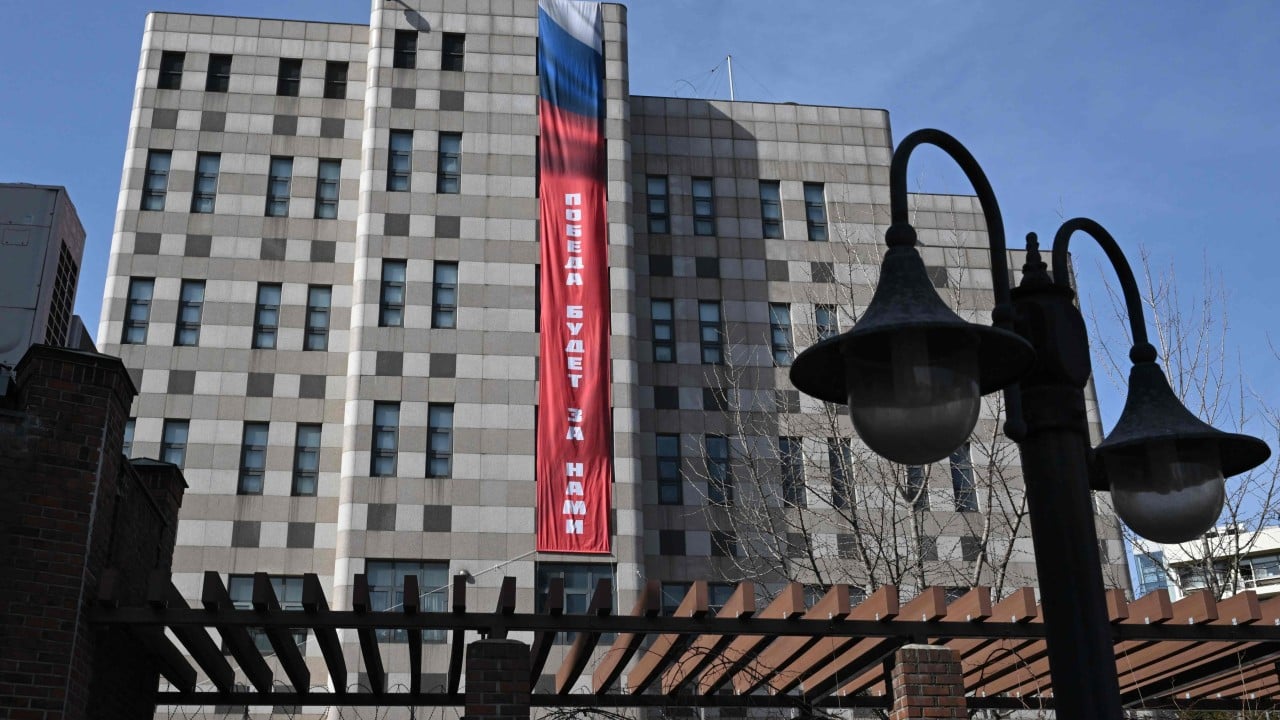
South Korea's government officially protested to Russia after the Russian embassy in Seoul displayed a large banner reading 'Victory will be ours' in Russian. This provocative display was noted over the weekend and remained visible into Monday morning, coinciding with the upcoming anniversary of the conflict in Ukraine, which has been ongoing since February 2022. South Korea views this banner as a direct challenge to its sovereignty and a blatant disregard for the ongoing war in Ukraine.
The strategic significance of this protest extends beyond South Korea-Russia relations. It highlights the deepening tensions on the Korean Peninsula, particularly with North Korea's involvement in the Russia-Ukraine conflict. South Korea's opposition to the Russian invasion of Ukraine and the reported recruitment of North Korean soldiers serve to complicate the already tense South-North dynamic, underlining Seoul's concerns about military cooperation between Pyongyang and Moscow.
Key players in this scenario include the South Korean government, which has reiterated its stance against Russian aggression and support for Ukraine, and the Russian government, which appears to be leveraging international support from North Korea. Both countries are motivated by national interests: Russia to strengthen its military engagement in Ukraine via North Korean resources, and South Korea to maintain its security posture against potential threats from the North while honoring its international alliances.
The implications of this incident could reverberate across the region, potentially isolating Russia further while driving South Korea closer to other Western allies, such as the United States and Japan. Additionally, South Korea's firm stance may embolden other nations to speak out against Russia’s tactics in Ukraine, reinforcing a global consensus condemning Moscow's actions. Should Russia deepen its military ties with North Korea, this could significantly alter the security landscape on the Korean Peninsula.
Historically, tensions between Russia and South Korea have been managed carefully, but displays like this banner challenge that equilibrium and provoke public outrage. The ongoing Ukraine war and its international ramifications could lead to a reevaluation of bilateral relations and regional security strategies.
Analyst assessments indicate that while the immediate protest may seem symbolic, it reflects broader geopolitical fault lines and could set a precedent for future diplomatic interactions. South Korea's growing assertiveness against perceived threats will likely continue, especially if Russia's actions further influence North Korean military capabilities.