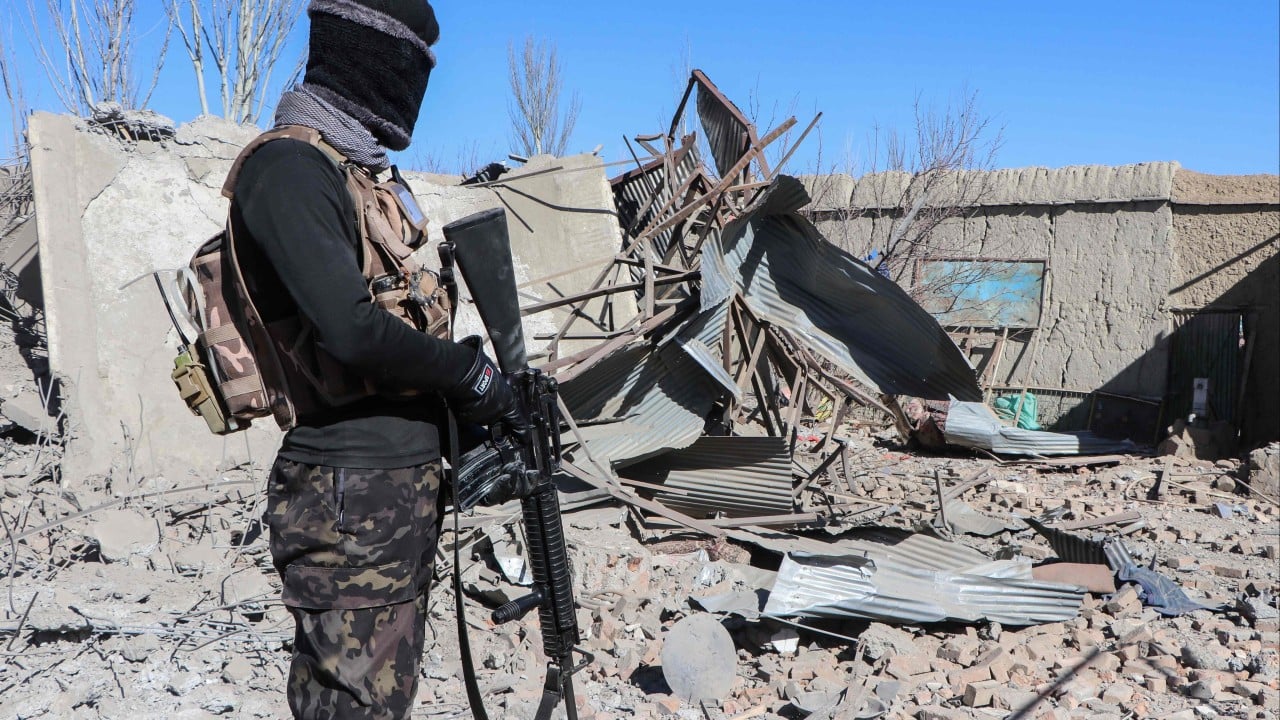
Pakistan Conducts Airstrikes in Afghanistan, 12 Killed Amid Ongoing Militancy Issues
Pakistan's military launched airstrikes targeting militant hideouts in Afghanistan, resulting in multiple civilian casualties. This operation raises concerns about the fragile Doha truce and regional stability as Pakistan holds Afghanistan accountable for cross-border militancy.
On early Sunday, Pakistan conducted airstrikes along its border with Afghanistan, targeting militant hideouts allegedly responsible for recent attacks on Pakistani soil. The strikes reportedly resulted in the deaths of over a dozen people, with specific casualties reported by the Afghan Red Crescent Society. While Pakistan did not disclose the specific targets, the Afghan Defence Ministry confirmed that the airstrikes impacted civilian areas in the provinces of Nangarhar and Paktika, including a religious madrasa, sparking outrage over potential violations of sovereignty and humanitarian concerns.
The airstrikes demonstrate escalating tensions between Pakistan and Afghanistan, particularly as Pakistan grapples with a rise in militant attacks attributed to groups operating from within Afghan territory. This operation challenges the nascent Doha peace agreement and highlights Pakistan's willingness to use military force to protect its national security interests, further complicating ongoing efforts at dialogue between the two nations.
Key players in this situation include the Pakistani military, which remains committed to countering the growing threat of militant groups like Tehrik-i-Taliban Pakistan (TTP), and the Afghan government, which faces criticism over its inability to control these factions post-Taliban takeover. Both countries are navigating a delicate balance between pursuing security and maintaining diplomatic relations, especially as Pakistan's military actions could be viewed as infringing on Afghanistan's sovereignty.
The implications of this incident are far-reaching, potentially destabilizing the already fragile security environment in the region. Increased military actions could ignite further retaliatory strikes from Afghan militants, escalating the conflict and prompting a cycle of violence that undermines regional security. It may also complicate international diplomatic efforts to stabilize Afghanistan and could lead to condemnation from regional powers and international organizations advocating for peace.
Historically, Pakistan has conducted military operations in Afghan territory against groups it views as a threat, a practice that has often led to heightened tensions. This incident may mark a renewed phase of military engagement that undermines existing diplomatic talks aimed at achieving long-term stability in the region.
Analyst assessments indicate that unless there is a significant diplomatic intervention, the risk of escalation remains high. Pakistan's actions suggest an intent to assert greater control over cross-border militancy, but the potential backlash from Afghanistan and its people, coupled with international scrutiny, could lead to an emerging crisis in the near future.