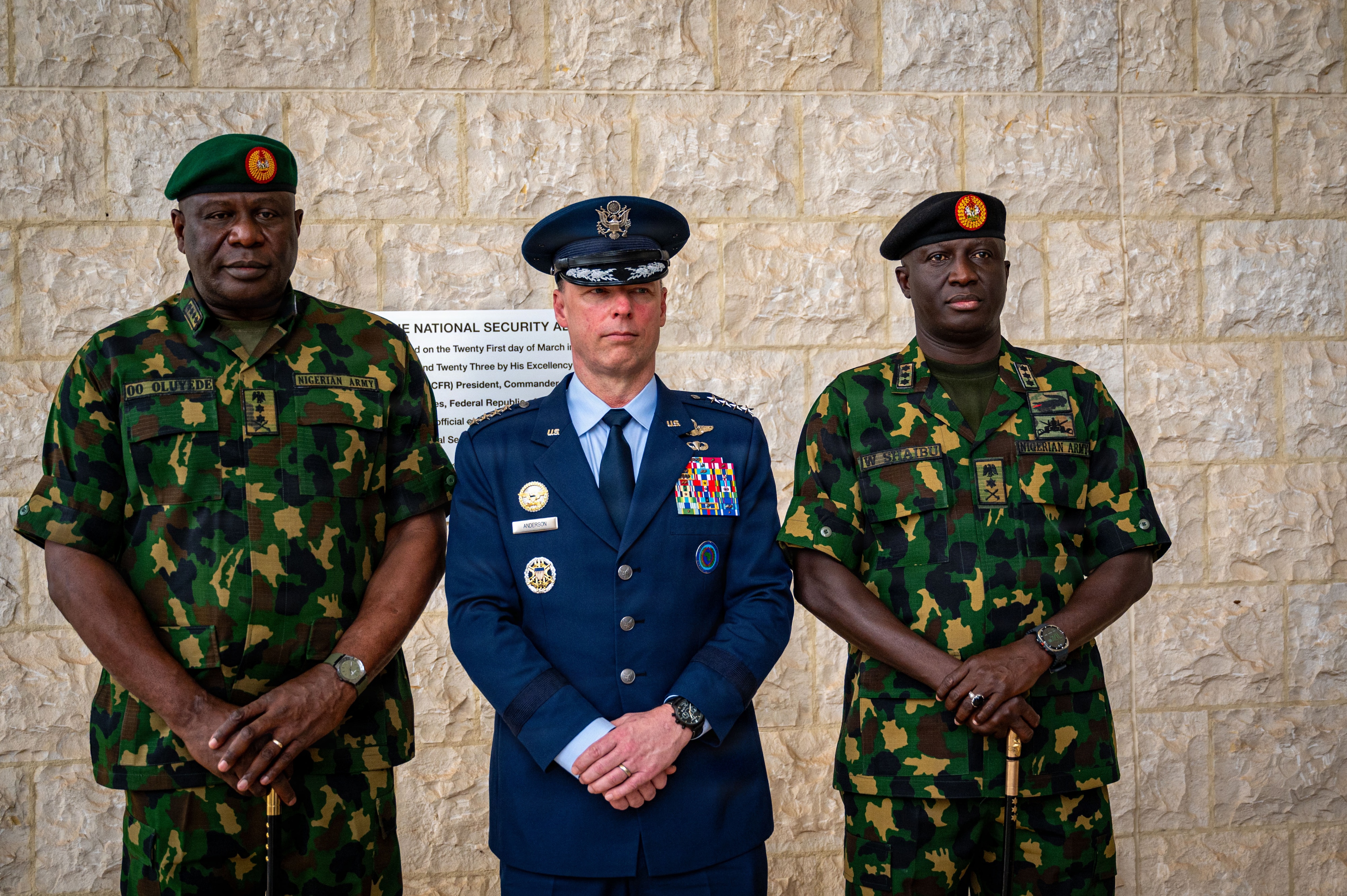
Pentagon Deploys 200 Troops to Enhance Counterterrorism Efforts in Nigeria
The U.S. will deploy 200 additional troops to Nigeria to bolster military operations against terrorist groups. This move underscores the ongoing commitment to assist regional partners in stabilizing the security environment in West Africa, particularly amid escalating threats from Boko Haram and ISIL affiliates.
The Pentagon has announced the deployment of approximately 200 U.S. troops to Nigeria, augmenting an existing team of American military officers already working alongside Nigerian forces. These troops will provide critical support in counterterrorism operations and enhance intelligence-sharing capabilities in the region. The deployment signifies a strategic investment in countering the rising influence of violent extremist organizations in West Africa, particularly in the Lake Chad Basin area, where groups like Boko Haram and the Islamic State West Africa Province are active.
This deployment is significant within the broader context of regional security in West Africa, illustrating not only U.S. commitment but also the complexities of the security landscape marked by increasing instability. Nigeria has faced numerous challenges, including mass abductions, suicide bombings, and intermittent civil unrest driven by militant groups. The need for robust support for Nigerian forces is exacerbated by an uptick in extremist activities that not only threaten Nigeria but also regional stability and security in neighboring countries like Cameroon, Chad, and Niger.
Key players in this development include the U.S., Nigeria, and their respective defense establishments. The Nigerian military, challenged by limited resources and mounting casualties, has solicited international support to effectively combat these threats. Meanwhile, U.S. interests lie in maintaining a strategic partnership with Nigeria, which serves as a crucial ally in countering terrorism and promoting stability in the region. The reinforcement of U.S. troops aims to address these allied concerns and enhance operational effectiveness.
Regionally, the deployment of U.S. troops is expected to improve the capacity of Nigerian forces to conduct operations against insurgents, which could lead to a temporary decrease in violence. However, it may also provoke a reaction from extremist groups who may intensify their attacks in response to the increased military presence. Additionally, this U.S. military involvement can impact local sentiments, raising questions about sovereignty and foreign intervention, which extremist groups may exploit for propaganda.
Historically, U.S. military involvement in Nigeria has oscillated between advisory roles and active engagement in counterterrorism efforts. The effectiveness of past initiatives, such as the Global Security Contingency Fund and various training missions, has been mixed, leading to scrutiny over the long-term sustainability of U.S. support to the Nigerian military without substantial reform of federal and local security practices.
In conclusion, this troop deployment marks a critical phase in U.S.-Nigeria relations related to counterterrorism. Analysts assess that while this increase in military assistance may enhance immediate operational capabilities, sustained success will depend on broader strategies that address underlying socio-economic issues contributing to insurgency and violence in the region. The situation warrants close monitoring as it unfolds, especially concerning the responses from local militant groups and their potential shifts in tactics.