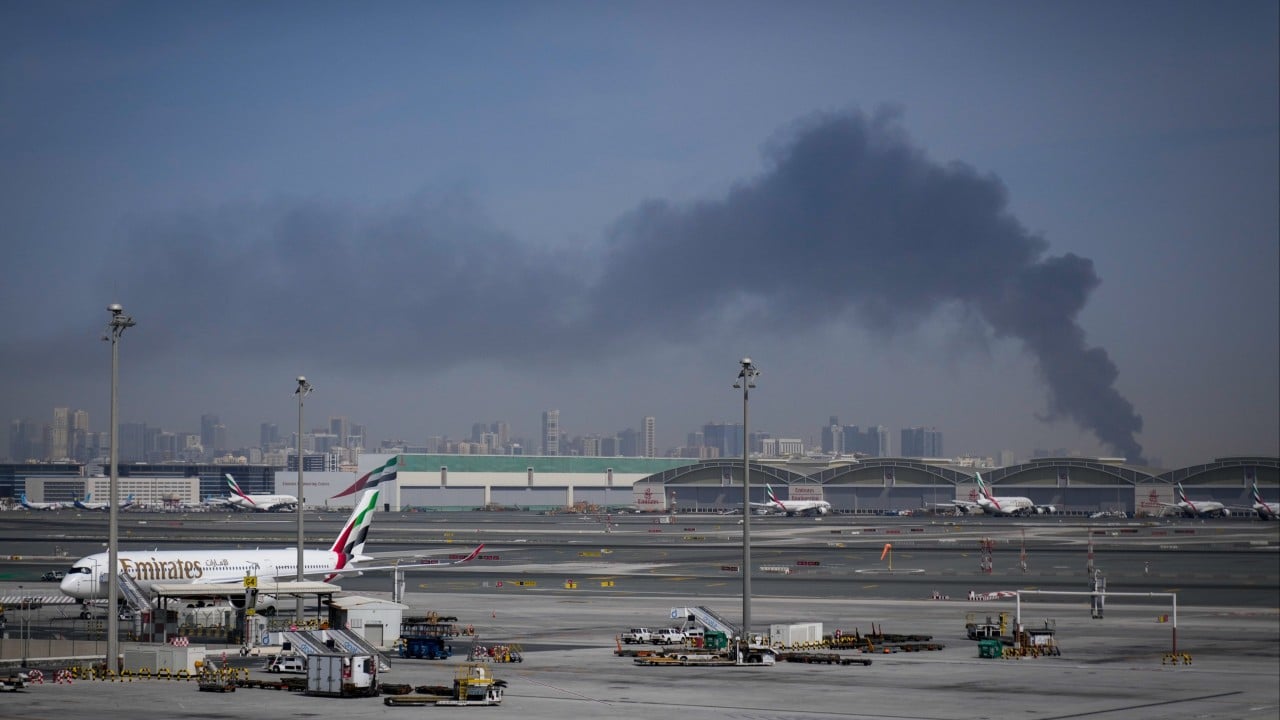
400 Hongkongers Stranded as US-Israeli War Escalates in Middle East
Over 400 Hongkongers remain trapped in the Middle East after airspace closures linked to escalating US-Israeli military operations against Iran. The crisis threatens regional stability and raises significant security concerns for global travelers.
More than 400 Hong Kong residents are currently stranded in the Middle East as a direct consequence of major airspace closures ignited by the escalating conflict resulting from the US-Israeli war against Iran. Numerous flights connecting Hong Kong to key locations in the region have been disrupted, leaving these travelers without a clear path home. The situation remains fluid as combat operations intensify, with no indications of when normal air travel might resume.
The background of this crisis is deeply rooted in the rising tensions between the United States, its ally Israel, and Iran. Following a series of provocations and military exercises, the situation escalated dramatically, leading to airspace shutdowns deemed necessary for security. The US initiated increased military readiness in the region, with reports suggesting that the hostilities could persist indefinitely, further straining air travel and regional stability.
The implications of this entrapment are severe, highlighting vulnerabilities in international travel protocols during active military conflicts. As the clashes intensify, the risk to civilians, including Hongkongers, raises alarms about the broader security environment in the Middle East. The United Nations and various governments have called for de-escalation, but with President Trump announcing that military engagements may continue for weeks, the crisis is far from resolved.
Key players in this situation, particularly the US and Iran, have motives related to regional power dynamics and influence over the Gulf. The US seeks to curb Iranian influence, while Iran is likely to retaliate against perceived aggressions, threatening further military confrontations. Their decisions directly affect the complex interplay of international diplomacy, impacting ordinary citizens caught in the crossfire.
Operational details reveal that airspace closures affect critical transit hubs including Dubai, which has only resumed limited services. This closure is expected to extend over several more days, if not weeks, straining evacuation efforts for stranded individuals. The ongoing military operations and resultant delays have also affected the delivery of humanitarian aid and supplies to conflict zones.
The potential for escalation in military engagements remains high, with risk factors including enhanced retaliatory actions from Iranian forces and disruption of regional trade routes. International relations are tenuous as allies and adversaries alike reassess their strategic positions in light of ongoing hostilities and potential spill-over effects.
Historically, this crisis mirrors earlier conflicts in the Middle East, such as the Gulf War and the Iraq invasion, where airspace closures and subsequent civilian entrapment were common. Such precedents underline the unpredictability of military conflicts and the need for robust contingency planning for citizens abroad, especially in volatile regions.
Looking ahead, travelers and defense analysts should closely monitor emerging reports regarding flight statuses and military operations in the region. Indicators of escalation, such as increased military activity or new hostile engagements, will be critical in assessing the situation's development. Understanding the geopolitical ramifications of this conflict is essential for both military strategists and civilian travelers alike.