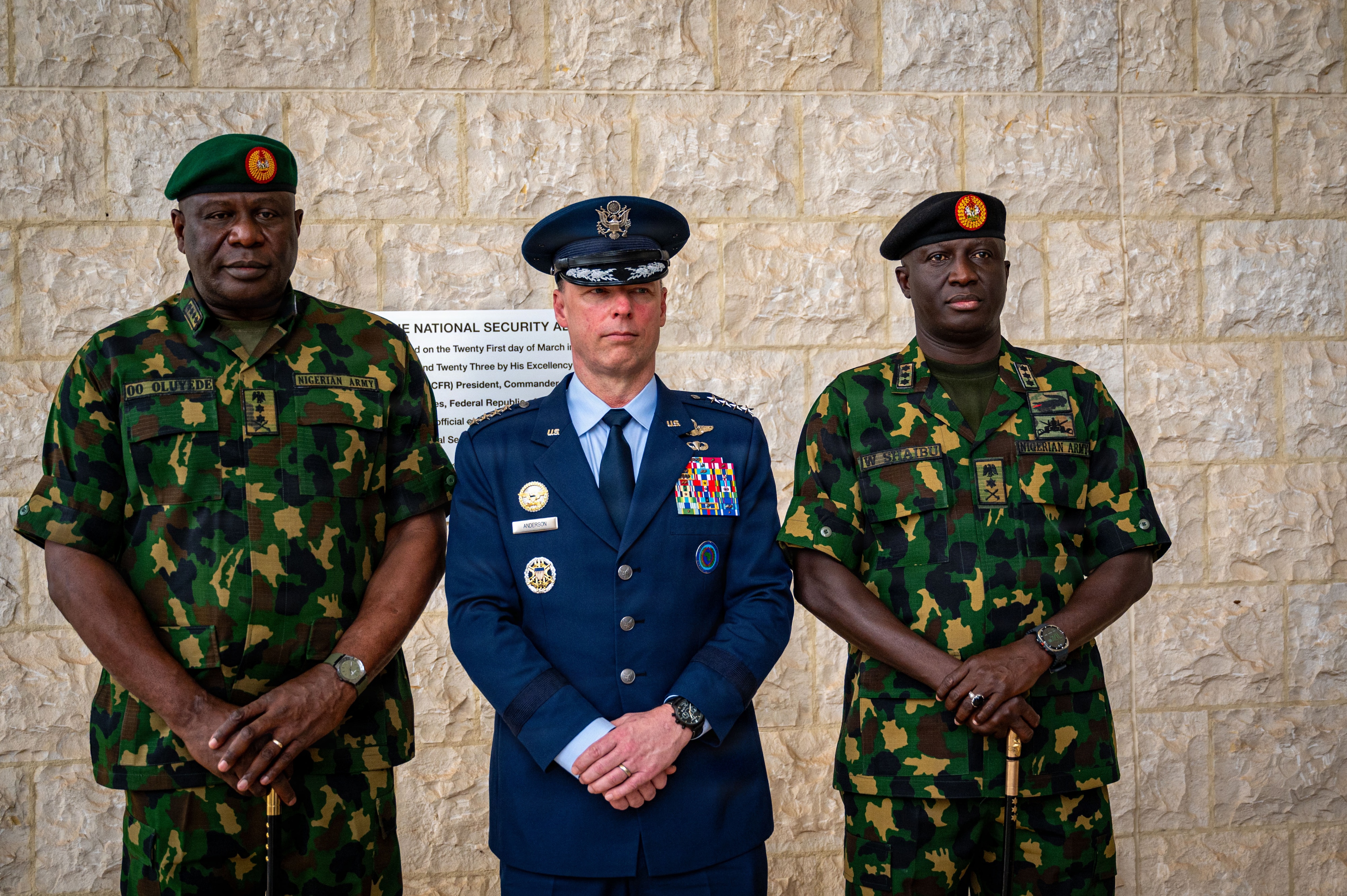
Pentagon Deploys 200 Troops to Enhance Counterterrorism Efforts in Nigeria
The U.S. is increasing its military presence in Nigeria by deploying 200 troops to assist local forces, aiming to bolster counterterrorism capabilities against Boko Haram and ISIS-affiliated groups. This strategic move underscores the importance of Nigeria in U.S. security interests in West Africa.
The Pentagon has announced the deployment of approximately 200 troops to Nigeria, supplementing an existing team of American military officers already embedded with Nigerian forces. This deployment is part of a broader strategy to enhance counterterrorism efforts against threats posed by extremist groups such as Boko Haram and ISIS affiliates in the region. The U.S. troops will focus on training and advising Nigerian military personnel to improve operational effectiveness and intelligence-sharing capabilities.
This development carries significant implications in the broader geopolitical context of West Africa, where Islamic extremist violence has escalated in recent years. The region is characterized by a complex interplay of militant groups that pose a direct threat to both regional stability and international security interests. The U.S. deployment signals a commitment to support African partner nations in their fight against terrorism, which aligns with strategic objectives of countering violent extremism and safeguarding critical U.S. and allied interests.
Key players in this situation include the United States, Nigeria, and militant factions such as Boko Haram and the Islamic State in West Africa Province (ISWAP). The Nigerian government, under President Muhammadu Buhari, is keen to receive international support to combat ongoing insurgencies that have resulted in significant civilian casualties and displacement. Meanwhile, the U.S. aims to strengthen alliances in the region and promote stability through military cooperation.
The deployment is likely to have several regional implications. It may encourage greater multinational cooperation among West African nations in combating terrorism, potentially leading to more coordinated operations against extremist groups. Additionally, U.S. involvement in Nigeria could embolden local forces, thus reinforcing a frontline against the spillover effects of terrorism that could affect neighboring countries. Over the long term, this could alter the balance of power among extremist groups operating in the region.
Historically, U.S. military engagements in Africa have sought to address security challenges while fostering partnerships with local forces. Previous collaborations have shown that increased U.S. support can lead to improvements in local military capabilities, evidenced in countries such as Kenya and Somalia. However, the success of such initiatives in Nigeria will largely depend on the effective integration of U.S. support with local operational strategies.
Analyst assessment suggests that while this deployment represents a proactive stance by the U.S. in West Africa, the ongoing complexities of local dynamics require careful navigation. Future outlook indicates that sustained and increased military assistance could be necessary if local forces do not achieve the desired efficacy in countering insurgency, especially in light of recent recruitment successes by Boko Haram and ISWAP amid regional instability.