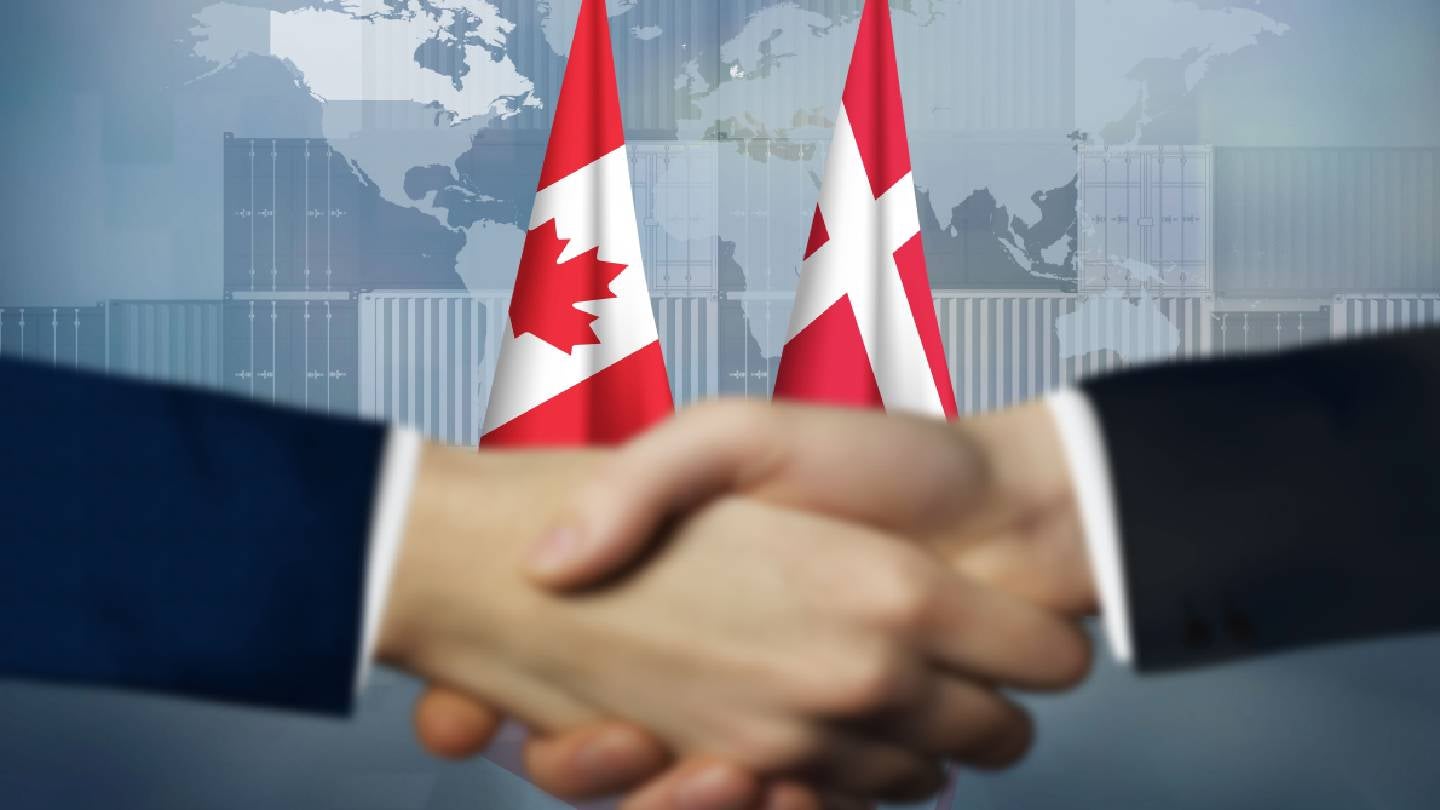
Canada and Denmark Formalize Defence Cooperation MoU Amid Global Security Challenges
Canada and Denmark have formalized a Defence Cooperation Memorandum of Understanding (MoU), enhancing military collaboration amid evolving security concerns in the Arctic and beyond. This partnership could strengthen NATO's northern flank and improve collective defense strategies against emerging threats.
On 13 February 2026, during the Munich Security Conference, Canada and Denmark signed a Defence Cooperation Memorandum of Understanding (MoU), marking a substantial step forward in the bilateral defense relationship. This agreement outlines expanded collaboration in areas such as joint military exercises, information sharing, and technology development, specifically focusing on threats in the Arctic region and enhancing NATO capabilities.
This move comes amid increasing geopolitical tensions, particularly concerning Arctic sovereignty and the proliferation of military activities in the region. Both countries recognize the importance of a robust defense posture in response to Russian military advances and assertive territorial claims, especially as melting ice increases access to previously unreachable areas. The defense partnership not only strengthens their national security but also fortifies NATO’s overall deterrent posture against potential aggression.
Key players in this agreement include Canadian Minister of National Defence Anita Anand and Danish Minister of Defence Troels Lund. Both nations view this partnership as critical for enhancing interoperability between their armed forces and addressing collective security challenges. The MoU is also expected to attract further investment in defense technologies and support indigenous defense industries in both countries.
Regionally, the implications of this partnership are significant, potentially prompting a reassessment of military deployments by surrounding nations, particularly Russia. Enhanced military cooperation in the Arctic could lead to a tighter alignment of defense strategies among NATO allies, fostering a more unified response to emerging threats in northern waters. Additionally, other regional players may seek to strengthen their own defense collaborations in reaction to this growing partnership.
Historically, both Canada and Denmark have maintained a strong presence in NATO and have participated in various joint exercises, but this MoU represents a formalized commitment to deeper collaboration. This is particularly relevant as Arctic geopolitical dynamics evolve, with many nations vying for influence and resources in the region.
Analyst assessment indicates that this Defence Cooperation MoU will likely pave the way for increased military deployments in the Arctic, provide momentum for joint operations training, and further solidify NATO’s defensive posture in response to Russian activities. As global security challenges continue to shape the international landscape, Canada and Denmark’s proactive approach could serve as a model for other nations facing similar threats.