2,000 US Strikes Fail to Halt Iran's Aggressive Retaliation Across 12 Nations
The US military has conducted over 2,000 strikes against Iranian interests, but Iran's retaliation has escalated significantly, affecting a dozen nations. This escalating conflict threatens to destabilize the region and directly implicates multiple global actors.
The United States has launched over 2,000 strikes targeting Iranian assets, yet these operations have not deterred Tehran from escalating its attacks against a dozen nations. In a marked increase in aggression, Iran has responded not just within its borders but has expanded its offensive capabilities internationally, threatening critical infrastructure and military forces abroad.
The history of US-Iranian tensions has deep roots, tracing back to the 1979 Iranian Revolution and the subsequent hostage crisis. Since then, numerous confrontations have erupted, from military skirmishes in the Persian Gulf to indirect engagements in regional conflicts like Syria and Yemen. The most recent cycle of violence follows heightened sanctions against Iran, aimed at crippling its economy and nuclear ambitions, which only served to bolster Tehran's resolve to retaliate.
The significance of this situation cannot be overstated. The US military presence in the Middle East, primarily in Iraq and Afghanistan, could be jeopardized as Iranian attacks threaten American forces and allies, leading to potential loss of life and heightened regional instability. Moreover, the global oil market faces risks of disruption, as Iranian retaliatory strikes could target key shipping lanes and oil facilities.
Key players in this scenario include not only the US and Iran but also regional partners such as Saudi Arabia and Israel. The US seeks to demonstrate military dominance to deter Iranian aggression, while Iran’s actions reflect its intent to project power and distract internal dissent. Both sides display a lack of inclination to deescalate, prioritizing strategic national interests over diplomatic engagements.
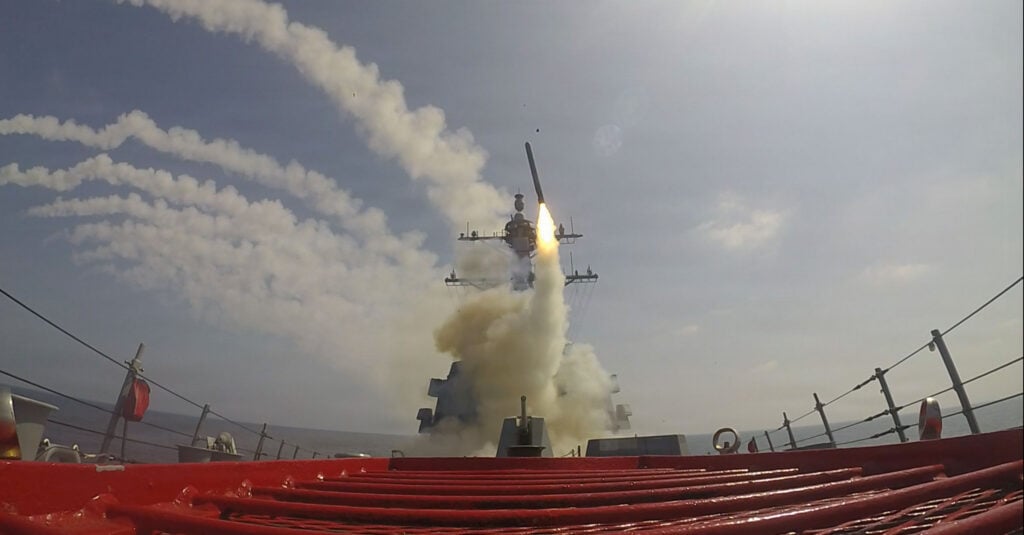
From a technical perspective, the US strikes emphasized precision targeting capabilities, with a diverse arsenal likely including F-35 fighter jets, Tomahawk missiles, and drone strikes. However, Iran's increasing use of asymmetric warfare tactics, such as cyberattacks and proxy forces throughout the region, represents a growing challenge to US military operations and the broader stability in the Middle East.
The potential for further escalation looms large. As both nations remain entrenched in their positions, military clashes between US forces and Iranian proxies may intensify in the coming months. Additionally, a continued cycle of retaliation could lead to wider regional conflicts involving neighboring nations and power blocs.
Comparisons can be made to previous US engagements in the region, particularly the open-ended conflicts in Iraq and Afghanistan where initial strikes led to protracted insurgencies. The historical precedent indicates that operations against Iran could spiral into a much larger, intractable conflict with regional implications.
Going forward, analysts should closely monitor the regional response from other nations impacted by Iranian attacks, particularly those with existing grievances against Tehran. Intelligence will be critical in assessing Iran’s next moves, especially any shifts in its military posture or alliances that may further complicate the situation.