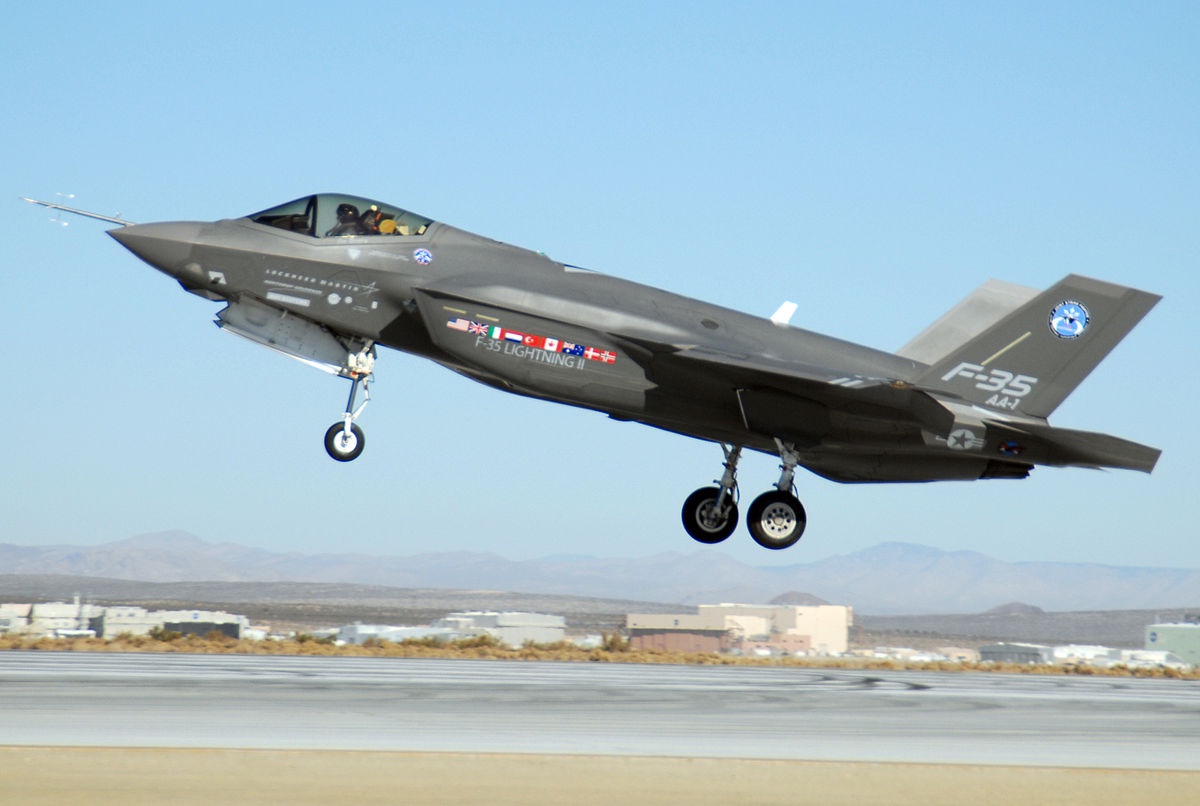
Germany Pursues More F-35s Amid FCAS Program Stalemate
Germany is reportedly seeking additional F-35A Lightning II fighters as its Future Combat Air System (FCAS) initiative falters. This shift reflects wider geopolitical concerns and underscores reliance on U.S. military technology amidst stalled European defense projects.
Germany is actively exploring the procurement of additional F-35A Lightning II stealth fighters from the United States, as developments regarding its Future Combat Air System (FCAS) program have hit significant roadblocks. The decision follows an initial $10.89 billion deal announced shortly after the onset of the Ukraine conflict, wherein Germany committed to acquiring 35 units of the advanced U.S. jets, highlighting a growing dependency on American military hardware amidst waning European defense initiatives.
The implications of Germany's pivot to securing more F-35s are profound within the broader context of European defense strategy and NATO's deterrence posture against potential threats, notably from Russia. The stagnation of the FCAS program, which was intended to develop a next-generation fighter jet in partnership with France and Spain, raises critical questions about Europe's capability to develop autonomous defense systems and fulfill its strategic autonomy aspirations.
Key players in this scenario include Germany, which is seeking to bolster its air combat capabilities, and the United States, a major supplier of advanced military technology. France and Spain, partners in the FCAS initiative, are faced with the challenge of reassessing their strategic approaches and capabilities in light of Germany's apparent shift towards established American technologies. There is concern that delays in the FCAS could weaken collective European defense efforts at a time when a coherent response to Russian aggression is essential.
The global implications of this development are significant, highlighting a potential reorientation of European defense dynamics towards U.S. systems, which might reduce the impetus for a unified European defense industry. This could inadvertently lead to increased reliance on U.S. military assets and technology, further complicating transatlantic relations and diminishing Europe's strategic independence in defense matters. The strategic response from regional players will also be pivotal in shaping future defense architectures.
Historically, the struggles within the FCAS program echo similar past initiatives in Europe, such as the A400M airlifter, underscoring the complexities and challenges of collaborative defense projects. As European nations grapple with the implications of the Ukraine conflict, further fragmentation in defense efforts may ensue unless a robust and resilient European defense strategy can be consolidated.
In conclusion, the shift towards additional F-35 acquisitions signals a significant reassessment of Germany's defense posture and raises critical questions about the future of European defense cooperation. Going forward, the prioritization of U.S. military assets may lead to increased operational interoperability with NATO forces but could simultaneously erode the long-term vision for a self-sufficient European defense capability.