1966 Hong Kong Star Ferry Fare Riots Kill 1, 1,800 Arrested
The 1966 Hong Kong riots over Star Ferry fare hikes resulted in one death and 1,800 arrests, marking a significant escalation in civil unrest. The violent clashes involved attacks on vehicles and confrontations with police and troops, underlying tensions in the colony. These events highlight the potential for local economic grievances to spiral into serious security crises affecting regional stability.
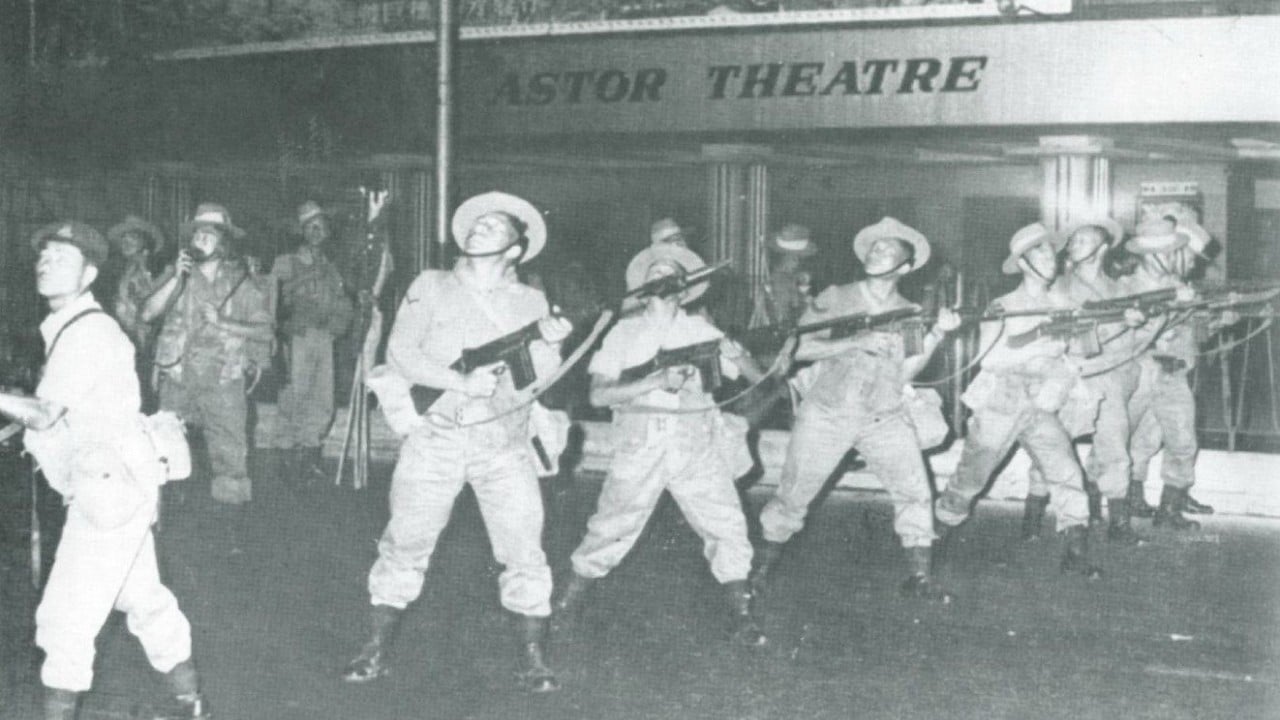
On April 8, 1966, violent riots broke out in Kowloon and New Kowloon following an increase in Star Ferry fares in Hong Kong. The unrest saw mobs stone buses and cars, set fire to vehicles and buildings, and battle police and military forces. Approximately 1,800 people were arrested during these clashes, and one fatality was reported amid the chaos.
These disturbances occurred after a tense but initially quiet day, escalating rapidly in the Mong Kok and Yau Ma Tei districts. The riots lasted for around seven hours, with curfew imposed to restore some order. Despite a temporary return to calm after the reimposition of the curfew, the events exposed deep societal and economic grievances within the colony.
Strategically, the riots exposed the vulnerabilities of colonial governance in managing urban civil unrest and controlling mass protests triggered by economic decisions. The rapid escalation from fare hikes to violent riots demonstrated how seemingly minor economic issues could destabilize local security and affect wider regional order, particularly in a Cold War context where colonial stability was critical.
Operationally, the deployment of both police and military forces to quell the riots was significant, reflecting the severity of the unrest. The use of curfews and mass arrests signaled a robust security response to urban disorder. Such tactics would inform future riot control and counterinsurgency practices in densely populated colonial territories facing similar pressures.
The aftermath of the 1966 Star Ferry riots had lasting implications for Hong Kong's security policies and public order management. The scale of arrests and the violent nature of the clash underscored the challenges colonial authorities faced in balancing economic measures with maintaining peace. It also highlighted the risk that localized transport disputes can trigger broader security crises in politically sensitive regions.