16 US Aircraft Downed, THAAD Disabled, USS Ford Ablaze: Iran Exposes US Flaws
Iran's low-cost missile and drone strikes have crippled key US and Israeli aerial assets, knocking out 16 aircraft including an F-35, disabling multiple THAAD radar units, and setting the USS Gerald R. Ford aflame. This showcases significant vulnerabilities in trillion-dollar American military platforms. The conflict signals a dangerous shift in modern air and naval warfare balance.
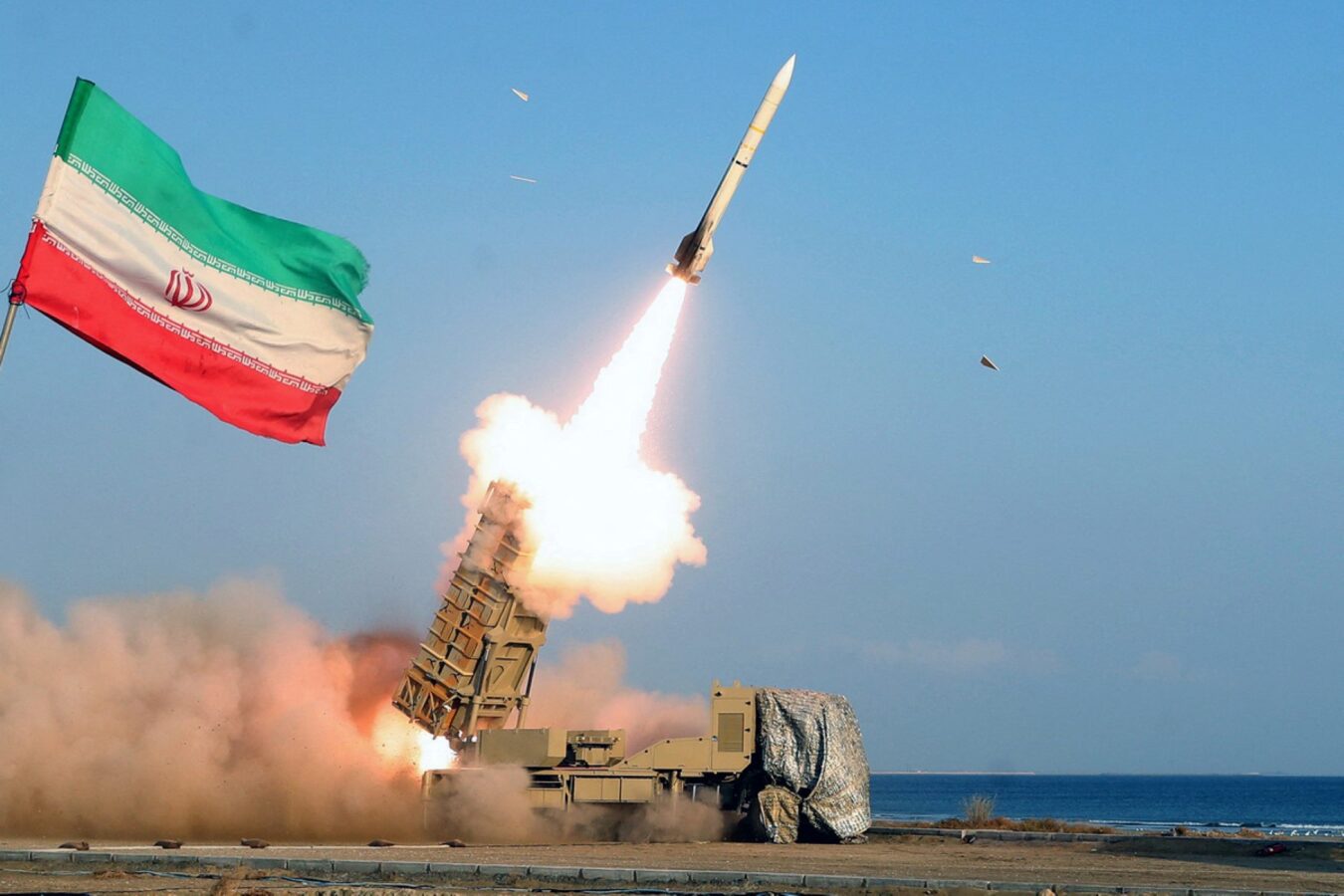
Iranian forces have downed at least 16 US aircraft, including the F-35 stealth fighter, and disabled up to four THAAD radar systems in recent strikes. The USS Gerald R. Ford, the US Navy’s most advanced aircraft carrier, suffered severe damage and caught fire, removing it from operational status. Additionally, Qatar’s AN/FPS-132 Block 5 Upgraded Early Warning Radar (UEWR) was also targeted and knocked out. These coordinated attacks highlight Iran's strategic use of low-cost, asymmetric missile and drone technology against high-cost US and allied military assets.
The conflict between Iran and US-led coalition forces has escalated dramatically over the past year, with airspace contested heavily over the Persian Gulf region. Iran has repeatedly demonstrated its capabilities to challenge US air superiority through precision missile strikes, unmanned aerial vehicle swarms, and electronic warfare disrupting radar systems. The loss of expensive platforms like the F-35 and THAAD highlights the risks involved in deploying cutting-edge technology in contested zones.
Strategically, these developments undercut American military dominance in the Middle East and signal a growing capability gap. Iran’s ability to inflict damage on the US Navy’s flagship carrier and interfere with the missile defense shield raises serious questions about the effectiveness of current defense postures. Regional powers and global military planners are forced to reconsider force deployments and invest more heavily in countermeasures against low-cost, high-impact asymmetric threats.
Technically, the F-35 aircraft lost in these attacks were among the newest stealth platforms equipped with advanced sensors and network warfare capabilities. THAAD radar systems, designed for ballistic missile defense, rely on sophisticated radar arrays that proved vulnerable to coordinated missile and drone assaults. The USS Gerald R. Ford suffered fires reportedly from missile or drone strikes to its flight deck and superstructure, impairing its ability to project power. Iran’s use of cruise missiles, improvised drones, and electronic jamming reflects a diversified and adaptive combat strategy targeting US military technological dependencies.
Looking ahead, the US and its allies face a stark challenge in securing air and naval superiority in contested regions like the Persian Gulf. Iran’s low-cost tactics are likely to inspire similar strategies among other regional actors and non-state groups, escalating the risk of asymmetric warfare. Unless significant adaptations are made in defensive technology and operational deployments, the vulnerability of valuable military assets will continue, potentially altering the balance of power in critical hotspots worldwide.