PLA Halts Air Sorties Near Taiwan; Crisis Brewing Before Xi-Trump Summit
The unprecedented six-day pause in PLA air operations signals potential shifts in regional tensions as leaders prepare for a high-stakes meeting. Analysts warn that this could be a prelude to recalibrated military postures in the Taiwan Strait.
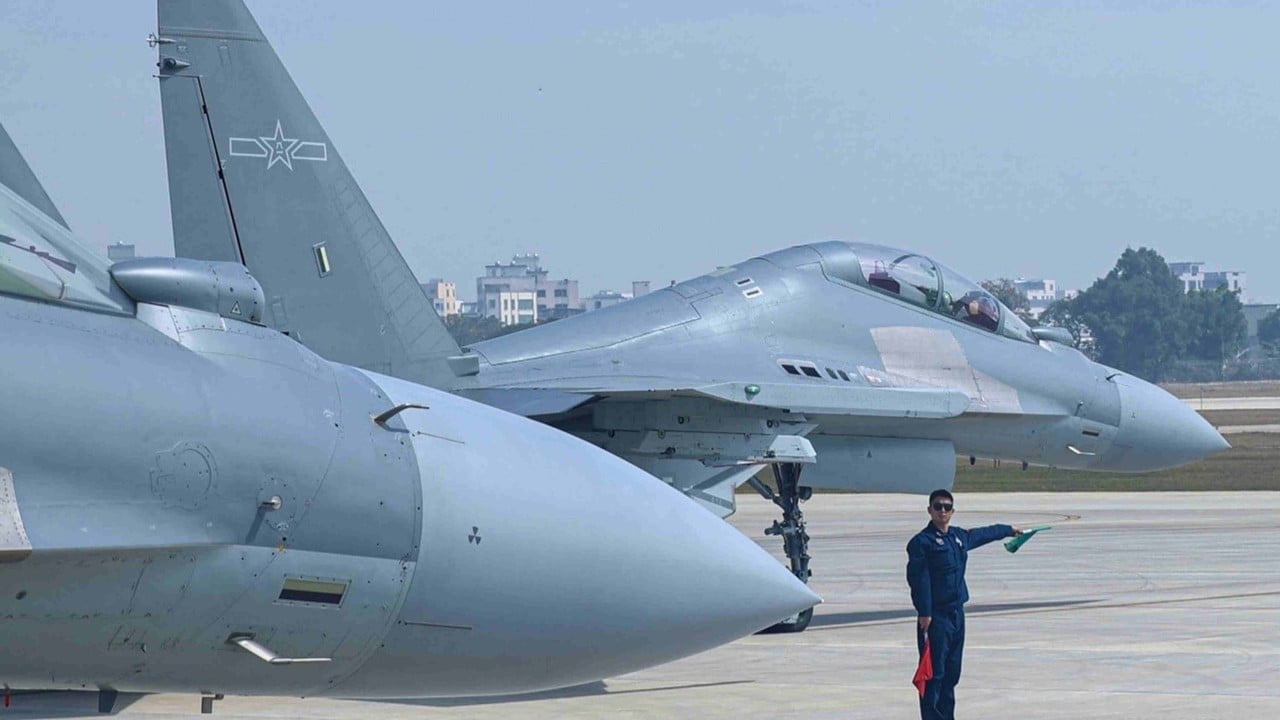
For the first time in three years, the People's Liberation Army (PLA) has suspended all air sorties near Taiwan for six consecutive days, raising alarm among defense analysts regarding Beijing's strategic intent. This hiatus, spanning from Friday to Wednesday, coincides with the upcoming summit between Xi Jinping and Donald Trump, igniting speculation that the pause may be a calculated move to delicately navigate pre-summit tensions and avoid provoking conflict with Taiwan during crucial diplomatic talks.
Historically, the Strait between Taiwan and mainland China has been a flashpoint for military confrontations, with the PLA increasing its air and naval presence in the area over the past several years. The last significant air activity in the region included frequent incursions by PLA aircraft that have systematically tested Taiwan’s defense capabilities. This latest unexpected break in operations interrupts a pattern of assertive military signaling aimed at both Taiwan and the United States, reflecting underlying tensions that have been escalating since Taiwan’s presidential elections in 2024.
The significance of this pause cannot be overstated; it exposes the precarious balance of power in the region and underscores the potential for rapid escalation. The PLA's sudden withdrawal from typical operational behavior raises questions about the ultimate objectives of China's military strategy in the Taiwan Strait. This calculated restraint could indicate Beijing’s recognition of the possible repercussions of military escalation in light of heightened U.S.–China tensions, particularly as both leaders meet.
Key actors on the ground—namely, Xi Jinping and military hardliners within the CCP—are driven by a mix of domestic and international agendas. Xi's desire to project strength while navigating a complex international landscape, including his strained relationship with Trump, amplifies the stakes of this summit. There is also an internal political dimension; maintaining stability ahead of important Communist Party meetings can shift focus from military aggression to diplomatic engagements.
While no PLA aircraft operated in the vicinity of Taiwan, naval activities continued, highlighting Beijing's ongoing readiness to project power. Observations suggest the presence of at least six naval vessels in adjacent waters, emphasizing that the absence of air operations should not be mistaken for a reduction in military capability or resolve. Analysts note that the pause may be tactical; the PLA may be regrouping forces for potential future operations while closely monitoring the outcomes of the summit.
The consequences of this pause could lead to increased volatility in the Taiwan Strait. Should diplomatic discussions falter, historical patterns indicate that military posturing could resume with greater intensity. The PLA might escalate operations post-summit, which could trigger heightened defensive measures from Taiwan and the U.S., creating a cycle of provocation that could spiral into open clashes.
Historical parallels abound, recalling tensions during the 1995–96 Taiwan Strait Crisis when military exercises escalated immediately following diplomatic engagements. The current situation highlights how leadership summits can sometimes precede significant military actions or shifts in defense policy, mirroring past crises that reshuffled power dynamics in East Asia.
As the Xi-Trump summit draws near, monitoring military movements in the Strait will be critical. Intelligence assessments will focus on any resumption of air operations or specific military readiness signals from the PLA, indicating whether this pause was a mere tactical maneuver or part of larger strategic recalibrations. The coming weeks will be crucial in determining how both powers navigate this tension-laden period, as the potential for conflict remains a tangible risk.