US Weapons Sales Policy Fails to Ensure Taiwan's Defense Against China
The new U.S. weapons sales strategy theoretically accelerates arms supplies to Taiwan, yet experts warn it does not significantly enhance U.S. commitment to defend Taiwan in a Chinese attack. This undermines regional stability and emboldens Chinese aggression.
The U.S. is advancing a weapons sales policy designed to expedite arms supplies to Taiwan, yet experts caution this initiative does little to improve the likelihood of U.S. intervention if China launches an armed conflict against the island. Despite theoretical frameworks to streamline arms transfers, reality suggests a persistent ambiguity in Washington’s defense commitments amidst rising tensions between China and Taiwan.
Historically, the U.S. has backed Taiwan with arms sales under the Taiwan Relations Act, stipulating that it will provide necessary weapons for self-defense. However, the strategy often falters in execution; delays in arms deliveries and restrictive bureaucratic processes have plagued past transactions. The geopolitical climate has dramatically changed in the wake of increased military assertiveness from Beijing, alongside Taiwan's growing vulnerability, leading to heightened demands for American support.
This situation carries implications for global security and the balance of power in the Indo-Pacific region. Failure to solidify U.S. commitments could embolden China to undertake aggressive military actions against Taiwan, with cascading effects on U.S. allies in the region. Moreover, the ambiguity surrounding U.S. intentions raises questions about deterrence credibility, which is critical to maintaining stability.
Key players in this scenario include the U.S. government and military, Taiwan’s administration, and the People's Republic of China (PRC). The U.S. seeks to maintain an influential foothold in the Indo-Pacific, while Taiwan looks to bolster its defenses against an increasingly hostile China. Conversely, Beijing views these arms sales as direct threats to its sovereignty and reacts with military posturing and escalatory rhetoric.
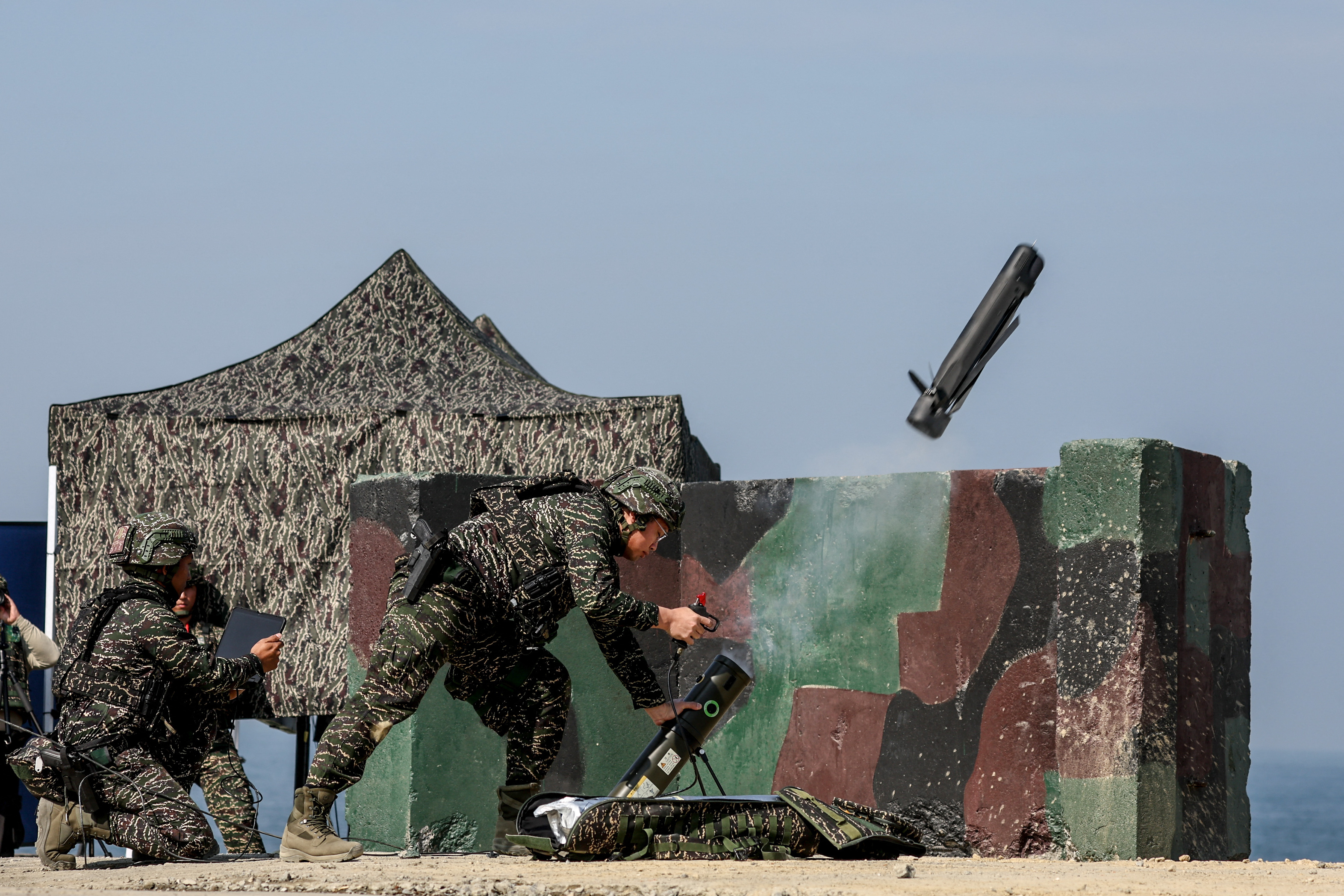
In terms of operational specifics, Taiwan has expressed a particular interest in acquiring advanced systems such as the AGM-88G Advanced Anti-Radiation Guided Missile (AARGM) and F-35 stealth fighters, which enhance its defenses against potential incursions. The procurement process and actual delivery timelines remain uncertain, increasing Taiwan’s risk exposure. Moreover, the budget allocated for these arms sales is often overshadowed by larger defense budgets elsewhere, leading to potential shortfalls in urgent military readiness.
The ongoing implications for Taiwan’s security posture are severe. Should China perceive the U.S. arms policy as insufficient, it may feel emboldened to exploit any perceived weakness in U.S. resolve, potentially leading to a military showdown in the Taiwan Strait. Furthermore, any delays in delivery or obstacles in procurement could be interpreted by Beijing as an opportunity for further territorial expansion.
Historically, this situation recalls the 1996 Taiwan Strait Crisis, during which military tensions peaked as the U.S. demonstrated its military capabilities in support of Taiwan. The current dynamic similarly showcases the inherent risks of miscalculations and the potential for military escalation, as both Beijing and Washington maneuver within an increasingly tense environment.
Moving forward, intelligence analysts will need to closely monitor Chinese military exercises and rhetoric regarding Taiwan. Watch for updates on new arms deliveries and strategic military partnerships in the region that may further signify shifts in power dynamics. U.S. policymakers must also navigate diplomatic relationships carefully to avoid inadvertent escalations, while reassessing the level of commitment to Taiwan's defense as tensions mount.