NATO Europe Redefines Arms Supply Chains, Ditches US Reliance
European NATO states are rapidly diversifying defense procurement, significantly reducing dependence on US arms amid shifting geopolitical landscapes. This trend highlights growing self-sufficiency and potential challenges for American military influence in Europe.
European NATO members have dramatically cut back on arms imports from the United States, redirecting their defense spending towards South Korea, France, and Israel. The shift comes in the face of heightened security threats in Eastern Europe and evolving global military dynamics. According to recent data from the Stockholm International Peace Research Institute (SIPRI), this pivot indicates a systemic change in NATO's procurement strategies, signaling a departure from traditional reliance on American military supplies.
Historically, NATO nations have relied heavily on American-made weapon systems, bolstered by decades of defense treaties and collaboration. However, increased tensions with Russia, especially following its aggression in Ukraine, have prompted European states to reassess their military readiness and supply chains. Countries such as Germany, Poland, and the Baltic states are now pursuing defense acquisitions that enhance their autonomous capabilities, reflecting a long-standing desire for strategic independence.
This realignment poses significant implications for transatlantic relations and the overall balance of power within NATO. As European countries channel billions of euros into procuring advanced weapons from local and allied manufacturers, the US stands to lose both market share and influence in European defense strategies. The diversification of defense sourcing could lead to a more fragmented military landscape in NATO, complicating joint operations and interoperability.
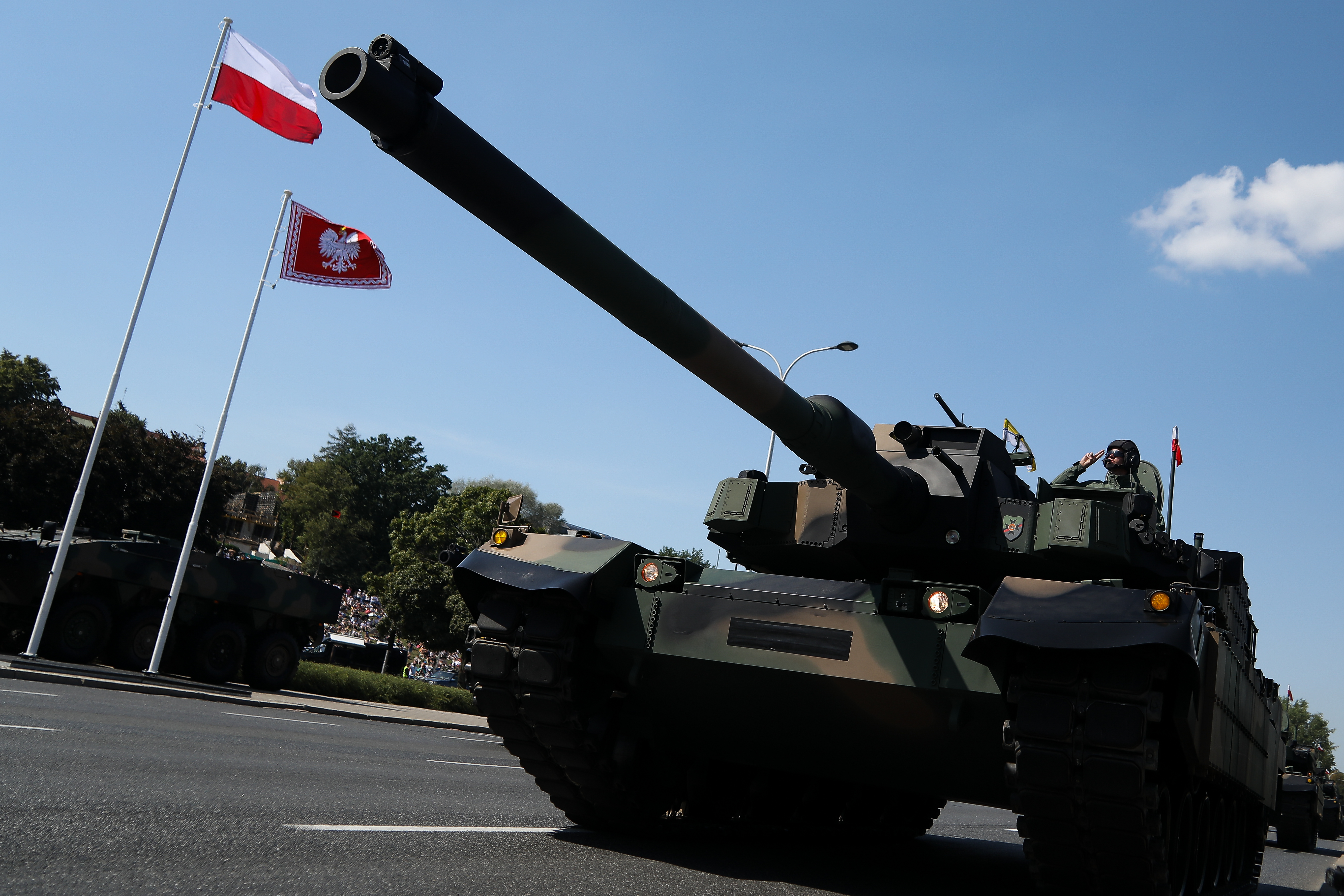
Key actors in this transition include South Korean defense manufacturers like Hanwha, which recently secured deals with Poland that include the K2 Black Panther tank and K9 howitzer, and France, which continues to gain contracts for its Rafale fighter jets and naval systems. Israel's defense industry is also seeing increased demand for its missile defense systems and surveillance technology. This shift is driven by a mix of strategic necessity and a desire for more tailored capabilities that align closely with European operational needs.
Operationally, European NATO countries are expected to invest heavily, with estimates suggesting over €70 billion will be allocated to defense procurements in the next five years. This includes systems that enhance air and missile defense capabilities through platforms like the European Sky Shield Initiative and the deployment of cutting-edge intelligence, surveillance, and reconnaissance (ISR) technologies.
The potential consequences of this reorientation include an accelerated arms race within Europe, as neighboring states scramble to upgrade their military capabilities in response to perceived threats. Increased competition for defense contracts may also lead to friction within the NATO alliance, undermining the cohesive military approach that has characterized the bloc since its inception.
Historical precedents can be drawn from the post-Cold War era when several nations sought to reduce their dependency on Soviet arms, subsequently leading to political tensions and military mismatches. The contemporary reconfiguration of defense procurement reflects a similar drive towards self-reliance, yet risks greater fragmentation among NATO allies, which could be detrimental to collective security.
Moving forward, defense analysts should closely monitor arms contracts across Europe, especially any further rise in purchases from emerging defense producers in South Korea and Israel. Indicators to watch include shifts in European military doctrine, the establishment of new defense initiatives, and the success of integrated operations among NATO forces as they adapt to a rapidly changing security environment.