US Strike on Iran Sparks Taiwan Air Defense Crisis and Energy Supply Fears
The US military’s aggressive act against Iran intensifies Taiwan's air defense urgency and exposes vulnerabilities in energy supplies. Beijing's pressure elevates the stakes for Taiwan’s security posture in a rapidly evolving geopolitical landscape.
The recent US military strike on Iran has dramatically escalated tensions in the region, triggering immediate concerns in Taiwan regarding its air defense capabilities. Taiwan’s government expressed surprise but acknowledged the need for urgent strategic calculations in light of increasing aggressions from Beijing and the implications of US military actions abroad. The strike serves as a stark reminder of the unpredictable nature of regional conflicts that could have cascading effects on Taiwan's security.
Historically, Taiwan has lived under the looming threat of military aggression from China, particularly as Beijing has ramped up its military exercises and advances in missile capabilities. The dynamic escalated following recent increased cross-strait military activity, with China flying warplanes near Taiwan and asserting its claims over the island. The US strike on Iran, viewed through the lens of American military dominance, unearths deeper vulnerabilities within Taiwan’s air defense infrastructure as the island grapples with the need for enhanced military preparation.
This development is significant not only because it highlights Taiwan's precarious security situation but also because it underscores the potential shifts in regional power dynamics. The perceived dominance of a US military strike contrasts sharply with Taiwan's own defense capabilities, possibly fostering a sense of urgency among Taiwan's military and political leaders to accelerate air defense enhancements. This urgency could expose weaknesses in Taiwan's existing framework, compelling a reevaluation of military alliances and reliance on US support.
Key actors in this scenario include the US, Iran, and China, each with contrasting motivations. The US seeks to deter Iranian aggression while demonstrating military capability, which inadvertently raises Taiwan's stakes. Iran, on the other hand, is likely to perceive the US action as a provocation that justifies a robust retaliatory posture, while China's motivations revolve around exploiting the situation to intimidate Taiwan further, reflecting its long-standing goal to unify the island under its rule.
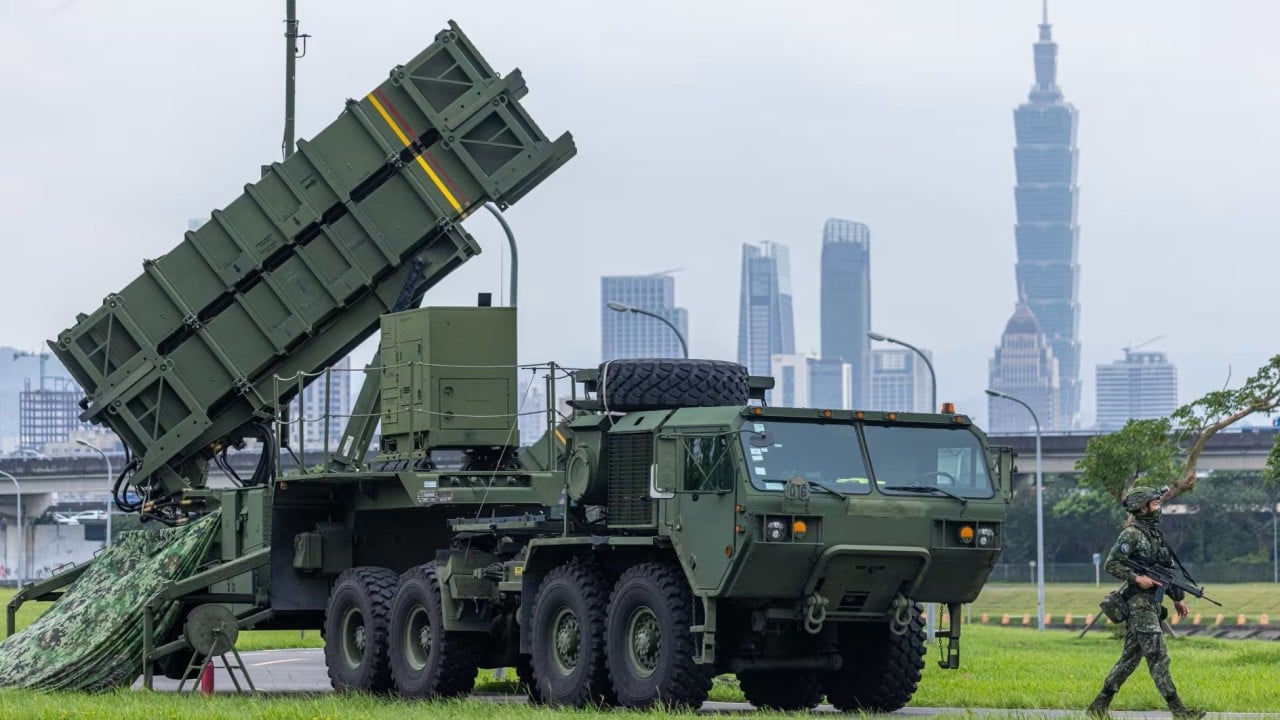
In terms of operational details, Taiwan is currently working on developing a more layered and integrated air defense system, which includes advanced missile systems and early warning radar networks. Recent financial commitments indicate that Taiwan plans to invest significantly in procuring Israeli-made Iron Dome systems and upgrading existing capabilities to counter potential aerial threats. Military analysts suggest that a more sophisticated defense architecture could cost in the range of several billion USD and take years to fully implement.
The likely consequences of the US strike could lead to heightened military posturing from Beijing, including increased naval operations in the Taiwan Strait and further air incursions, presuming that Taiwan remains vulnerable. Such actions would serve to test Taiwan’s resolve and military readiness while also compelling the US to further commit its resources to the Taiwan defense architecture to deter Chinese aggression. Diplomatic channels may be pushed to the limit as Taiwan navigates these tumultuous waters.
Historically, precedents can be drawn from the Gulf War, where US military actions significantly altered regional dynamics and led to increased security concerns for nearby nations. Taiwan’s past responses to regional crises have often led to shifts in defense policies, indicating that the current state of affairs may compel a similar reassessment. The Indo-Pacific region remains at a crossroads, and Taiwan faces the tough choice of fortifying its security or risking increased reliance on external powers with uncertain commitments.
Looking forward, Taiwan must closely monitor both US-Iranian tensions and any responses from Beijing. Intelligence indicators to watch include troop movements on the Chinese mainland, enhanced air patrols in the Taiwan Strait, and any formal statements from military leadership in Beijing. Taiwan's strategic planning must anticipate heightened pressures and possible military confrontations, making it imperative for Taiwan to bolster its defenses or reconsider its diplomatic posture in the face of potential conflicts ahead.