Japanese Governors Reject Nuclear Waste Disposal, Escalating Crisis Post-Fukushima
Japan's governors refuse to accept Fukushima nuclear waste, complicating disposal plans. The rejection highlights fears of radiological safety and threatens national reconstruction efforts.
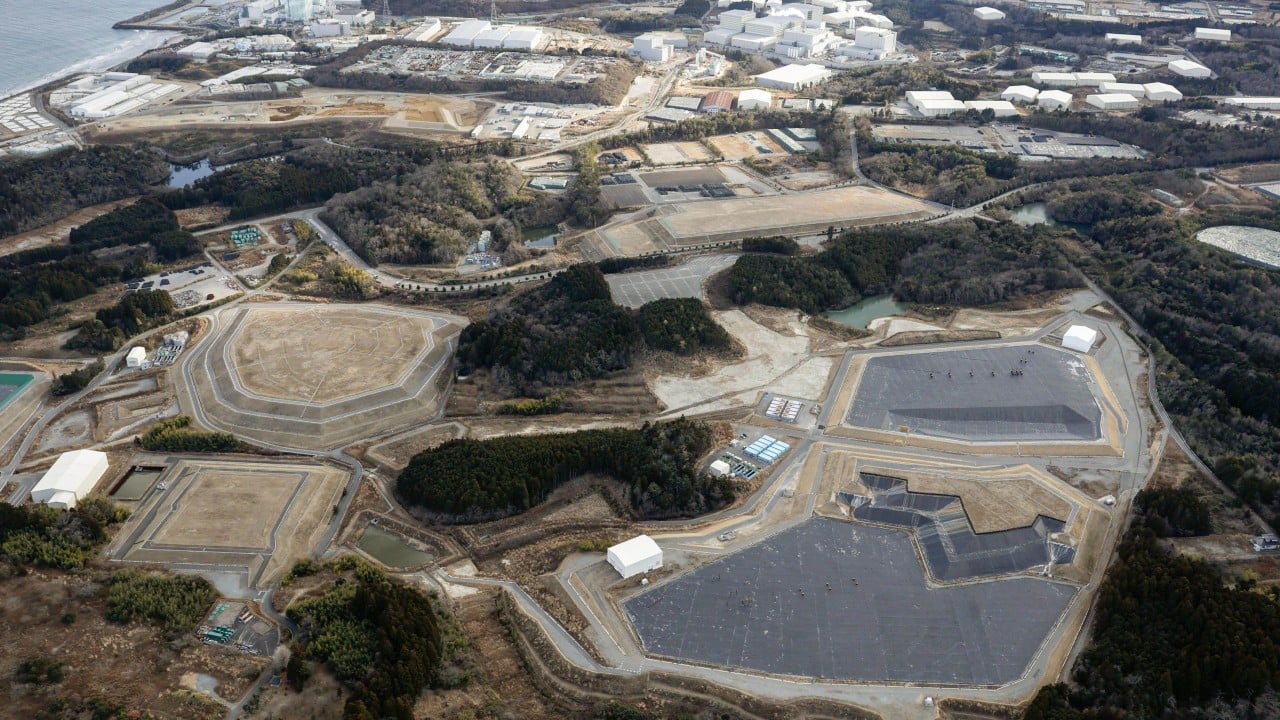
In a significant escalation of the post-Fukushima crisis, none of Japan's prefectural governors are willing to accept the disposal of 14 million cubic meters of soil tainted by radiation from the 2011 nuclear disaster. This rejection comes as a result of a Kyodo News survey and raises critical concerns regarding safety protocols and government transparency. The inability to secure acceptance for the radioactive waste exacerbates an already dire waste management situation and casts doubt on the nation’s long-term recovery strategy from the nuclear catastrophe.
The Fukushima disaster, which followed a catastrophic earthquake and tsunami in March 2011, led to catastrophic meltdowns at the Fukushima Daiichi Nuclear Power Plant. Following the disaster, massive decontamination efforts were undertaken, resulting in the collection of vast quantities of radioactive soil and debris, now estimated at over 14 million cubic meters. The government's failure to engage effectively with local leaders to ensure proper waste disposal has resulted in a standoff, reflecting a concerning gap in trust between the central government and local authorities.
The rejection of this nuclear waste by the governors signifies a breakdown in Japan's disaster recovery framework, exposing vulnerabilities in national disaster preparedness and local governance. The political ramifications are severe; Japan's perception of safety regarding nuclear energy has dwindled, and this latest rejection restricts the government's operational scope in its reconstruction efforts. Furthermore, this impasse threatens to stall economic stimulus associated with reconstruction, jeopardizing jobs and investment in the region.
Key actors in this crisis include Prime Minister Fumio Kishida's administration, struggling to maintain authority after the public's deep-seated fears of radiation contamination. Local governors, reflecting the concerns of their constituents, demand an actionable safety guarantee and greater support from the national government before any waste can be interred. Their rejection highlights a symbolic challenge to Tokyo’s nuclear policies and underscores regional dynamics that push back against centralized decision-making.
From a technical standpoint, the volume of contaminated material poses significant challenges. Over 500 million cubic feet of waste must be stored or disposed of safely, requiring significant investment and infrastructure. Current government plans have not provided sufficient specifics on disposal locations, safety measures, or financial support, leading to an atmosphere of uncertainty impacting local economies and public health considerations. Without a concrete plan, the specter of waste disposal looms over recovery efforts.
The consequences of this rejection could be far-reaching, with potential escalation paths including stiffer local resistance to government energy policies and increased public protests against nuclear energy. The strained relationship between the central government and local authorities could lead to further political infighting, undermining efforts to develop a coherent strategy for waste management and public safety.
Historically, Japan has faced similar crises when local populations rose against government mandates following the Hiroshima and Nagasaki disasters, and the memory of these events now resurfaces amid fears surrounding Fukushima. The current impasse reflects broader societal caution towards nuclear energy, echoing the sentiments of past generations that grappled with the consequences of nuclear fallout.
Moving forward, defense analysts should monitor the central government's response and its ability to pivot towards more collaborative regional governance. Key indicators to watch include public sentiment polling in affected areas, the emergence of new waste management policies, and the potential establishment of alternative disposal techniques that could earn local acceptance. The lack of movement in this situation suggests a prolonged crisis trajectory unless significant changes in communication or strategy are initiated from Tokyo.