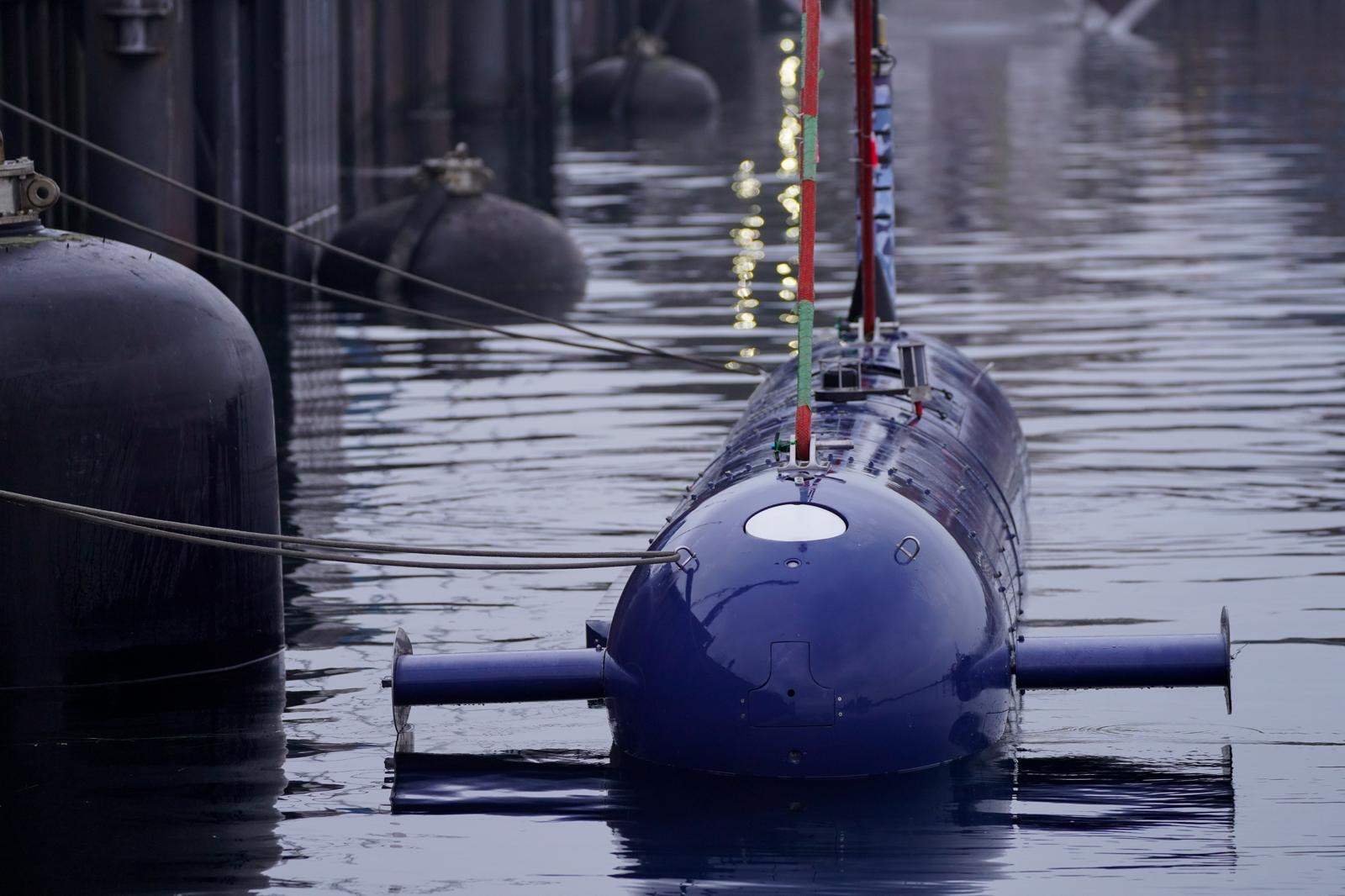
Israel Supplies First Autonomous Submarine, Increasing German Naval Capabilities
Israel's delivery of autonomous submarines to Germany enhances Germany's naval warfare capabilities amid rising security threats in Europe. This development signals a shift towards increased reliance on unmanned systems in modern military doctrines.
Israel has delivered its first autonomous submarine to Germany as part of an ambitious initiative to integrate advanced unmanned systems into the German Navy. This submarine, renowned for its stealth capabilities, adds a critical edge to Germany's maritime operations. This transfer marks a significant venture in naval collaboration, positioning Israel as a key player in the European defense technology market.
The move to incorporate unmanned underwater vehicles (UUVs) into naval fleets reflects both nations' responses to escalating geopolitical tensions in the region. In recent years, the proliferation of advanced submarine technology has heightened military readiness across Europe, forcing nations like Germany to reevaluate traditional naval strategies. The growing threat from Russia in the Baltic Sea and the resurgence of submarine warfare have underscored the necessity for modern maritime assets, including unmanned systems that can perform a range of missions while reducing risk to crew.
This development is strategically significant as it reshapes naval power dynamics within Europe and enhances Germany's deterrent capabilities. The introduction of Israeli autonomous submarines signifies a pivotal shift toward modernized warfare that embraces cutting-edge technology. The ability to gather intelligence, conduct reconnaissance, and execute stealth operations without human crews provides a tactical advantage in an increasingly contested maritime environment.
Key actors in this defense procurement include German and Israeli defense firms, driven by national security needs and bilateral defense cooperation. Germany's aim to overhaul its naval capabilities to respond effectively to evolving threats aligns closely with Israel's technological expertise in drone and maritime systems. The push towards autonomous warfare coincides with both nations seeking to maintain technological superiority in a multi-polar security landscape, where adversarial nations are rapidly advancing their naval capabilities.
Operationally, the submarine provided by Israel is likely equipped with advanced sensors and surveillance technologies that enable it to operate in contested waters. Details on the exact specifications remain classified, but reports indicate it features a range of unmanned technologies capable of executing missions previously undertaken by traditional manned submarines. This emphasizes a larger trend of investments in unmanned military technologies that are transforming naval warfare strategies.
The consequences of this development could lead to an arms race in unmanned naval systems throughout Europe, compelling neighboring countries to enhance their own maritime capabilities. Increased collaboration between Israel and Germany may provoke reactions from rival powers, particularly Russia, which has already expressed concerns over NATO expansion and advanced military partnerships in the region. Furthermore, as European nations invest in these technologies, military budgets may shift to prioritize autonomous capabilities, setting a precedent for future defense acquisitions.
Historical parallels can be drawn from past naval advancements during the Cold War, where technological races in military capabilities often led to heightened tensions and arms buildups. The introduction of new platforms such as autonomous submarines could evoke similar responses from nations feeling threatened by a perceived imbalance in naval prowess. Moreover, historical ties and military collaborations illustrate how defense advancements can influence geostrategic calculations among regional powers.
Going forward, analysts should monitor Germany's continued investment in unmanned naval technologies and Israel's role as a key supplier. Key indicators to watch will include announcements of joint military exercises, integration of these submarines into operational fleets, and further collaborations on unmanned systems. As the landscape evolves, the impact of these developments will become paramount in determining the security posture of European naval forces and their strategic approaches to emerging threats.