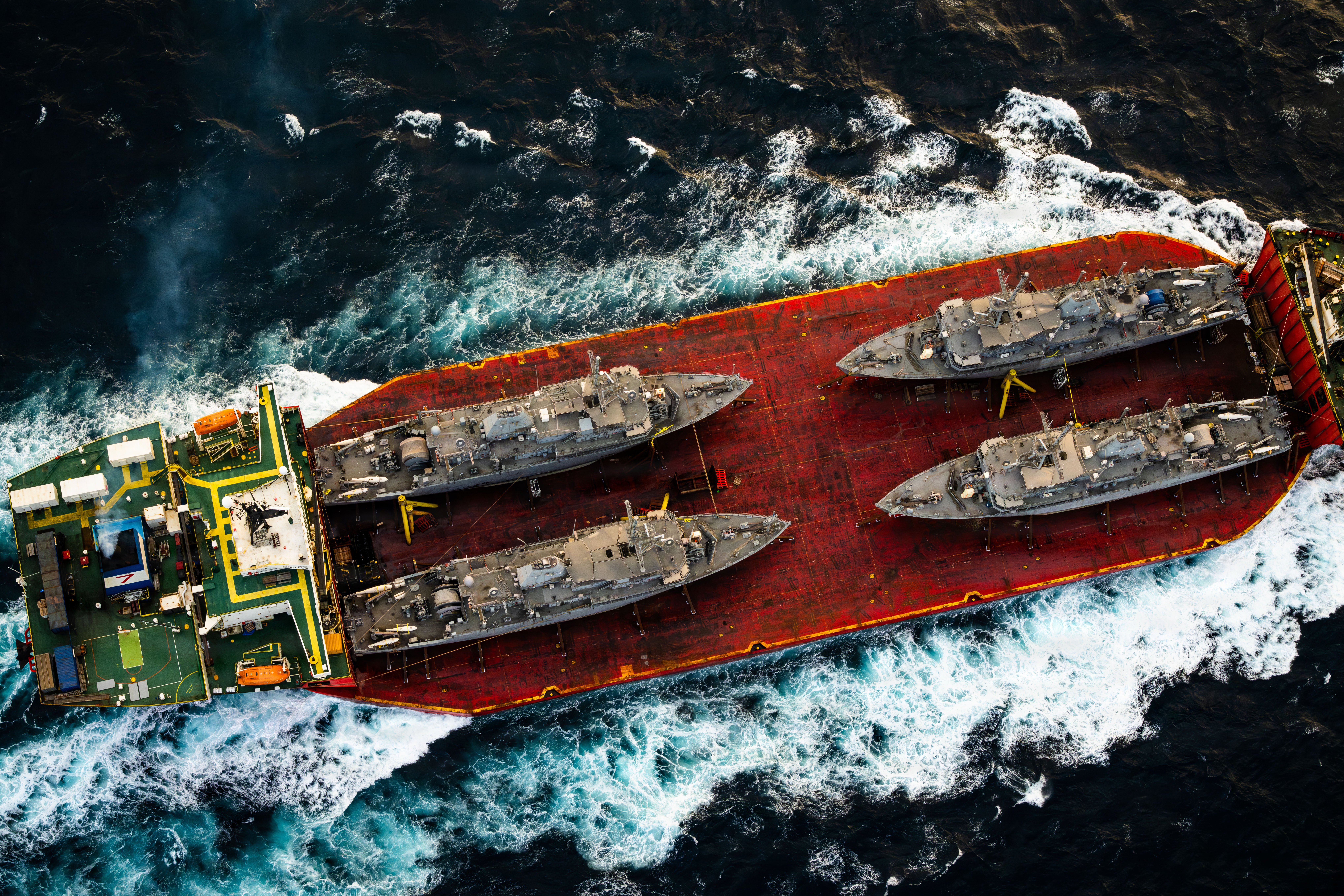
US Navy Decommissions Four Critical Minesweepers in Bahrain, Weakens Naval Presence
The decommissioning of four Avenger-class minesweepers drastically reduces US naval capabilities in the strategically vital Middle East region. This move raises concerns about maritime security and mine-laying threats amidst ongoing regional tensions.
The US Navy has decommissioned four Avenger-class minesweepers stationed in Bahrain, effectively stripping critical mine countermeasure capabilities from its operational posture in the Middle East. This decision, finalized in 2025, marks the end of over 30 years of service for these vessels, raising alarms about the decreased readiness for potential maritime threats in one of the world’s most contested regions.
The Avenger-class ships were integral to US naval operations since the end of the Cold War, primarily tasked with countermining efforts in the Persian Gulf and surrounding waterways. Their presence was a stabilizing factor against threats posed by hostile state actors who continue to lay naval mines amid regional conflicts. The Gulf has long served as a critical maritime route for the global oil supply, necessitating robust US naval oversight to counteract Iran’s expansive naval capabilities and its ongoing threats in the area.
This decommissioning significantly impacts the US Navy's operational readiness, especially as adversarial activities in the Gulf intensify. With ongoing tensions between the US and Iran, which has repeatedly threatened shipping routes and U.S. assets, the loss of these vessels could embolden Tehran and its proxies to engage in disruptive actions at sea. This strategic vulnerability potentially jeopardizes vital energy supplies and maritime commerce.
Key actors like Iran have already exhibited aggressive naval tactics, including the use of mines and fast attack crafts. The US’s diminished mine countermeasure presence could lead Iran to perceive a gap in US deterrence capabilities, increasing the likelihood of confrontations in the Gulf. Furthermore, regional allies may interpret this reduction as a retrenchment in US commitment to their defense, perhaps spurring them to reconsider their own military strategies.
Operationally, the Avenger-class ships were equipped with advanced sonar systems and various countermeasures designed for detecting and neutralizing underwater mines. The US Navy's budgetary allocation for mine warfare could come under further scrutiny as these vessels are retired, potentially impacting future defensive capabilities. The US Navy will need to rely on other maritime assets, which may not be as specialized or effective in mine countermeasure tasks.
The potential for increased maritime clashes looms larger now, especially with the United States simultaneously dealing with challenges from Russia and China. As naval power projections become critical, Iran’s expanding maritime capabilities could challenge US influence directly, leading to possible confrontational scenarios in the contested waters of the Gulf.
Historically, maritime decommissionings have led to escalating tensions in similarly volatile regions. The end of the US's advanced mine countermeasure capabilities could mirror the withdrawal of other naval assets that preceded significant conflicts, emphasizing that once US capabilities diminish, adversaries are quick to exploit the resulting power vacuum.
Looking forward, intelligence analysts must closely monitor Iranian naval activities and the movements of allied navies in the Gulf. Developments regarding new mine-laying operations, maritime conflicts, or increased cooperation between Iranian proxies and regional naval forces will indicate the evolving security landscape. The US Navy’s strategic posture in the region will need urgent reevaluation as these dynamics unfold.