Thailand Warns Citizens in Israel as Iran Strikes Gulf Targets
Thailand's government escalates warnings to 110,000 nationals in the Middle East amid intensified Iran-Israel conflict, raising concerns over safety and potential casualties.
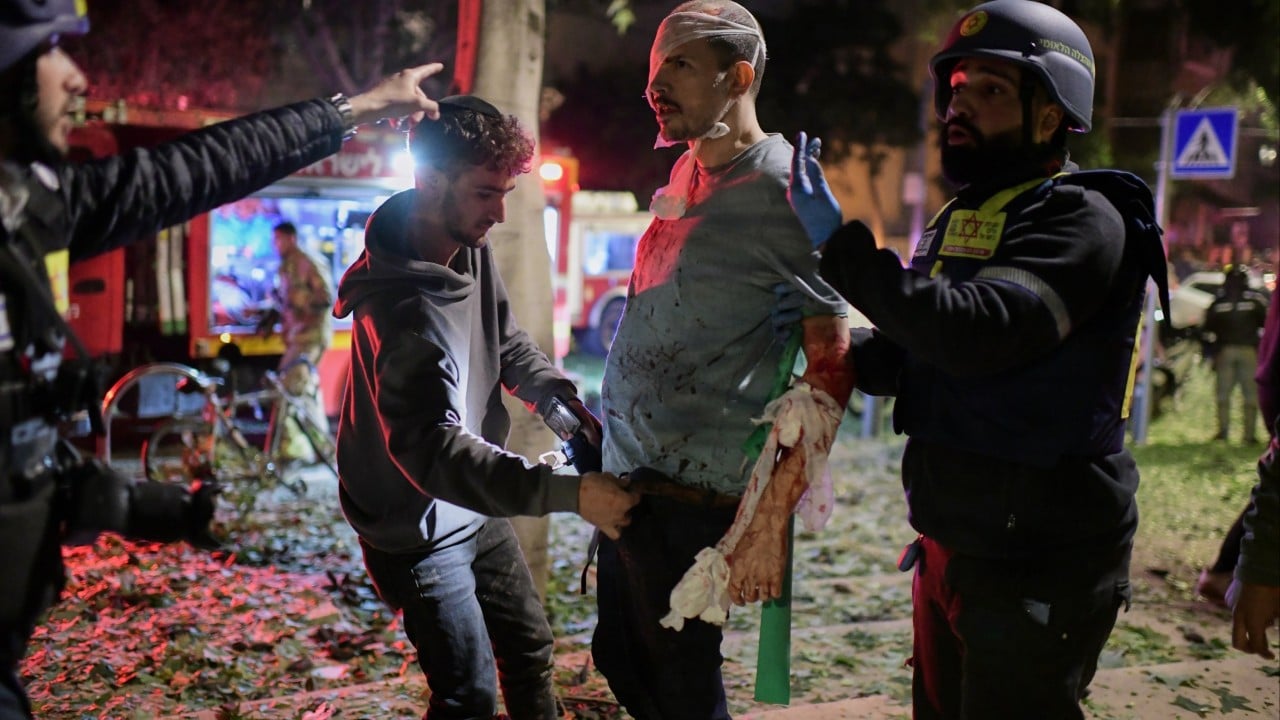
Thailand's government has issued urgent alerts for its approximately 110,000 citizens working in the Middle East, primarily in Israel, as the situation deteriorates due to Iran's military strikes on regional targets. This warning follows the recent deaths of numerous Thai nationals amid the ongoing US-Israel conflict, which has heightened fears for the safety of migrant workers caught in the crossfire. The Thai Foreign Ministry's advisory emphasizes the precariousness of the current environment as hostilities escalate, particularly in Gaza and surrounding territories.
Thailand has long maintained a significant population of workers in Israel, with around 60,000 Thai nationals engaged in labor across fields, factories, and shops. Economic motivations drive this migration, spurred by the promise of higher wages, often supplemented by what is termed 'danger money.' This demographic includes both skilled and unskilled laborers seeking better livelihoods; however, the ever-present risks in volatile regions cannot be underplayed.
The strategic significance of this unfolding crisis is manifold. With Iran's willingness to strike across the Gulf, regional stability is jeopardized, and the safety of foreign nationals caught in the conflict becomes a pressing concern. The Thai workers are not only vulnerable but also symbolizing a broader issue of how engaged states manage citizen safety abroad amid geopolitical disputes. Thailand's response will be closely scrutinized, as it may necessitate military or diplomatic adjustments to ensure the security of its nationals, reflecting the tumultuous impact of the Iran-Israel tensions.
Key actors in this crisis include Iran, which has ramped up military operations and threats against Israeli interests as part of its broader ideological conflict with the West, and Israel itself, which is on high alert for further Iranian provocations. Thailand, while distant from these power struggles, is now forced into a precarious position, balancing its economic interests in these regions with the looming threat to its citizens. The motivations of these stakeholders are clear—Iran seeks to display military might; Israel aims to preserve its security; Thailand must protect its workforce while maintaining economic ties.
On a technical level, the conflict boasts significant military capabilities on both sides. Iran's military engagement includes missile strikes and drone operations across Gulf states, raising the potential for regional escalation. Israel's advanced defense mechanisms, including the Iron Dome and increasing ground forces in response to threats, underscore a complex military landscape. Thailand’s workforces in Israel represent a considerable economic stake, warranting caution in how the Thai government manages this precarious situation and its fallout.
The repercussions of this situation could lead to an increased exodus of Thai workers from the region, driving home the severity of the crisis. If Iranian strikes continue and Israel intensifies its military response, casualties among foreign workers could mount, further destabilizing the labor market and creating diplomatic rifts. Additionally, rising tensions may compel Thai authorities to consider evacuating their nationals, precipitating a large-scale withdrawal akin to those seen during past regional conflicts.
Historical parallels can be drawn from previous Middle Eastern crises where foreign nationals had to be extracted under duress, such as during the Gulf War or the civil unrest in Libya. These precedents illustrate the vulnerabilities faced by expatriates and call into question the measures states have in place to respond to such threats. As evidence mounts regarding the dangers in Israel and nearby regions, it is clear that the stakes are rising for Thai nationals.
Moving forward, monitoring Iranian military activities and Israel's responses will be crucial for understanding the evolving situation. Intelligence indicators such as troop movements, missile strikes, and Thai government advisories will signal whether this crisis worsens or stabilizes. The sustained safety of Thai workers remains a priority, underscoring a need for a robust crisis management plan from the Thai government and an assessment of regional security dynamics. The emergence of violence and targeted strikes could result in further casualties, compelling national authorities to escalate their evacuation protocols or reassess international labor agreements altogether.