Iran Claims Destruction of THAAD System; UAE's Defenses Crippled?
Iran's Islamic Revolutionary Guard Corps claims to have destroyed a THAAD battery, significantly undermining the UAE's ballistic missile defenses. This escalation poses direct risks to regional security and power dynamics in the Gulf.
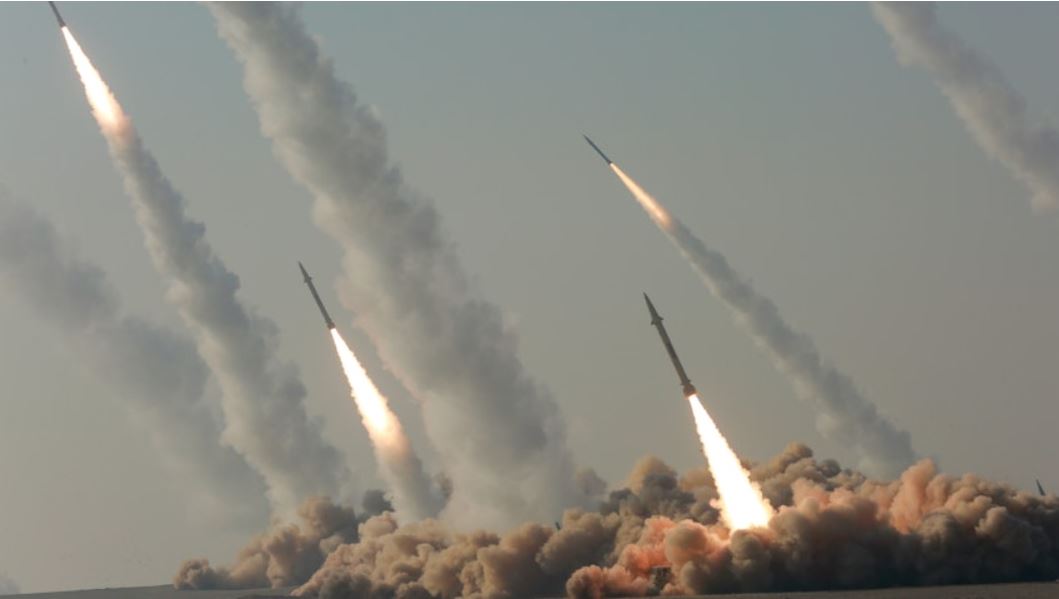
Iran's Islamic Revolutionary Guard Corps (IRGC) announced the alleged destruction of a second Terminal High Altitude Area Defense (THAAD) battery, heightening strategic vulnerabilities for the UAE. The IRGC asserts that precision-guided missiles successfully targeted and eliminated this advanced air defense system, critical for intercepting ballistic threats. If verified, this would represent a significant military escalation in the region, threatening the already tenuous security situation for Gulf states.
The backdrop to this claim is a fraught geopolitical landscape where Iran and its proxies have long sought to counterbalance U.S. and allied military capabilities in the Middle East. The THAAD system, built by Lockheed Martin, is one of the most advanced missile defense systems in the world, ostensibly safeguarding the UAE against Iranian missile threats, including those from the Houthis in Yemen. Iran's consistent rhetoric regarding the neutralization of such technologies underscores their determination to shift the military balance in their favor.
This development is alarming as it not only compromises the UAE's defensive posture but also emboldens Iranian military aspirations. If Iran has indeed demonstrated the capability to defeat advanced missile defense systems, it raises questions about the effectiveness of U.S. arms exports to regional allies. The potential for increased Iranian aggression, unimpeded by effective countermeasures, could lead to more aggressive missile launches against regional adversaries.
The key players in this crisis are Iran and the UAE, alongside their respective allies, including the United States and Saudi Arabia. Iran seeks to assert itself as a dominant military force in the region, while the UAE must contend with an increasingly emboldened adversary. The Iranian narrative focuses on leveraging these successes as proof of their deterrent capabilities, while the UAE’s focus will likely shift towards capable immediate responses and potential escalation in regional arms acquisitions.
Operationally, the THAAD system, designed for high-altitude interception of incoming missiles, has cost about $3 billion per battery, signifying a substantial investment by the UAE for national defense. If the claimed destruction is accurate, it would not only expose the limitations of the THAAD system but might lead to urgent reconsideration of current defense strategies. The potential increase in Iranian missile capabilities could encourage arms races in the region as states scramble to fortify their defenses.
This incident could lead to dire consequences for regional stability, with both sides potentially escalating military posturing. Iran's claim, if substantiated, could precipitate an urgent reassessment of defense strategies among Gulf allies, compelling them to seek more powerful or alternative defense systems. Furthermore, it could catalyze retaliatory strikes against Iranian assets, increasing the likelihood of wider conflict.
This situation mirrors historical precedents, such as the 2010 revelation of Iran’s advanced missile technologies, which triggered a regional arms race and heightened tensions. Similar dynamics played out following the U.S.'s withdrawal from the Iran nuclear deal in 2018, leading to increased provocations and military posturing in the Gulf.
Moving forward, observers should track developments around Iran's missile capabilities and any subsequent militarization efforts by Gulf states, especially concerning new defense agreements or procurement of advanced weaponry. Intelligence assessments regarding the operational readiness and deployment of such missile systems will be critical, as will any changes in U.S. military support or posture in the region following this incident.